What to eat on a GLP-1 medicine: protein targets from the 2025 joint advisory, whole-food meals, managing nausea and constipation, hydration, nutrients to watch and alcohol.
Fact-checked against FDA labels and official sources; not yet reviewed by a licensed clinician. This page is education, not medical advice. Talk to your doctor before starting, stopping or changing any treatment.
Key takeaways
- GLP-1 medicines lower calorie intake by 16% to 39%, so food quality and protein matter more.[1]
- The joint advisory proposes 1.2 to 1.6 g of protein per kg a day during weight loss, or about 80 to 120 g a day.[1]
- Smaller, more frequent meals, avoiding fatty foods and stopping when full can ease nausea; hydration helps prevent kidney injury.[1]
- Below about 1,200 kcal a day for women or 1,800 for men, shortfalls of nutrients such as vitamin D, calcium and B12 become more likely.[1]
- On Wegovy 2.4 mg, nausea affected 44% vs 16% on placebo, mostly during dose increases.[2]
In short: On a GLP-1 medicine such as Wegovy, Zepbound or Ozempic, most people eat a lot less, often 16% to 39% fewer calories, so every bite needs to count. A 2025 joint advisory from four obesity and nutrition societies puts protein first (about 1.2 to 1.6 grams per kilogram of body weight a day during weight loss, or roughly 80 to 120 grams), favors minimally processed whole foods, and suggests small, frequent meals, avoiding fatty foods and staying well hydrated to ease nausea. Strength training protects muscle. A registered dietitian can turn this into a plan that fits your medicine, health conditions and food preferences.
This page is general nutrition information for people taking, or about to start, a GLP-1 medicine. It is not a meal plan for you. If you have kidney disease, diabetes treated with insulin or a sulfonylurea, a history of eating disorders, or are pregnant or breastfeeding, talk with your clinician or a registered dietitian before changing how you eat.
Eating on a GLP-1: the numbers to know
- 16-39%lower calorie intake reported with GLP-1 medicinesJoint advisory, Obesity Pillars 2025
- 80-120 gprotein a day, or 1.2-1.6 g per kg, proposed during active weight lossJoint advisory, Obesity Pillars 2025
- Under 1,200 / 1,800calories a day for women / men: the level below which nutrient shortfalls become more likelyJoint advisory, Obesity Pillars 2025
- 28 gDaily Value for dietary fiber on U.S. food labelsU.S. Food and Drug Administration
Checked on October 6, 2026
Why food matters more on a GLP-1, not less
GLP-1 medicines reduce appetite and help you feel full sooner, as our GLP-1 medications guide explains. The joint advisory from the American College of Lifestyle Medicine, the American Society for Nutrition, the Obesity Medicine Association and The Obesity Society notes that these medicines lower body weight by 5% to 18% in trials and reduce calorie intake by 16% to 39%. Eating that much less makes it harder to get enough protein, vitamins and minerals. The advisory lists the challenges plainly: digestive side effects, nutrient shortfalls from eating less, loss of muscle and bone, low long-term adherence with weight regain, and high cost.
The labels for these medicines all say they are used together with a reduced-calorie diet and increased physical activity. So the diet is not optional extra credit; it is part of the treatment.
Protein first
When weight comes off quickly, some of it is lean mass, including muscle. Muscle keeps you strong and mobile and supports long-term health. Our muscle loss on GLP-1s page covers the research. The joint advisory proposes these protein ranges:
| Item | Low | High |
|---|---|---|
| During strength training | 1.2 g per kg of body weight per day | 1.7 g per kg of body weight per day |
| During active weight reduction | 1.2 g per kg of body weight per day | 1.6 g per kg of body weight per day |
| Minimum to avoid muscle loss | 0.4 g per kg of body weight per day | 0.5 g per kg of body weight per day |
Alternatively 80 to 120 grams a day. People with kidney disease may need different limits: ask your care team.
Source: Mozaffarian D et al., joint advisory (ACLM, ASN, OMA, TOS), Obesity Pillars 2025 (checked on October 6, 2026)
For a person who weighs 90 kg (about 200 pounds), 1.2 to 1.6 g/kg works out to roughly 108 to 144 grams a day by the per-kilogram method; the advisory also offers the simpler 80 to 120 grams a day. That can feel like a lot when you are not hungry, so practical tips help:
- Eat the protein part of the plate first, before you feel full.
- Spread it out across meals and snacks rather than one big serving.
- Choose lean and plant proteins the advisory favors: fish, poultry, eggs, low-fat dairy, legumes, tofu, nuts and seeds, over red and processed meats.
- Use liquids when solids are hard. A milk-based smoothie or a protein shake can help on low-appetite days; see protein shakes and our high-protein smoothie.
The protein calculator gives a daily range to discuss with your care team, and the high-protein diet guide lists food options.
Build meals around whole foods
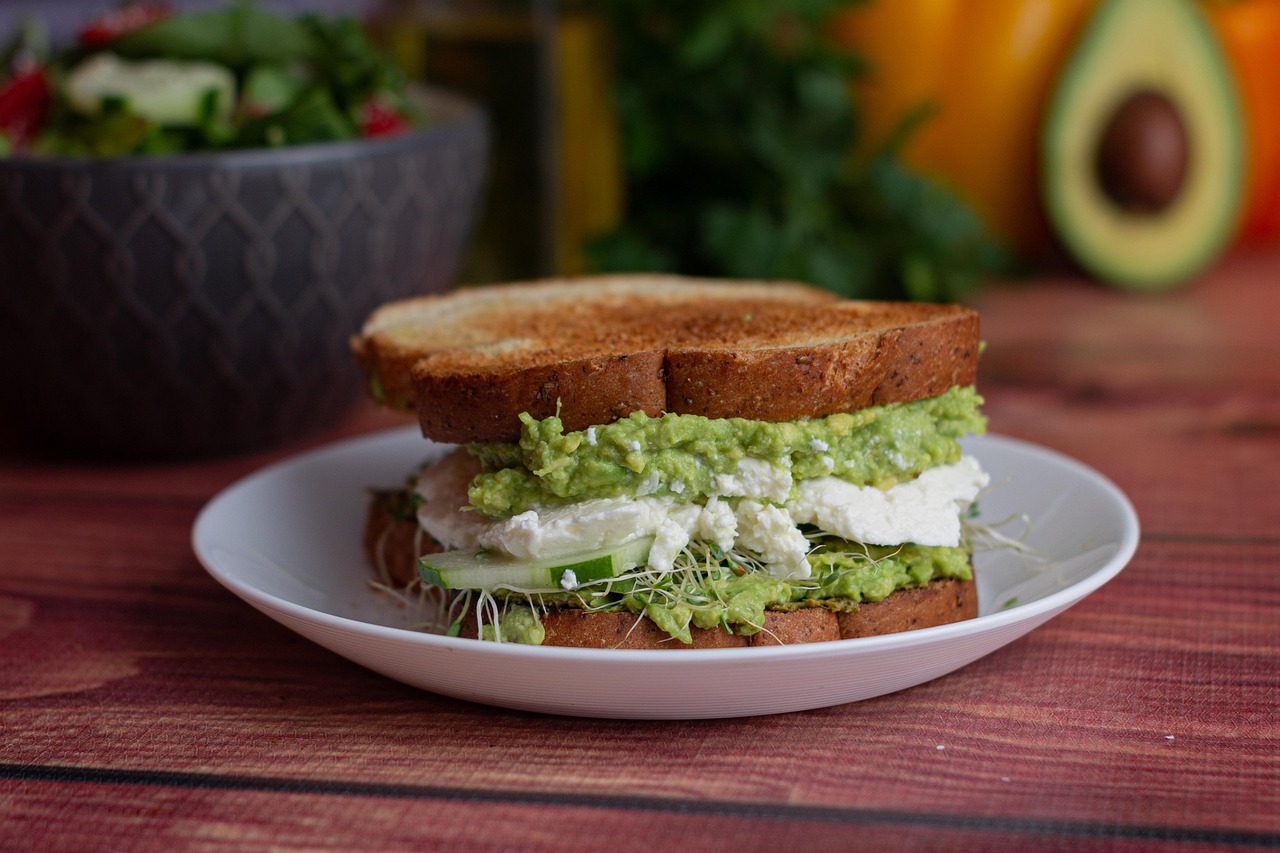
The advisory recommends prioritizing nutrient-dense, minimally processed foods: fruits, vegetables, whole grains, legumes, lean proteins, nuts and seeds. It suggests minimizing refined carbohydrates, sugar-sweetened beverages, red and processed meats, most fast foods and ultra-processed sweets. With a small appetite, a simple plate pattern can help: protein, plenty of vegetables, and smaller portions of whole grains, fruit or legumes, with olive oil, nuts or seeds. The Mediterranean diet follows this pattern closely.
Fiber, carefully
Fiber supports digestion and fullness, and the Daily Value on U.S. food labels is 28 grams a day. On a GLP-1, timing matters: the advisory suggests avoiding fatty or high-fiber foods while nausea is a problem. Add fiber back gradually as you settle, with plenty of fluid. Vegetables, fruit, oats, beans and lentils are good sources.
Handling nausea, constipation and other side effects with food
Digestive side effects are the most common reason people struggle on these medicines. On the Wegovy label, nausea was reported by 44% of people on the 2.4 mg injection versus 16% on placebo, and constipation by 24% versus 11%; in the Zepbound weight trials nausea affected 28% to 29% and diarrhea 19% to 23%, depending on dose. They are most common while the dose is being increased. The joint advisory suggests:
| Item | Wegovy | Placebo |
|---|---|---|
| Nausea | 44% | 16% |
| Diarrhea | 30% | 16% |
| Vomiting | 24% | 6% |
| Constipation | 24% | 11% |
| Abdominal pain | 20% | 10% |
Most frequent during dose escalation. Other GLP-1 medicines show a similar pattern.
Source: WEGOVY prescribing information (DailyMed) (checked on October 6, 2026)
- Nausea: smaller, more frequent meals; avoiding fatty foods (and high-fiber foods while nausea lasts); stopping when you feel full. The advisory notes ginger or peppermint tea, and acupressure bands, can be helpful, and that anti-nausea medicines are available during the adjustment period: ask your prescriber.
- Constipation: fluids, gradually more fiber, and movement. The advisory reports magnesium citrate as effective and well tolerated; check with your clinician or pharmacist first, especially if you have kidney disease.
- Diarrhea and vomiting: replace fluids. The labels warn that dehydration from diarrhea or vomiting can lead to kidney injury.
- Reflux: the advisory notes alcohol may worsen nausea and reflux; smaller meals help too.
Our GLP-1 side effects guide explains how each side effect is recognized and managed, and the Ozempic side effects page lists the label details for that medicine.
Hydration
The advisory emphasizes hydration as critical to prevent dehydration-related kidney injury, and the Wegovy and Zepbound labels both warn about acute kidney injury from fluid loss. The advisory does not set a number; a practical habit is to sip water through the day and drink more in hot weather, with exercise, or when you have diarrhea or vomiting. If you have heart failure or kidney disease, your clinician may give you a specific fluid limit.
Nutrients to watch
The advisory says that with calorie reductions of 16% to 39%, nutrient shortfalls become a real risk, particularly at intakes below 1,200 calories a day for women and 1,800 for men. It names vitamin D, calcium and vitamin B12 among the nutrients at risk, and lists warning signs such as fatigue beyond what is expected, excessive hair loss, and flaky or itchy skin. For reference, these are the Daily Values the FDA uses on food labels:
FDA Daily Values for nutrients to watch
- 1,300 mgcalciumU.S. Food and Drug Administration
- 20 mcgvitamin DU.S. Food and Drug Administration
- 2.4 mcgvitamin B12U.S. Food and Drug Administration
- 18 mgironU.S. Food and Drug Administration
Checked on October 6, 2026
Daily Values are label reference amounts, not personal targets. Ask your clinician whether you need blood tests or a supplement; do not start high-dose supplements on your own. If you take metformin as well, MedlinePlus notes it can lower vitamin B12, another reason to ask about testing.
Alcohol
The advisory recommends minimal alcohol and notes that alcohol may worsen nausea and reflux. Alcohol also adds calories without nutrients. If you drink, know what a standard drink is: the NIAAA defines it as about 14 grams of alcohol, the amount in 12 ounces of regular beer (5%), 5 ounces of wine (12%) or 1.5 ounces of spirits (40%). If you take other medicines, ask your prescriber or pharmacist whether alcohol is safe with them.
Timing: pills, procedures and meals
- Wegovy tablets are taken once a day in the morning on an empty stomach with up to 4 ounces of water, then waiting at least 30 minutes before eating, drinking or taking other oral medicines, according to the label. See the Wegovy pill page.
- Weekly injections: the Wegovy label says the injection can be given at any time of day, with or without meals.
- Before surgery or sedation, tell the team you take a GLP-1: the labels warn about rare reports of inhaling stomach contents during anesthesia or deep sedation in people who still had food in the stomach. Follow the fasting instructions you are given.
Movement that protects muscle
Food and exercise work together. The advisory recommends strength training at least three times a week plus at least 150 minutes a week of moderate aerobic activity. Our strength training guide has beginner routines, and walking is the easiest aerobic start.
A simple daily structure to discuss with your dietitian
- BreakfastA protein-centered small meal, for example eggs or Greek yogurt with fruit.
- MiddayLean protein, vegetables and a modest portion of whole grains or beans.
- SnackA protein snack if a meal was small, from our healthy snacks list.
- DinnerProtein first, then vegetables; stop when comfortably full.
- All daySip water; move; strength train on your planned days.
Ideas for each slot: healthy snacks by calories and protein and meal prep for weight loss. The wider nutrition hub covers labels, portions and planning.
If you stop the medicine
Appetite usually returns after stopping, and trials show most people regain much of the weight. The eating habits you build now, especially protein, vegetables, regular meals and strength training, are what you keep. Read stopping a GLP-1 for what the trials show and how to plan.
When to see a dietitian
The advisory recommends dietitian counseling as part of GLP-1 care. Consider asking for a referral if you struggle to eat enough protein, have ongoing side effects, have diabetes, kidney or heart conditions, follow a vegetarian or vegan diet, are older, or have a history of disordered eating. Our find a provider guide explains how to find a registered dietitian.
Related guides
 Nutrition for Weight Loss: calories, protein, fiber and real foodNutrition for weight loss in plain language: calories, protein, fiber, carbs and fats, food labels, snacks,…
 GLP-1 Side Effects: common, serious and how they are managedGLP-1 side effects from the FDA labels: common digestive effects by brand, serious risks, the thyroid…
 Stopping a GLP-1: regain, what trials show and keeping resultsWhat happens when you stop a GLP-1: STEP 1 extension, STEP 4, SURMOUNT-4 and BMJ meta-analysis…
 Muscle Loss on GLP-1s: protein, strength training and what studies showMuscle loss on GLP-1 medicines: what DXA studies found, lean mass vs muscle, who is at…
Tools for this topic

Latest research
 How to Read a Weight-Loss Study Headline in 5 StepsFive questions to ask before believing a weight-loss headline: who was studied, how many, how long,…
 What’s Coming in 2027: Weight-Loss Treatments Awaiting FDA DecisionsWeight-loss treatments awaiting FDA decisions in 2027: CagriSema, retatrutide, survodutide, MariTide and more, with filing dates,…
 15 Best High-Fiber Foods for Weight LossFifteen high-fiber whole foods ranked by fiber per calorie, from raspberries and artichokes to beans and…
Questions to ask a professional
- What daily protein range is right for me, given my weight and kidney function?
- Should I have vitamin D, B12, iron or other levels checked?
- What can I do about nausea or constipation, and when should I call you?
- Do my other medicines, such as insulin or a sulfonylurea, need adjusting as I eat less?
- Can you refer me to a registered dietitian?
Frequently asked questions
What should I eat on Ozempic, Wegovy or Zepbound?
Build meals around protein, vegetables, fruit, whole grains, legumes, nuts and seeds, and limit refined carbohydrates, sugary drinks, processed meats and fast food, as the 2025 joint advisory suggests. Eat protein first and stop when comfortably full.
How much protein do I need on a GLP-1?
The joint advisory proposes 1.2 to 1.6 g per kg of body weight a day during active weight loss, or about 80 to 120 g a day, and 1.2 to 1.7 g/kg with strength training. People with kidney disease may need different limits.
What foods make GLP-1 nausea worse?
The advisory suggests avoiding fatty foods, and high-fiber foods while nausea lasts, and eating smaller, more frequent meals. Alcohol may worsen nausea and reflux, and stopping when you feel full helps.
Can I drink alcohol on a GLP-1?
The advisory recommends minimal alcohol, noting it may worsen nausea and reflux. Ask your prescriber or pharmacist whether alcohol is safe with your other medicines.
How do I avoid constipation on a GLP-1?
Drink fluids, add fiber gradually and stay active. The advisory reports magnesium citrate as effective and well tolerated; check with your clinician or pharmacist first, especially with kidney disease.
Do I need vitamins on a GLP-1?
Maybe. The advisory names vitamin D, calcium and B12 among nutrients at risk when intake is low, especially below 1,200 kcal a day for women or 1,800 for men. Ask your clinician whether to test levels or take a supplement.
Is it OK to skip meals if I am not hungry?
Eating very little makes it hard to get enough protein and nutrients. Small, regular, protein-centered meals or snacks are generally a better approach. If you can barely eat, tell your prescriber.
How much water should I drink on a GLP-1?
The advisory stresses hydration but does not set a number. Sip water through the day and drink more with heat, exercise, diarrhea or vomiting. If you have heart or kidney disease, follow your clinician's advice.
Should I see a dietitian?
The joint advisory recommends dietitian counseling as a supportive part of GLP-1 care. It is especially useful if you have other health conditions, struggle with protein or side effects, or have a history of disordered eating.
References
- Mozaffarian D, Agarwal M, Aggarwal M, et al.. Nutritional priorities to support GLP-1 therapy for obesity: a joint advisory from ACLM, ASN, OMA and TOS. Obesity Pillars, 2025. doi:10.1016/j.obpill.2025.100181 · PMID 40673264 (accessed October 7, 2026) Guideline
- WEGOVY (semaglutide) injection and tablets: prescribing information. Novo Nordisk, via DailyMed, 2026. (accessed October 7, 2026) Drug label
- ZEPBOUND (tirzepatide) injection: prescribing information. Eli Lilly and Company, via DailyMed, 2026. (accessed October 7, 2026) Drug label
- MOUNJARO (tirzepatide) injection: prescribing information. Eli Lilly and Company, via DailyMed, 2026. (accessed October 7, 2026) Drug label
- Daily Value on the Nutrition and Supplement Facts Labels. U.S. Food and Drug Administration. (accessed October 7, 2026) Government page
- What Is A Standard Drink?. National Institute on Alcohol Abuse and Alcoholism (NIH). (accessed October 6, 2026) Government page
- Metformin. MedlinePlus (National Library of Medicine). (accessed October 6, 2026) Government page
- West S, Scragg J, Aveyard P, et al.. Weight regain after cessation of medication for weight management: systematic review and meta-analysis. BMJ, 2026. doi:10.1136/bmj-2025-085304 · PMID 41500720 (accessed October 7, 2026) Meta-analysis
Facts checked on October 6, 2026
Educational information, not medical advice. Talk with a qualified healthcare professional about your own situation. In an emergency call 911.