
Compare weight-loss treatments side by side: build your own comparison of medications, diets or procedures, read the scorecards and see popular comparisons.
Key takeaways
- InstaTuck scorecards rate evidence, invasiveness, supervision, convenience, cost, maintenance and status, with no overall score.[3]
- Head-to-head trials lead when they exist, such as SURMOUNT-5 (tirzepatide vs semaglutide, 72 weeks).[1]
- Healthy low-fat and low-carb diets were compared directly in DIETFITS and led to similar weight loss after a year.[2]
- Non-invasive fat removal suits a small bulge in people at a stable weight; it is not a weight-loss treatment.[5]
In short: Pick two or three medications, diets or procedures below and InstaTuck lines them up on the same facts and scorecards: evidence, invasiveness, medical supervision, convenience, cost, maintenance and regulatory status. There is no overall score and no “winner”, because the right trade-off depends on your goals, health and preferences. For the most-asked pairs, we have written full comparisons with trial results and dated prices.
How InstaTuck compares
- 7scorecard ratings on every treatment, each a label with a definition
- 0overall scores or winners: you weigh the trade-offs
- 609 adultsin DIETFITS, a 12-month head-to-head of healthy low-fat and low-carb dietsGardner et al., JAMA 2018
Checked on October 6, 2026
Build your own comparison
Choose a group (medications, diets or procedures), then pick two options and an optional third. The table fills in from each option’s own page, so every fact has a source and every price has a date. When we have written a full comparison of your pair, a link to it appears above the table.
Start here
- Choose a groupMedications, diets or procedures.
- Pick two optionsAdd a third if you like.
- Read the tableEvery fact has a source and every price has a date.
- Open the full comparisonWhen we have written one for your pair, the link appears above the table.
Not sure which options to compare? Find My Options suggests categories based on your goal and preferences, and your answers stay in your browser.
Popular comparisons
Medications. These pairs come up most often. Each written comparison covers how the two are taken, what the trials showed, side effects, cost and coverage, and things people weigh up.
- Wegovy vs Zepbound: two weekly injections with different active ingredients.
- Semaglutide vs tirzepatide: the two molecules behind the best-known brands.
- Ozempic vs Wegovy: the same ingredient with different approvals.
- Wegovy vs Saxenda: weekly vs daily GLP-1 injections.
- Wegovy vs Foundayo: injection or pill, with status checked.
- Contrave vs Qsymia: two combination pills.
- Weight-loss injections vs pills: GLP-1 shots and oral options side by side.
Methods and procedures. Comparing different kinds of treatment is just as useful:
- GLP-1 medication vs bariatric surgery.
- Gastric sleeve vs gastric bypass.
- Liposuction vs fat freezing (CoolSculpting): two ways to reduce a local area of fat, neither of them a weight-loss treatment.
- Tummy tuck vs liposuction: removing skin versus removing fat.
All published comparisons:
11 results
 Contrave vs Qsymia: two combination pills comparedMedications
 Gastric Sleeve vs Gastric BypassProcedures
 GLP-1 Medication vs Bariatric SurgeryMethods
 Liposuction vs Fat Freezing (CoolSculpting)Procedures
 Ozempic vs Wegovy: same ingredient, different approvalsMedications
 Semaglutide vs Tirzepatide: how the two molecules compareMedications
 Tummy Tuck vs LiposuctionProcedures
 Wegovy vs Foundayo: injection or pill (status-checked)Medications
 Wegovy vs Saxenda: weekly vs daily GLP-1 comparedMedications
 Wegovy vs Zepbound: ingredients, results, side effects and costMedications
 Weight-Loss Injections vs Pills: GLP-1 shots and oral options comparedMethods
How to read the scorecards
Every treatment on InstaTuck carries the same set of scorecard ratings, so a diet, a program, a medication and a surgery can sit in one table. Each rating is a label with a definition, never a number to add up:
- Evidence: High, Moderate, Limited, Emerging or Not supported. How strong and consistent the research is for the main purpose, led by randomized trials and reviews.
- Invasiveness: None, Low, Moderate or Surgical. From eating changes to injections, endoscopic procedures and operations.
- Medical supervision: None, Recommended or Required. Prescription medications and procedures always require a licensed clinician.
- Convenience: Simple, Moderate or Intensive. How much time, planning and effort it asks of you.
- Cost: $ to $$$$. A typical out-of-pocket range before insurance; the exact, dated prices are in the table and on our costs hub.
- Maintenance: Low, Medium, High or Ongoing. What it takes to keep results, from occasional check-ins to continuing treatment.
- Regulatory status: a badge from the official record, such as FDA approved for weight management, approved for another use, investigational, compounded (not FDA approved) or dietary supplement (not FDA approved). Our guide to status badges explains each one.
Why no overall score? Someone who wants to avoid needles, someone who wants the largest average weight loss and someone on a tight budget would each rank the same options differently. A single number would hide exactly the trade-offs you need to see.
Missing a comparison?
The builder covers every medication, diet and procedure that has its own page on InstaTuck, and we add written comparisons for the pairs readers ask about most. If you would like a pair explained in full, with trial results, side effects and dated costs, send it to us through the contact page. We will not write a comparison where the evidence is too thin to say anything useful; in that case, the builder table, with its empty rows hidden, is the honest answer.
How we compare: trials, dates and limits
- Head-to-head trials first. When two options were tested against each other in the same trial, that result leads. For example, the SURMOUNT-5 trial compared tirzepatide with semaglutide directly over 72 weeks, and the DIETFITS trial compared healthy low-fat and low-carb diets for a year.
- Careful with cross-trial comparisons. When there is no head-to-head trial, we say so. Results from separate trials come from different people, doses and lengths of follow-up, so we show them side by side without claiming one is better.
- Labels for facts about medicines. Approved uses, warnings and side effects come from FDA labeling. The FDA approves a drug when its benefits appear to outweigh its known risks for the intended use, and that use is what we report.
- Dates on prices and coverage. Every price row shows when we checked it. Coverage rules are summarized in our insurance hub.
- Weight loss is not contouring. Procedures such as liposuction or fat freezing reshape an area; they are not weight-loss treatments, and the comparison says so. For overall weight loss, start at how to lose weight.
- Commissions never change a comparison. Order and ratings are editorial, as explained in our editorial standards.
What a head-to-head trial can show: an example
In SURMOUNT-5, published in the New England Journal of Medicine in 2025, 751 adults with obesity and without type 2 diabetes were randomly assigned to weekly tirzepatide or weekly semaglutide for 72 weeks. Average weight change was -20.2% with tirzepatide and -13.7% with semaglutide. Because both groups were studied in the same trial, under the same conditions, this is a fairer comparison than setting two separate trials side by side. It still describes averages: individual results varied, side effects, availability and cost matter too, and the trial cannot say which medication suits any one person. Our semaglutide vs tirzepatide and Wegovy vs Zepbound pages cover the details.
Diet comparisons work the same way. In the DIETFITS trial, adults who followed a healthy low-fat diet or a healthy low-carb diet for a year lost a similar amount of weight on average, so our diet scorecards put sustainability, convenience and cost next to evidence: the diet you can keep is usually the one that works.
| Item | Value |
|---|---|
| Healthy low-fat diet | 5.3 kg |
| Healthy low-carb diet | 6 kg |
609 adults randomized. The 0.7 kg difference between the groups was not statistically significant.
Source: Gardner et al., JAMA 2018 (DIETFITS) (checked on October 6, 2026)
Comparing different kinds of treatment
Comparing a diet with a medication, or a medication with surgery, is useful but needs care, because the options do different jobs, carry different risks and ask different things of you. A few rules we follow:
- Lifestyle changes are shown as the foundation every other option builds on, not as a rival to it.
- Medications are compared on their FDA-approved uses, with the label as the source for warnings and side effects.
- Surgery is compared with its guideline indications and the long-term follow-up it needs.
- Cosmetic procedures are compared only with other cosmetic procedures, never offered as an alternative to weight loss. Liposuction vs fat freezing stays within body contouring, while GLP-1 medication vs bariatric surgery compares two medical treatments.
Using a comparison with your clinician
- Bring the comparison, or a printout, to your appointment.
- Mark the two or three scorecard dimensions that matter most to you, such as needles, cost, downtime or how much supervision you want.
- Ask which options your health history rules in or out, and why.
- Ask how the option would be monitored, and what the plan is if it stops working or has to stop.
A comparison is a starting point for a conversation with a clinician, not a decision. Each written comparison ends with questions to ask. To explore each group in more depth, see the medications hub, diets compared, weight-loss programs and medical weight-loss procedures.
In this section
 Alternate-Day Fasting vs 16:8 vs 5:2: Fasting Methods ComparedTypes of intermittent fasting compared: 16:8, 5:2 and alternate-day fasting, what a week looks like on…
 Cardio vs Strength Training for Weight Loss: What the Trials FoundCardio vs strength training for weight loss: what the STRRIDE AT/RT and LITOE trials found about…
 Every FDA-Approved Weight-Loss Medication Compared (2026)Every FDA-approved weight-loss medication side by side (checked October 6, 2026): how each is taken, who…
 Every Way to Lose Weight in 2026: 40 Methods Compared by Evidence, Cost and EffortEvery main way to lose weight compared: 40 diets, activities, programs, FDA-approved medicines, procedures and popular…
 Every Weight-Loss Procedure Compared: Surgery, Endoscopic and BalloonEvery weight-loss procedure compared: gastric sleeve, bypass, duodenal switch, SADI-S, band, endoscopic sleeve gastroplasty and gastric…
 Fiber Supplements Compared: Psyllium vs Glucomannan vs Inulin (Rated by Evidence)Fiber supplements compared and rated by evidence for weight: psyllium, inulin, beta-glucan, glucomannan, guar gum, wheat…
 Fitness Tracker vs Smart Ring vs Smartwatch for Weight LossFitness band vs smart ring vs smartwatch for weight loss: maker-stated battery, price and membership checked…
 GLP-1 Medication vs a Diet Program: Results, Costs and Trade-offsGLP-1 medication vs a diet program compared: average weight loss in STEP, SURMOUNT, Look AHEAD and…
 Intermittent Fasting vs Calorie Counting: What the Trials FoundIntermittent fasting vs calorie counting compared: what four randomized trials and a 99-trial analysis found, why…
 Keto vs Mediterranean Diet: What a Head-to-Head Trial FoundKeto vs Mediterranean diet compared: what the Keto-Med crossover trial and the two-year DIRECT trial found…
 Low-Carb vs Low-Fat: What 50 Years of Trials ShowLow-carb vs low-fat diets: what the trials since Atkins found, from DIRECT and DIETFITS to four…
 Meal Replacements vs Meal Delivery vs Cooking: Cost and ResultsMeal replacements vs meal delivery vs cooking at home: what each costs (USDA August 2026, company…
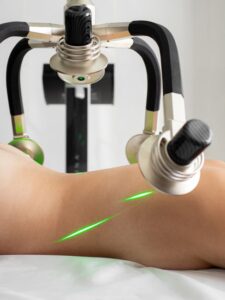 Non-Surgical Fat Reduction Compared: Fat Freezing, Muscle Stimulation, RF, Laser, UltrasoundNon-surgical fat reduction compared: cryolipolysis, radiofrequency, laser, focused ultrasound, low-level light, magnetic muscle stimulation and Kybella,…
 Online Dietitian Services Compared: Insurance, Cost and What’s IncludedFive online dietitian services compared, alphabetical and not ranked: insurance, self-pay prices, visit length, messaging, states…
 Ozempic vs Mounjaro: How the Two Diabetes Drugs DifferOzempic vs Mounjaro compared from the FDA labels and the SURPASS-2 head-to-head trial: approved uses, how…
 Shapewear vs Compression Garments vs Waist TrainersShapewear, compression garments and waist trainers compared: what each does and doesn't do, compression levels in…
 Smart Scale vs DEXA vs Tape Measure: How to Measure Body FatSmart scale vs DEXA vs tape measure compared: how close each comes to DEXA in validation…
 Telehealth Weight-Loss Programs Compared: What Each Includes (Not Ranked)Seven telehealth weight-loss programs compared, alphabetical and not ranked: clinician care, coaching, insurance, published fees and…
 Walking Pad vs Treadmill: Which Should You Buy?Walking pad vs treadmill compared: speed, incline, deck size, weight limit, size and price for four…
 Walking vs Running for Weight Loss: Calories, Studies and Trade-OffsWalking vs running for weight loss: calories per hour and per mile from the 2024 Compendium,…
 Whey vs Plant Protein for Weight LossWhey vs plant protein for weight loss: protein quality (DIAAS), muscle trials, the one weight head-to-head,…
 WW vs Noom: Which Program Fits You?WW vs Noom compared: Points and Workshops vs psychology lessons, what the research shows, prices checked…
Tools for this topic

Questions to ask a professional
- Of the options I compared, which are realistic for my health history and why?
- What results and side effects are typical for someone like me with each option?
- What would each option cost me with my insurance, and what does it take to maintain results?
- Is there an option I did not consider that you would suggest?
Frequently asked questions
Which weight-loss treatment is best?
There is no single best option. The right choice depends on your goals, health, preferences, budget and what a clinician recommends for you. Our comparisons show the trade-offs side by side without picking a winner.
Why is there no overall score?
People weigh things differently: avoiding needles, average results, cost or downtime. A single number would hide those trade-offs, so each dimension is shown separately with a definition.
Can I compare a diet with a medication?
Yes, the scorecards use the same dimensions for every treatment. The builder groups options by type, and our written comparisons cover mixed pairs such as GLP-1 medication vs bariatric surgery.
Where do the facts in the comparison table come from?
From each option's own page: FDA labels for medications, published studies, guidelines and dated price rows. Each fact links back to its references.
Are compounded versions included in comparisons?
They are labeled "Compounded (not FDA approved)" wherever they appear. The FDA does not review compounded drugs for safety, effectiveness or quality before they are sold.
References
- Aronne LJ, Horn DB, le Roux CW, et al.. Tirzepatide as Compared with Semaglutide for the Treatment of Obesity (SURMOUNT-5). New England Journal of Medicine, 2025. doi:10.1056/NEJMoa2416394 · PMID 40353578 · NCT05822830 (accessed October 6, 2026) Randomized trial
- Gardner CD, Trepanowski JF, Del Gobbo LC, et al.. Effect of Low-Fat vs Low-Carbohydrate Diet on 12-Month Weight Loss in Overweight Adults (DIETFITS randomized clinical trial). JAMA, 2018. doi:10.1001/jama.2018.0245 · PMID 29466592 · NCT01826591 (accessed October 7, 2026) Randomized trial
- FDA’s Drug Review Process: Continued. U.S. Food and Drug Administration. (accessed October 6, 2026) Government page
- FDA’s concerns with unapproved GLP-1 drugs used for weight loss. U.S. Food and Drug Administration, 2026. (accessed October 7, 2026) Government page
- Non-invasive fat removal: What can you expect?. American Academy of Dermatology. (accessed October 6, 2026) Society statement
Facts checked on October 6, 2026
Educational information, not medical advice. Talk with a qualified healthcare professional about your own situation. In an emergency call 911.