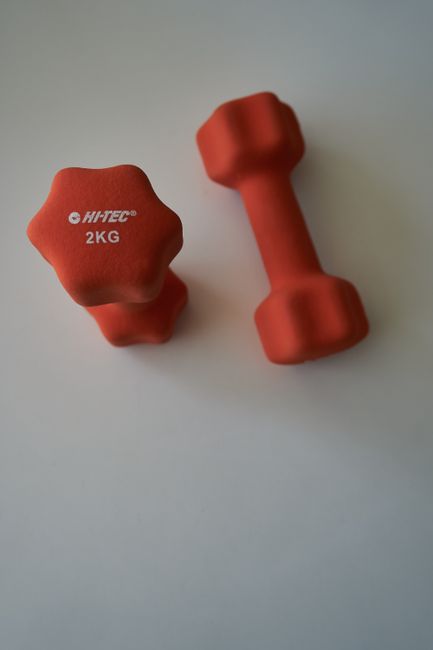
Weight-loss gear guides: scales, walking pads, fitness trackers, strength equipment, shapewear and kitchen basics, with how we research products and our disclosure.
Key takeaways
- Self-monitoring of food, activity or weight is consistently linked with losing more weight.[1]
- People who keep weight off long term tend to weigh themselves regularly and stay very active.[2]
- Adults need 150 to 300 minutes of moderate activity a week plus strength work on 2 or more days; gear can make that easier.[3]
- Affiliate disclosures should be clear and close to the recommendation, as the FTC expects.[4]
This article contains affiliate links: if you buy through them we may earn a commission, at no extra cost to you. Learn more.
In short: You do not need special equipment to lose weight, but a few well-chosen tools make the habits with the best evidence easier: a scale for regular self-weighing, a tracker or walking pad for more daily movement, simple strength equipment, and kitchen basics for planning meals. Our gear guides explain what each product can and cannot do, how to choose one, and which picks we researched. Products that promise effortless fat loss or spot reduction are not on our list.
Some links on this page and in our gear guides are affiliate links: we may earn a commission if you buy, at no extra cost to you. That never changes which products we include or what we say about them.
The habits gear can support
- 150-300 minmoderate activity a week for adultsPhysical Activity Guidelines for Americans
- 2+ daysof strength work a weekPhysical Activity Guidelines for Americans
- 9 inthe dinner plate size in the CDC plate methodCDC
Checked on October 6, 2026
Start here: do these next 1-2-3
- Pick the habit first, then the gearWant to move more? Weigh in regularly? Cook more? Choose the one habit you most want to build.
- Start with what you haveFree tools such as our weight tracker and calories burned calculator cover a lot.
- Buy one thing that removes frictionand use it for a month before adding more.
Gear categories
Scales and tracking
Self-monitoring is one of the most consistent habits linked with weight loss: a systematic review found that keeping track of what you eat, your activity or your weight was consistently associated with losing more. People who keep weight off long term also tend to weigh themselves regularly. A basic digital scale does the job; a smart scale adds automatic logging and estimates of body fat, which are useful for trends rather than exact values. Our smart scales guide explains what those readings measure, and the fitness trackers guide covers step counts, heart rate and the limits of calorie estimates. For a tape-measure alternative, try the body fat calculator.
Choosing and using a scale
A scale is most useful when it is boring and consistent. Look for a stable platform, a clear display and a weight limit comfortably above your current weight. Weigh at the same time of day, ideally in the morning before eating, on the same hard floor, and compare weekly averages rather than single readings, because water and food make day-to-day numbers move. If a number on the scale affects your mood, it is fine to weigh less often or to track measurements and how clothes fit instead; the free weight tracker keeps a history on your own device.
Moving more at home and at work
Adults are advised to get at least 150 to 300 minutes of moderate activity a week plus strength work on 2 or more days, and the guidelines stress moving more and sitting less. A walking pad under a standing desk turns some sitting time into easy walking, and resistance bands or a pair of dumbbells make strength training possible in a living room. Our exercise hub explains how much activity helps with weight and why strength matters.
Shapewear and waist trainers
Shapewear smooths how clothes fit while you wear it; it is about comfort and confidence, not weight loss. Waist trainers are often marketed with bigger claims, such as losing inches or reshaping the waist; our waist trainers guide looks at those claims and the comfort and health concerns honestly. For lasting changes to shape, see shape and look better.
What to skip
Some products sold for weight loss promise what no product can deliver. The Federal Trade Commission warns about claims like these, and we leave such products out:
- Patches and creams said to make you lose weight.
- Electronic muscle stimulators sold as a way to lose weight.
- Anything that says you can lose weight without changing what you eat or how much you move, or that it works for everyone.
- “Free” trials that turn into recurring charges and shipments.
If a product’s main selling point is effortless fat loss, spot reduction or a dramatic before-and-after photo, keep your money. Your best investments are the ones that make good habits easier to repeat.
Kitchen basics for planning meals
Meal planning needs very little equipment. A 9-inch dinner plate, the size the CDC uses for its plate method, keeps portions in proportion: half non-starchy vegetables, a quarter lean protein and a quarter carbohydrate foods. A digital food scale helps for a few weeks while you learn what a portion looks like, a set of reusable containers makes batch cooking practical, and a water bottle you like makes it easier to choose water over sugary drinks. Our meal prep guide sets out a simple weekly system, and the nutrition hub covers the basics behind it.
| Item | Value |
|---|---|
| Non-starchy vegetables | 50% |
| Lean protein | 25% |
| Carbohydrate foods | 25% |
Half the plate, a quarter and a quarter, with water or a low-calorie drink on the side.
Source: CDC, Diabetes Meal Planning (checked on October 6, 2026)
Buying on a budget
Start with the cheapest version that does the job. A basic digital scale records the trend as well as an expensive one; walking needs comfortable shoes more than a gadget; a set of resistance bands costs less than a gym month and covers most beginner strength moves. Upgrade only when you have used something consistently for a month and know exactly what you are missing. And check the return policy before you buy: a walking pad or scale that does not suit your space or weight is easier to send back in the first weeks.
Researched picks to start with
These simple, widely available products support the habits above. We may earn a commission if you buy through these links.
Fit Simplify Loop Bands
- Set of 5, extra light to extra heavy
- 12 x 2 in natural latex
- Fits in a drawer or bag
Nalgene Sustain 32 oz Wide Mouth
- 32 oz, wide mouth
- BPA-free Tritan
- Made with 50% plastic-waste material
How we research products
- Criteria first. Each guide starts with what matters for the job (for a walking pad: speed range, deck size, weight limit, noise) and only then names products.
- Specifications from the maker, checked against the listing. We report sizes, limits and features as published, and say when a claim comes only from the manufacturer.
- No health claims beyond the evidence. We do not repeat claims such as “burns fat” or “spot-reduces”; health claims need solid evidence, usually from well-designed human trials.
- No supplements next to medical content, and no products on pages about prescription medications except a closing “tools that help” section.
- Prices with dates. Product prices change daily, so any price we show carries the time it was checked.
Our disclosure
InstaTuck earns money from some links on gear pages. As an Amazon Associate, InstaTuck earns from qualifying purchases. The FTC expects this kind of disclosure to be clear and close to the recommendation, which is why it appears at the top of this page, above product cards and in our footer. Commissions never decide which products we include, their order or what we write. More about how we work is on our About page and in our editorial standards.
In this section
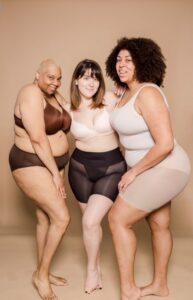 Shapewear: what it does, how to choose, what it cannot doShapewear explained: types, how to size it, comfort and health notes (reflux, nerve pressure), why it…
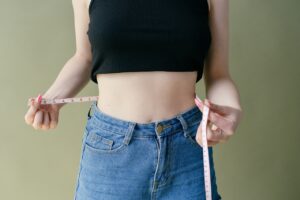 Waist Trainers: an honest look at claims and risksWaist trainers, honestly: what they do (temporary compression), which claims fail, risks for breathing, reflux and…
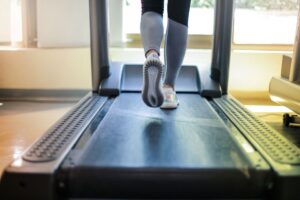 Walking Pads: how to choose one (and use it for weight loss)How to choose a walking pad: speed, belt size, motor, noise, weight limit and safety, types…
Related guides
Walking Pads: how to choose one (and use it for weight loss)How to choose a walking pad: speed, belt size, motor, noise, weight limit and safety, types… Exercise for Weight Loss: walking, strength and what moves the needleExercise for weight loss: how much you need, why strength comes first, walking, low-impact options, spot…
Tools for this topic

Latest research
 10 Best Air Fryers for Lighter Cooking (2026)Ten air fryers for lighter cooking, ranked by safety, fit, specs, price and warranty, with USDA…
 10 Best Blenders for Smoothies and Protein Shakes (2026)10 blenders for smoothies and protein shakes, ranked by safety, fit, specs vs price and warranty,…
 10 Best Rowing Machines for Home Cardio (2026): Researched Picks10 rowing machines researched by use case: air, magnetic, water and connected rowers, with user limits,…
Questions to ask a professional
- Is there any exercise equipment or activity I should avoid because of my joints or heart?
- Which numbers from a scale or tracker are worth sharing with you at visits?
- Is it safe for me to wear compression garments for long periods?
- Would a physical therapist help me set up a safe home routine?
Frequently asked questions
Do I need equipment to lose weight?
No. Walking, body-weight exercises and home cooking need no special gear. Equipment helps when it makes a habit easier, such as a scale for regular weigh-ins or bands for strength training.
Are smart scale body-fat readings accurate?
Treat them as estimates. They are most useful for watching a trend over weeks, measured under the same conditions each time; our smart scales guide explains what they measure.
Does a waist trainer help you lose weight?
No product worn around the waist removes fat. Our waist trainers guide looks at the claims and the comfort and health concerns.
Is a walking pad worth it for weight loss?
It can help if it means you walk more on busy days, for example during calls or desk work. Our walking pads guide covers what to look for before buying.
Do you get paid for these recommendations?
We may earn a commission from some links, including as an Amazon Associate. Commissions never change which products we include, their order or what we say.
References
- Burke LE, Wang J, Sevick MA. Self-monitoring in weight loss: a systematic review of the literature. Journal of the American Dietetic Association, 2011. doi:10.1016/j.jada.2010.10.008 · PMID 21185970 (accessed October 7, 2026) Review
- Wing RR, Phelan S. Long-term weight loss maintenance. American Journal of Clinical Nutrition, 2005. doi:10.1093/ajcn/82.1.222S · PMID 16002825 (accessed October 6, 2026) Review
- Physical Activity Guidelines for Americans, 2nd edition: top 10 things to know. U.S. Department of Health and Human Services (ODPHP). (accessed October 7, 2026) Guideline
- FTC’s Endorsement Guides: What People Are Asking. Federal Trade Commission. (accessed October 6, 2026) Government page
- Health Products Compliance Guidance. Federal Trade Commission, 2022. (accessed October 6, 2026) Government page
- The Truth Behind Weight Loss Ads. Federal Trade Commission. (accessed October 7, 2026) Government page
- Diabetes Meal Planning (the plate method). Centers for Disease Control and Prevention. (accessed October 6, 2026) Government page
Facts checked on October 6, 2026
Educational information, not medical advice. Talk with a qualified healthcare professional about your own situation. In an emergency call 911.