
Status checked on October 6, 2026 accessdata.fda.gov
Emsculpt and muscle-stimulation contouring explained: HIFEM vs EMS, exact FDA clearances (muscle toning, not weight loss), what MRI studies measured and their limits, side effects, cost and exercise as an alternative.
Fact-checked against FDA labels and official sources; not yet reviewed by a licensed clinician. This page is education, not medical advice. Talk to your doctor before starting, stopping or changing any treatment.
Key facts
- Type
- Cosmetic (not weight loss)
- Approach
- Device, non-invasive
- Sedation
- None
- Time
- A course of sessions (four in the Kinney study; three weekly in the Jacob study)
- Downtime
- None
- Permanence
- Temporary
- Body areas
- Abdomen, Arms, Buttocks, Thighs
- Device status
- BTL 799-2 (HIFEM; marketed as Emsculpt) · 510(k) clearance
- Performed by
- Dermatology, Plastic surgery
Key takeaways
- HIFEM devices such as Emsculpt are FDA cleared for muscle toning and strengthening, not for weight loss.[2]
- The FDA says magnetic muscle stimulation effects may be temporary and lists muscle soreness and cramps as complications.[1]
- In 22 people, MRI showed an average 18.6% thinner fat layer and 15.4% thicker abdominal muscle two months after four treatments, with no control group.[7]
- ASPS groups Emsculpt with non-surgical fat reduction, which averaged $1,157 per procedure in 2023.[11]
In short: Muscle-stimulation body contouring uses strong pulsed magnetic fields, a technology called high-intensity focused electromagnetic (HIFEM) stimulation and sold most widely as Emsculpt, to make muscles contract far more than in a normal workout. The FDA has cleared these devices for muscle toning and strengthening (for example, a firmer abdomen and buttocks), not for weight loss. Small studies without control groups measured thicker abdominal muscles and a thinner fat layer on MRI, but the evidence is limited. The FDA notes the effects may be temporary.
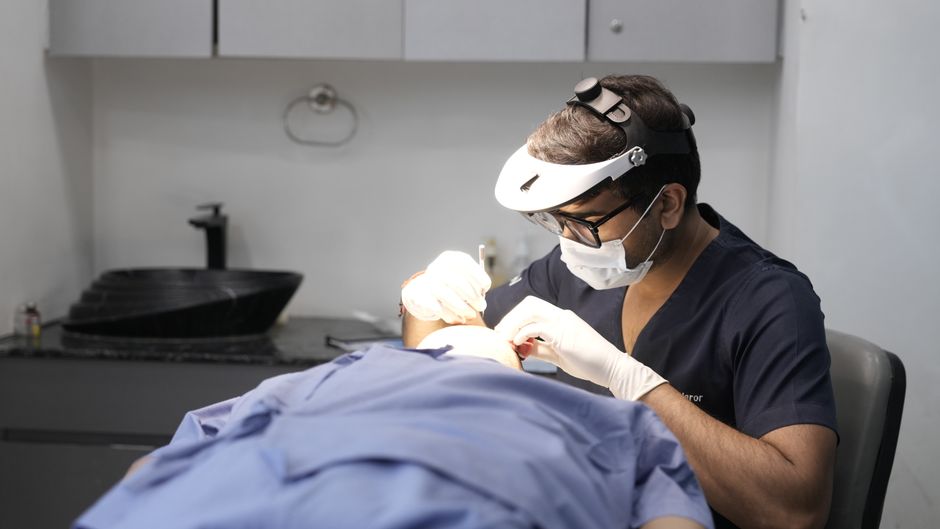
Here we explain how HIFEM and older electrical muscle stimulation (EMS) differ, exactly what the FDA clearances say, what the published studies measured (with their limits), side effects, who should not use these devices, cost, and how this compares with regular strength training. It is general information; InstaTuck does not sell treatments. Look into it carefully, talk with a licensed doctor and get evaluated before any treatment.
Muscle stimulation at a glance
- 2018first FDA clearance of BTL's HIFEM device (BTL 799-2) for abdominal muscle toningFDA 510(k) K180813
- 15.4%average increase in abdominal muscle thickness on MRI at 2 months (22 people, no control group)Kinney and Lozanova, 2019
- Muscle soreness, crampscomplications the FDA lists for magnetic muscle stimulationFDA
Checked on October 6, 2026
What it is: HIFEM and EMS
The FDA describes magnetic-field muscle stimulation like this: pulsed magnetic fields create small electric currents in the tissue that make muscles contract, to improve tone and firmness, and the effects may be temporary. Older electrical muscle stimulation (EMS) sends current through pads on the skin. Both are regulated as powered muscle stimulators. Clinic HIFEM devices are applied to the abdomen, buttocks, thighs, arms or calves for sessions while you lie still; some newer devices combine HIFEM with radiofrequency heat aimed at the fat layer.
FDA status: exactly what is cleared
BTL Industries’ HIFEM devices appear in the FDA 510(k) database under model numbers; the FDA’s adverse-event database lists reports for these devices under the brand name Emsculpt. The indications are about muscles, not fat or weight.
| Device (FDA listing) | 510(k) | Date | Cleared for |
|---|---|---|---|
| BTL 799-2 | K180813 | June 14, 2018 | Improvement of abdominal tone, strengthening of the abdominal muscles, development of a firmer abdomen; strengthening, toning and firming of buttocks and thighs |
| BTL 799-2L | K190456 | July 5, 2019 | As above, plus calves, and muscle tone and firmness of the arms |
| BTL-703-2 | K200382 | January 6, 2021 | Abdomen, buttocks, thighs, calves and arms (muscle toning) |
| BTL-899 (radiofrequency, not HIFEM) | K192224 | December 5, 2019 | Non-invasive lipolysis (breakdown of fat) of the abdomen and reduction in abdominal circumference, skin types I to III |
Other companies also hold muscle-stimulator clearances under the same FDA product code, so “Emsculpt-like” treatments may use different machines. Ask the clinic for the exact device name and its clearance, and remember that a clearance means the FDA found the device substantially equivalent to one already on the market for those uses; it is not proof that it will change your shape.
What the studies measured
The best-known study gave 22 people four abdominal treatments with the Emsculpt device and measured the abdomen with MRI. Two months later, the fat layer was an average 18.6% thinner, the rectus abdominis muscle 15.4% thicker and the gap between the two sides of the muscle (diastasis recti) 10.4% narrower; waist circumference fell by an average 3.8 cm, and body weight did not change significantly. A follow-up of 21 patients about a year later reported changes of 14.63% (fat), 19.05% (muscle) and 10.46% (diastasis) compared with baseline, with no adverse events reported. A third study tested a device that combines HIFEM with radiofrequency in 41 people given three weekly treatments: at three months, fat thickness was 30.8% lower, muscle 26.1% thicker and abdominal separation 18.8% smaller, with a waist reduction of 5.87 cm.
| Item | 2 months (22 people) | About 1 year (21 people) |
|---|---|---|
| Fat-layer thickness (reduction) | 18.60% | 14.63% |
| Muscle thickness (increase) | 15.40% | 19.05% |
| Diastasis recti (reduction) | 10.40% | 10.46% |
Single-group studies without a control group; values are changes from baseline. One-year study: https://doi.org/10.1093/asj/sjaa052
Source: Kinney BM and Lozanova P, Lasers in Surgery and Medicine 2019; Kinney BM and Kent DE, Aesthetic Surgery Journal 2020 (checked on October 6, 2026)
How much weight to give these numbers? They come from small studies of mostly healthy-weight people, without a comparison group receiving a sham treatment or exercise, so we cannot tell how much of the change came from the device rather than other factors. The first study itself called for further research into the physiology. That is why we rate the evidence as limited.
Evidence that HIFEM changes body shapeLimited: small single-group studies
What a course looks like
How the studied treatment courses were run
- ScreeningCheck for implanted electronic devices or metal in the area, pregnancy and other reasons not to treat.
- SessionsApplicators placed on the area; strong, involuntary muscle contractions during the session.
- CourseFour abdominal sessions in the Kinney study; three weekly sessions in the HIFEM plus radiofrequency study.
- After each sessionMuscle soreness or cramps, like after hard exercise (FDA).
- Follow-upChanges were measured at 1 to 6 months, and once at about a year; the FDA says effects may be temporary.
These describe research protocols, not a recommendation; clinics set their own plans and often suggest maintenance sessions. Ask what is included and what it costs if you stop.

Side effects and who should not use it
The FDA lists muscle soreness and cramps as the complications of magnetic muscle stimulation, and says it should not be used over active implants (such as a pacemaker or defibrillator) or metal under the skin. The FDA’s general advice for all body contouring is to tell the provider if you are pregnant or breastfeeding, have an IUD or other implant, take blood thinners, have a bleeding disorder, uncontrolled diabetes, an autoimmune disease, an active skin problem in the area, a history of cancer or recent surgery. If you have a hernia, a recent pregnancy or separated abdominal muscles, ask a doctor whether strong contractions are appropriate before starting.
Cost
ASPS does not report a separate fee for muscle stimulation. Its 2023 survey put the average fee for non-surgical fat reduction, a category that lists Emsculpt alongside CoolSculpting, Vanquish and Kybella, at $1,157 per procedure. A course usually means several sessions, so ask for the price of the full course and any maintenance, in writing. These treatments are cosmetic and not covered by insurance. Compare that with the cost of a gym membership or a trainer for regular strength training, which builds muscle throughout the body. Our costs hub explains how to compare quotes.
Muscle stimulation vs exercise and other options
The muscles these devices work are the same ones you can train with core and glute exercises, and regular training brings benefits devices do not claim, such as better fitness and metabolic health. A device may appeal to people who cannot exercise the area for a time, or who want a targeted add-on to training. It does not remove loose skin (see skin tightening and tummy tuck), and for a pinchable fat bulge the better-studied non-surgical option is cryolipolysis. Separated abdominal muscles after pregnancy are repaired surgically during a tummy tuck. If you are losing weight with a GLP-1 medication and worry about muscle, no device study we found looked at that question; talk with your prescriber about training and protein instead, and see our guide to muscle loss on weight-loss injections.
Reading clinic claims with the FDA’s caveats in mind
Advertising for muscle-stimulation treatments often shows dramatic changes. The FDA’s general advice on non-invasive body contouring is a useful filter: results may be temporary, several treatments are often needed, not everyone responds, and the desired effect is not assured. The FDA also stresses that body contouring is a medical procedure with risks, and that complications can be temporary or, less often, long-lasting. When you see a number in an advertisement, ask where it comes from: how many people were studied, whether there was a comparison group, how the change was measured (MRI, ultrasound, tape measure or photos) and how long after treatment. The three published studies summarized above measured with MRI or CT, which is more precise than a tape, but each had between 21 and 41 participants and no control group.
It also helps to separate three different goals. Firmer, stronger muscles are what the FDA clearances describe. A thinner fat layer was measured in the studies but is not part of the HIFEM clearances. Loose skin is not addressed by these devices at all. Knowing which of these you want makes it easier to judge whether a treatment, training, or a different procedure fits you.
Choosing a provider
Ask which device will be used and for its FDA clearance, who operates it and which physician supervises, how many sessions they recommend and why, how results will be measured (photos, tape, imaging), and what happens if you see no change. Be cautious of claims that a device “replaces” exercise, burns a specific number of calories or causes weight loss; none of the clearances we read says that. Our plastic surgeon guide and the body contouring hub can help you compare options, and the shape and look better hub puts contouring, training and weight loss side by side.
Contouring is not weight loss
This treatment changes the shape of a specific area. It does not lead to meaningful overall weight loss or improve metabolic health. Every proven approach to losing weight
Who explores it
FDA clearances: improvement of abdominal tone and strengthening of abdominal muscles; strengthening, toning and firming of buttocks, thighs, calves and arms. Not for people with active implants or metal in the area (FDA).
How it works
Pulsed magnetic fields induce small electric currents that make muscles contract strongly, to improve tone and firmness (FDA); some devices add radiofrequency heat aimed at the fat layer.
Typical results
Single-group MRI studies: fat layer 18.6% thinner and muscle 15.4% thicker at 2 months (22 people); 14.63% and 19.05% at about a year (21 people); HIFEM plus radiofrequency 30.8% and 26.1% at 3 months (41 people). The FDA says effects may be temporary.
Ranges from published studies; individual results vary.
Recovery
No downtime; muscle soreness or cramps after sessions (FDA).
Risks
- Muscle soreness and cramps (FDA)
- Not for use over active implants such as pacemakers, or metal under the skin (FDA)
- Limited evidence: small studies without control groups
FDA authorization
| Device | Pathway | Number | Date |
|---|---|---|---|
| BTL 799-2 (HIFEM; marketed as Emsculpt) | 510(k) clearance | K180813 | June 14, 2018 |
| BTL 799-2L | 510(k) clearance | K190456 | July 5, 2019 |
| BTL-703-2 | 510(k) clearance | K200382 | January 6, 2021 |
| BTL-899 (radiofrequency lipolysis of the abdomen) | 510(k) clearance | K192224 | December 5, 2019 |
Clearance (510(k)) means the FDA found a device similar to one already on the market; it is not the same as approval.
Cost and insurance
| Price | Amount | Basis | Checked on |
|---|---|---|---|
| Typical total (national data) | 1,157 USD | average fee per non-surgical fat reduction procedure (category includes Emsculpt), 2023 ASPS | October 6, 2026 |
Prices change often and depend on pharmacy, plan and location. Insurance can change what you pay. Every price shows the date we checked it.
Cosmetic; not covered by insurance. Ask for the price of the full course and any maintenance sessions in writing.
Insurance information checked on October 6, 2026.
Advantages and limitations
Advantages
- No incisions, anesthesia or downtime
- FDA cleared for muscle toning of specific areas
- May suit people who cannot train an area for a time
Limitations
- Evidence limited to small studies without control groups
- Effects may be temporary (FDA); maintenance often suggested
- Not weight loss and does not remove loose skin
- Several paid sessions; regular strength training works the same muscles
Choosing a provider
Check board certification, where the procedure is done (accredited facility), how many of these procedures the provider performs, and what follow-up care is included. Find a Board-Certified Plastic Surgeon for Body Contouring
Alternatives
 CosmeticFDA cleared deviceNon-invasiveCoolSculpting and Cryolipolysis (Fat Freezing): results, risks and costDevice, non-invasive · None
 CosmeticSurgicalLiposuction: what it removes, what it does notSurgical · 1-2 weeks
 CosmeticFDA cleared deviceNon-invasiveSkin Tightening: radiofrequency, ultrasound and surgery comparedDevice, non-invasive · None
 CosmeticSurgicalTummy Tuck (Abdominoplasty): types, recovery and resultsSurgical · 2+ weeks
Research mentioning it

Related guides
 Body Contouring: fat reduction and shaping, surgical and non-surgicalBody contouring explained: non-invasive fat reduction vs surgery, what CoolSculpting, Kybella and liposuction can and cannot…
 Body Recomposition: lose fat and build muscle at the same timeBody recomposition explained: how to lose fat and build muscle at the same time, who sees…
 Shape and Look Better: appearance after weight changeShape and look better after weight change: weight loss vs body contouring vs recomposition, cellulite, stretch…
Tools for this topic

Questions to ask a professional
- Which device will you use, and what is its FDA clearance for?
- Do I have any implant, metal, hernia or condition that rules it out?
- How will you measure my results, and what if I see no change?
- How many sessions, and what do the full course and maintenance cost?
- Would strength training or another treatment meet my goal better?
Frequently asked questions
Does Emsculpt help you lose weight?
No. Its FDA clearances are for muscle toning and strengthening. The FDA says non-invasive body contouring does not treat obesity, and in the studies participants' weight did not change.
Is Emsculpt FDA approved?
BTL's HIFEM devices are FDA cleared (510(k)), first in 2018, for improving abdominal tone and firming the buttocks and thighs, later also the arms and calves. Clearance is not a weight-loss approval.
Does Emsculpt build muscle?
Small MRI studies reported thicker abdominal muscle, about 15% to 19% on average, but they had no control group. The FDA notes the effects may be temporary.
Does Emsculpt burn fat?
The HIFEM clearances do not cover fat reduction. Studies reported a thinner fat layer, and a separate radiofrequency device from the same maker is cleared for fat breakdown of the abdomen. The evidence is limited.
What are the side effects?
The FDA lists muscle soreness and cramps. It should not be used over active implants such as pacemakers or metal under the skin.
How many sessions are needed?
The studies used three or four sessions. Clinics set their own plans and often suggest maintenance; ask for the full plan and price in writing.
Is it better than exercise?
No study we found compared it with an exercise program. Regular strength training works the same muscles and also improves fitness and health.
Can it fix separated abdominal muscles?
Small studies measured about a 10% narrower gap on MRI. Surgical repair of diastasis recti is usually part of a tummy tuck. Ask a doctor before strong contractions after a recent pregnancy or with a hernia.
References
- Non-Invasive Body Contouring Technologies (content current as of 2025-10-15). U.S. Food and Drug Administration. (accessed October 7, 2026) Government page
- 510(k) K180813: BTL 799-2. U.S. Food and Drug Administration, 2018. (accessed October 6, 2026) Government page
- 510(k) K190456: BTL 799-2L. U.S. Food and Drug Administration, 2019. (accessed October 6, 2026) Government page
- 510(k) K200382: BTL-703-2. U.S. Food and Drug Administration, 2021. (accessed October 6, 2026) Government page
- 510(k) K192224: BTL-899. U.S. Food and Drug Administration, 2019. (accessed October 6, 2026) Government page
- MAUDE adverse event report: BTL Industries Emsculpt. U.S. Food and Drug Administration. (accessed October 6, 2026) Government page
- Kinney BM, Lozanova P. High intensity focused electromagnetic therapy evaluated by magnetic resonance imaging: safety and efficacy study of a dual tissue effect based non-invasive abdominal body shaping. Lasers in Surgery and Medicine, 2019. doi:10.1002/lsm.23024 · PMID 30302767 (accessed October 6, 2026) Other
- Kinney BM, Kent DE. MRI and CT assessment of abdominal tissue composition in patients after high-intensity focused electromagnetic therapy treatments: one-year follow-up. Aesthetic Surgery Journal, 2020. doi:10.1093/asj/sjaa052 · PMID 32103232 (accessed October 6, 2026) Other
- Jacob C, Kent D, Ibrahim O. Efficacy and safety of simultaneous application of HIFEM and synchronized radiofrequency for abdominal fat reduction and muscle toning: a multicenter MRI evaluation study. Dermatologic Surgery, 2021. doi:10.1097/DSS.0000000000003086 · PMID 34001694 (accessed October 6, 2026) Other
- Nonsurgical fat reduction cost. American Society of Plastic Surgeons. (accessed October 6, 2026) Society statement
- 2023 ASPS Procedural Statistics Release (archived copy). American Society of Plastic Surgeons, 2024. (accessed October 7, 2026) Society statement
Facts checked on October 6, 2026
Educational information, not medical advice. Talk with a qualified healthcare professional about your own situation. In an emergency call 911.