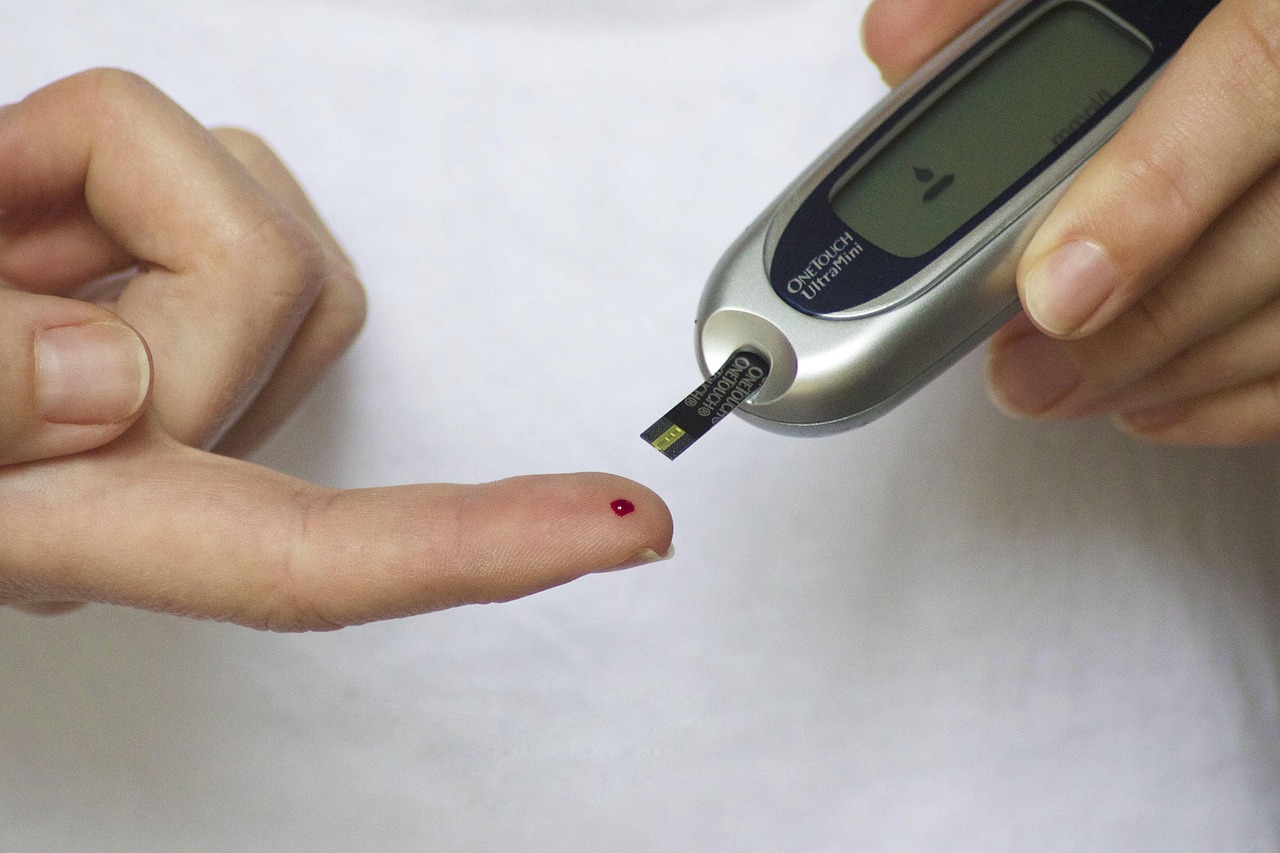
Type 2 diabetes and weight: why they are linked, what DiRECT and Look AHEAD showed, GLP-1 results in people with diabetes, low blood sugar cautions, surgery and coverage.
Fact-checked against FDA labels and official sources; not yet reviewed by a licensed clinician. This page is education, not medical advice. Talk to your doctor before starting, stopping or changing any treatment.
Key facts
- Who to ask
- Bariatric surgery, Endocrinology, Obesity medicine, Primary care, Registered dietitian
- Also called
- type 2 diabetes weight loss, diabetes and weight loss, diabetes remission, reverse type 2 diabetes, diabetic weight loss
Key takeaways
- Nearly 9 in 10 people with type 2 diabetes have overweight or obesity.[2]
- In DiRECT, 46% of people in a supervised weight-management program were in diabetes remission at 12 months, vs 4% with usual care.[6]
- In adults with type 2 diabetes, semaglutide 2.4 mg lowered weight by 9.6% (vs 3.4%) in STEP 2, and tirzepatide by 12.8% to 14.7% (vs 3.2%) in SURMOUNT-2.[9]
- Weight loss while on insulin or a sulfonylurea can cause low blood sugar; those doses may need to be lowered.[12]
- Medicare beneficiaries with type 2 diabetes are not eligible for the GLP-1 Bridge and use their regular Part D plan (checked 2026-10-06).[17]
In short: Weight and type 2 diabetes are closely linked: the NIH says nearly 9 in 10 people with type 2 diabetes have overweight or obesity. Losing weight can improve blood sugar, and in the DiRECT trial almost half of people who followed an intensive weight-management program were in remission (blood sugar below the diabetes range without diabetes medicines) after one year. Several medicines approved for diabetes or for weight also lower weight, and metabolic surgery is an option for some people. Because diabetes medicines interact with weight loss, every change should be planned with your diabetes care team.
This page is general education for people living with type 2 diabetes, or worried about it, who want to understand how weight fits in. It is not personal medical advice. Please talk to your clinician before changing your diet, activity or medicines, and get your blood sugar checked rather than guessing.
Diabetes in the U.S.
- 40.1 millionpeople with diabetes, diagnosed or not (12.0% of the population, 2023)CDC National Diabetes Statistics Report
- 27.6%of adults with diabetes are undiagnosedCDC National Diabetes Statistics Report
- 115.2 millionadults with prediabetesCDC National Diabetes Statistics Report
- Nearly 9 in 10people with type 2 diabetes have overweight or obesityNIDDK
Checked on October 6, 2026
How weight and type 2 diabetes are connected
The NIDDK explains that type 2 diabetes develops when the body does not make enough insulin and cannot use insulin well, a problem called insulin resistance, in which cells in the muscles, fat and liver do not respond well to insulin. Excess weight, especially around the waist, is the leading risk factor the NIDDK lists, alongside age 35 or older, family history, certain ethnic backgrounds, inactivity, smoking, prediabetes and a history of gestational diabetes. Genes matter too, which is why people of any size can develop type 2 diabetes.
The link runs both ways in daily life. Some diabetes medicines, such as insulin and sulfonylureas, are listed by the NIDDK among medicines that can lead to weight gain. Others, such as the GLP-1 medicines, lower weight. That is one reason the choice of diabetes medicine matters for people who want to lose weight.
Symptoms to know
The NIDDK lists increased urination, feeling very thirsty, feeling very hungry even after eating, blurred vision, fatigue, sores that do not heal and frequent infections. Many people have no symptoms at first, which is why more than a quarter of U.S. adults with diabetes do not know they have it. Testing is simple: the same A1C and glucose tests described on our insulin resistance page are used to diagnose diabetes.
What weight loss can do
For people at risk, the Diabetes Prevention Program showed that a lifestyle program aimed at 7% weight loss cut new cases of type 2 diabetes by 58% over about three years. For people who already have type 2 diabetes, the most striking evidence comes from the DiRECT trial in the UK, published in The Lancet in 2018.
DiRECT: remission through intensive weight management
DiRECT enrolled 306 adults aged 20 to 65 who had been diagnosed with type 2 diabetes within the previous six years, had a BMI of 27 to 45 and were not using insulin. Practices were randomly assigned to usual care or to a program that stopped diabetes and blood pressure medicines under supervision, replaced food with a total diet replacement of about 825 to 853 calories a day for three to five months, reintroduced food step by step and then provided structured long-term support. After one year:
| Item | Value |
|---|---|
| Weight-management program | 46% |
| Usual care | 4% |
Remission = HbA1c below 6.5% without diabetes medicines. Mean weight loss 10.0 kg vs 1.0 kg; 24% of the program group lost 15 kg or more.
Source: Lean MEJ et al., The Lancet 2018 (DiRECT) (checked on October 6, 2026)
Remission, defined as an HbA1c below 6.5% without diabetes medicines, was reached by 46% of the program group and 4% of the usual-care group. Average weight loss was 10.0 kg (about 22 pounds) versus 1.0 kg. Very low-calorie diets of this kind must be medically supervised, because blood sugar and blood pressure medicines need to be adjusted on day one. Do not try to copy this at home without your care team. Remission is not always permanent: blood sugar can rise again, so regular checks continue.
Look AHEAD: what lifestyle did and did not show
Look AHEAD, published in the New England Journal of Medicine in 2013, randomly assigned 5,145 adults with type 2 diabetes and overweight or obesity to an intensive lifestyle program or to diabetes support and education. The lifestyle group lost more weight (6.0% vs 3.5% at the end of the study) and had better blood sugar, fitness and most heart risk factors early on. But after a median of 9.6 years, heart attacks, strokes and cardiovascular deaths were not reduced (hazard ratio 0.95), and the trial was stopped for futility. The lesson: lifestyle change improves blood sugar and daily health, and heart protection in diabetes also relies on blood pressure, cholesterol and, for some people, specific medicines.
Eating and activity with diabetes
There is no single “diabetes diet”. Patterns with plenty of vegetables, legumes, whole grains, fish and healthy fats, such as the Mediterranean diet, are widely used, and some people use low-carb approaches. Any diet that cuts carbohydrates or calories can change how much diabetes medicine you need, especially insulin or a sulfonylurea, so tell your prescriber before you start. Regular activity improves insulin sensitivity; our walking plan and strength training guide are good places to start. A registered dietitian or a diabetes care and education specialist can turn this into a plan that fits your medicines.
Medicines that lower both blood sugar and weight
Two kinds of FDA-approved products are relevant, and the difference matters for insurance and labeling:
- Approved for type 2 diabetes. Ozempic (semaglutide) is approved, with diet and exercise, to improve blood sugar in adults with type 2 diabetes, to reduce major cardiovascular events in those with established heart disease, and to reduce the risk of kidney decline, kidney failure and cardiovascular death in those with chronic kidney disease. Mounjaro (tirzepatide) is approved to improve blood sugar in adults and children 10 and older with type 2 diabetes and to reduce major cardiovascular events in adults with type 2 diabetes at high risk. Neither is approved for weight management.
- Approved for weight management. Wegovy (semaglutide) and Zepbound (tirzepatide) are approved for chronic weight management in adults with obesity, or overweight with at least one weight-related condition, and type 2 diabetes is one such condition. They were tested specifically in people with diabetes in STEP 2 and SURMOUNT-2.
| Item | Medicine | Placebo |
|---|---|---|
| Semaglutide 2.4 mg, STEP 2 (68 weeks) | 9.6% | 3.4% |
| Tirzepatide 10 mg, SURMOUNT-2 (72 weeks) | 12.8% | 3.2% |
| Tirzepatide 15 mg, SURMOUNT-2 (72 weeks) | 14.7% | 3.2% |
Bars show weight lost (% of starting weight). Separate trials, not a head-to-head comparison. SURMOUNT-2: doi.org/10.1016/S0140-6736(23)01200-X.
Source: Davies M et al., Lancet 2021 (STEP 2); Garvey WT et al., Lancet 2023 (SURMOUNT-2) (checked on October 6, 2026)
In STEP 2, 1,210 adults with type 2 diabetes and a BMI of 27 or more received weekly semaglutide 2.4 mg, semaglutide 1.0 mg or placebo for 68 weeks with lifestyle support. Weight fell by 9.6% with 2.4 mg versus 3.4% with placebo, and 68.8% versus 28.5% lost at least 5%. Gastrointestinal side effects, mostly mild to moderate, were reported by 63.5% on the higher dose. In SURMOUNT-2, 938 adults received tirzepatide 10 mg or 15 mg or placebo for 72 weeks; weight fell by 12.8% and 14.7% versus 3.2%, and 79% to 83% versus 32% lost at least 5%.
Notice that people with diabetes tended to lose somewhat less weight in these trials than people without diabetes in STEP 1 and SURMOUNT-1. That is a common pattern, so it helps to set expectations with your clinician. Our semaglutide vs tirzepatide comparison and the GLP-1 class guide explain how the two molecules differ, and GLP-1 side effects covers what to expect.
Shared warnings on these labels
Semaglutide and tirzepatide products carry a boxed warning about thyroid C-cell tumors seen in rodents and are not used by people with a personal or family history of medullary thyroid carcinoma or MEN 2. Label warnings also include pancreatitis, gallbladder disease, low blood sugar with insulin or sulfonylureas, kidney injury from dehydration, severe stomach reactions, allergic reactions, aspiration during anesthesia, and diabetic retinopathy complications. The retinopathy warning is especially relevant to people with diabetes, so keep up with eye exams and tell your eye doctor about the medicine.
For metformin, a common diabetes medicine, MedlinePlus lists stomach side effects, a rare but serious risk of lactic acidosis that is higher with kidney disease, and possible vitamin B12 deficiency. Other diabetes medicines have different effects on weight, which your prescriber can explain.
Metabolic and bariatric surgery
The 2022 guidelines from the American Society for Metabolic and Bariatric Surgery (ASMBS) and the International Federation for the Surgery of Obesity and Metabolic Disorders (IFSO) updated the 1991 NIH criteria. They recommend surgery for people with a BMI over 35 regardless of other conditions and say it should be considered for people with metabolic disease, such as type 2 diabetes, and a BMI of 30 to 34.9, with lower thresholds for Asian populations. Our bariatric surgery guide, the gastric sleeve and gastric bypass pages, and the GLP-1 vs bariatric surgery comparison go into detail.
Building a weight plan with your diabetes team
- BaselineA1C, kidney function, eye exam, blood pressure, cholesterol and current medicines.
- Choose the approachLifestyle program, medicine, supervised diet replacement or surgery, based on your goals and risks.
- Adjust medicinesLower-dose plans for insulin or sulfonylureas before calories drop.
- MonitorMore frequent glucose checks while weight is changing.
- MaintainPlan for the long term; diabetes needs ongoing follow-up even in remission.
Cost and insurance
Coverage depends on your plan and on what a medicine is prescribed for, and brand-name GLP-1 medicines often need prior authorization; our coverage guide explains how it works. Medicare matters here: the temporary Medicare GLP-1 Bridge (July 1, 2026 to December 31, 2027) offers Wegovy, Foundayo and Zepbound KwikPen for weight management at a $50 copay, but CMS says beneficiaries with type 2 diabetes are not eligible for the Bridge and use their regular Part D plan instead (checked on CMS on 2026-10-06). Self-pay prices checked the same day: Wegovy pens $349 a month (NovoCare Pharmacy) and Zepbound $299 to $449 a month by dose (Lilly). See our GLP-1 coverage guide and the GLP-1 cost comparison tool.
When to see a doctor
See a clinician for symptoms of high blood sugar, if you have several risk factors and have never been tested, or before starting any weight-loss plan if you take diabetes medicines. Get urgent care for signs of very high or very low blood sugar, such as confusion, fainting, vomiting that will not stop or extreme thirst. An endocrinologist or an obesity medicine doctor can help when diabetes and weight both need attention. The conditions hub links to related conditions such as fatty liver disease.
Overview
Type 2 diabetes develops when the body does not make enough insulin and cells respond poorly to it (insulin resistance). Nearly 9 in 10 people with type 2 diabetes have overweight or obesity (NIDDK). Weight loss improves blood sugar; in DiRECT, 46% of people in a supervised weight-management program were in remission at 12 months. GLP-1 and GIP/GLP-1 medicines lower both glucose and weight, and metabolic surgery is considered from a BMI of 30 with type 2 diabetes.
Signs
- Often none at first (27.6% of adults with diabetes are undiagnosed)
- More urination and thirst, hunger after eating
- Blurred vision, fatigue
- Sores that do not heal, frequent infections
Tests a clinician may order
- A1C, fasting plasma glucose or oral glucose tolerance test
- Kidney function tests
- Dilated eye exam
- Blood pressure and cholesterol
What lifestyle research shows
DiRECT (306 adults, diagnosed within 6 years, not on insulin): total diet replacement of about 825-853 kcal a day for 3-5 months with medicine withdrawal and long-term support led to remission in 46% vs 4% at 12 months, with 10.0 kg vs 1.0 kg weight loss. Look AHEAD (5,145 adults): intensive lifestyle gave more weight loss (6.0% vs 3.5%) and better risk factors but did not reduce cardiovascular events over a median 9.6 years.
When to see a doctor
See a clinician for symptoms of high blood sugar, if you have risk factors and have not been tested, or before changing diet or starting a weight plan while on diabetes medicines. Get urgent care for confusion, fainting, persistent vomiting or extreme thirst.
Treatments discussed
 FDA approved for another usePrescriptionInjectionOzempic (semaglutide): approved uses and how it differs from WegovySemaglutide: one ingredient, several brands · Injection · Weekly
 FDA approved for another usePrescriptionInjectionMounjaro (tirzepatide): approved uses and how it differs from ZepboundTirzepatide: how the dual GIP/GLP-1 drug works (Zepbound, Mounjaro) · Injection · Weekly
 FDA approved for weight managementPrescriptionInjectionWegovy (semaglutide): uses, side effects, cost and FDA statusSemaglutide: one ingredient, several brands · Injection · Weekly
 FDA approved for weight managementPrescriptionInjectionZepbound (tirzepatide): uses, side effects, cost and FDA statusTirzepatide: how the dual GIP/GLP-1 drug works (Zepbound, Mounjaro) · Injection · Weekly
 SurgicalGastric Sleeve Surgery: eligibility, results, risks and costSurgical · 2+ weeks
 SurgicalGastric Bypass: how it works, results and long-term careSurgical · 2+ weeks
Related guides
 Conditions Linked to Weight: what to know and who to askThe health conditions linked to weight, from insulin resistance and type 2 diabetes to sleep apnea,…
 GLP-1 Medications: how they work and which are approved for weightGLP-1 medications explained: what GLP-1 is, how the drugs work, which brands are FDA approved for…
 Bariatric Surgery: types, eligibility and life afterBariatric surgery explained: sleeve, bypass, duodenal switch and band compared, the 2022 eligibility guidelines, results, risks,…
Tools for this topic

Questions to ask your doctor or pharmacist
- Is remission a realistic goal for me, and how would we measure it?
- If I lose weight, how will my insulin or other diabetes medicines be adjusted, and how often should I check my glucose?
- Would a diabetes medicine that also lowers weight make sense for me, and what does my insurance cover?
- Do I need an eye exam or kidney tests before starting a GLP-1 medicine?
- Could a supervised meal-replacement program or surgery be an option?
- Can you refer me to a dietitian or diabetes care and education specialist?
Frequently asked questions
Can losing weight reverse type 2 diabetes?
It can lead to remission for some people. In DiRECT, 46% of people in a supervised weight-management program had an HbA1c below 6.5% without diabetes medicines after a year. DiRECT included people diagnosed within the previous six years who were not using insulin. Blood sugar can rise again, so checks continue.
How much weight do I need to lose to help my diabetes?
Any meaningful loss helps blood sugar. In DiRECT, average loss was 10 kg (about 22 pounds), and 24% of the program group lost 15 kg or more. Your care team can help set a target that fits your health.
Is Ozempic approved for weight loss?
No. Ozempic is approved for type 2 diabetes (blood sugar, heart and kidney outcomes). Wegovy contains the same ingredient and is the semaglutide brand approved for weight management. See our Ozempic and Wegovy pages.
Can people with diabetes take Wegovy or Zepbound?
They were tested in people with type 2 diabetes in STEP 2 and SURMOUNT-2 and are approved for weight management in adults with obesity, or overweight plus a weight-related condition such as diabetes. They should not be combined with other GLP-1 medicines. Your prescriber decides what fits.
Why do people with diabetes lose less weight on GLP-1 medicines?
In the trials, average weight loss was lower in people with type 2 diabetes than in similar trials without diabetes (for example 9.6% in STEP 2 vs 14.9% in STEP 1). The reasons are not fully understood; it is a reason to set realistic expectations.
Is a very low-calorie diet safe with diabetes?
Only with medical supervision. In DiRECT, diabetes and blood pressure medicines were stopped or adjusted under supervision when the diet began. Cutting calories sharply while taking insulin or a sulfonylurea can cause dangerous low blood sugar.
Does insurance cover GLP-1 medicines for diabetes?
Coverage depends on the plan and on whether the medicine is prescribed for diabetes or for weight; brand-name GLP-1 medicines often need prior authorization. Medicare beneficiaries with type 2 diabetes use their Part D plan rather than the GLP-1 Bridge (checked October 6, 2026).
Is bariatric surgery an option for type 2 diabetes?
The 2022 ASMBS and IFSO guidelines recommend surgery from a BMI over 35 and say it should be considered for people with metabolic disease such as type 2 diabetes from a BMI of 30, with lower thresholds in Asian populations. A surgical team assesses each person.
Did weight loss lower heart attacks in Look AHEAD?
No. The intensive lifestyle group lost more weight and improved risk factors, but heart attacks, strokes and cardiovascular deaths were not reduced after a median of 9.6 years. Blood pressure, cholesterol and some medicines remain central to heart protection.
References
- National Diabetes Statistics Report. Centers for Disease Control and Prevention, 2026. (accessed October 6, 2026) Government page
- Health Risks of Overweight and Obesity. National Institute of Diabetes and Digestive and Kidney Diseases (NIH). (accessed October 6, 2026) Government page
- Symptoms and Causes of Diabetes. National Institute of Diabetes and Digestive and Kidney Diseases (NIH). (accessed October 6, 2026) Government page
- Factors Affecting Weight and Health. National Institute of Diabetes and Digestive and Kidney Diseases (NIH). (accessed October 6, 2026) Government page
- Diabetes Prevention Program Research Group. Reduction in the Incidence of Type 2 Diabetes with Lifestyle Intervention or Metformin. New England Journal of Medicine, 2002. doi:10.1056/NEJMoa012512 · PMID 11832527 (accessed October 7, 2026) Randomized trial
- Lean MEJ, Leslie WS, Barnes AC, et al.. Primary care-led weight management for remission of type 2 diabetes (DiRECT). The Lancet, 2018. doi:10.1016/S0140-6736(17)33102-1 · PMID 29221645 (accessed October 6, 2026) Randomized trial
- Look AHEAD Research Group; Wing RR, et al.. Cardiovascular Effects of Intensive Lifestyle Intervention in Type 2 Diabetes (Look AHEAD). New England Journal of Medicine, 2013. doi:10.1056/NEJMoa1212914 · PMID 23796131 · NCT00017953 (accessed October 7, 2026) Randomized trial
- Wilding JPH, Batterham RL, Calanna S, et al.. Once-Weekly Semaglutide in Adults with Overweight or Obesity (STEP 1). New England Journal of Medicine, 2021. doi:10.1056/NEJMoa2032183 · PMID 33567185 · NCT03548935 (accessed October 7, 2026) Randomized trial
- Davies M, Faerch L, Jeppesen OK, et al.. Semaglutide 2.4 mg once a week in adults with overweight or obesity, and type 2 diabetes (STEP 2). The Lancet, 2021. doi:10.1016/S0140-6736(21)00213-0 · PMID 33667417 · NCT03552757 (accessed October 6, 2026) Randomized trial
- Garvey WT, Frias JP, Jastreboff AM, et al.. Tirzepatide once weekly for the treatment of obesity in people with type 2 diabetes (SURMOUNT-2). The Lancet, 2023. doi:10.1016/S0140-6736(23)01200-X · PMID 37385275 (accessed October 6, 2026) Randomized trial
- OZEMPIC (semaglutide) injection: prescribing information. Novo Nordisk, via DailyMed, 2026. (accessed October 7, 2026) Drug label
- MOUNJARO (tirzepatide) injection: prescribing information. Eli Lilly and Company, via DailyMed, 2026. (accessed October 7, 2026) Drug label
- WEGOVY (semaglutide) injection and tablets: prescribing information. Novo Nordisk, via DailyMed, 2026. (accessed October 7, 2026) Drug label
- ZEPBOUND (tirzepatide) injection: prescribing information. Eli Lilly and Company, via DailyMed, 2026. (accessed October 7, 2026) Drug label
- Metformin. MedlinePlus (National Library of Medicine). (accessed October 6, 2026) Government page
- Eisenberg D, Shikora SA, Aarts E, et al.. 2022 ASMBS and IFSO: Indications for Metabolic and Bariatric Surgery. Surgery for Obesity and Related Diseases, 2022. doi:10.1016/j.soard.2022.08.013 · PMID 36280539 (accessed October 6, 2026) Guideline
- Medicare GLP-1 Bridge: Information for Part D Plans. Centers for Medicare & Medicaid Services. (accessed October 6, 2026) Government page
- Wegovy at NovoCare Pharmacy: self-pay prices. Novo Nordisk (NovoCare Pharmacy). (accessed October 7, 2026) Other
- Zepbound coverage and savings. Eli Lilly and Company. (accessed October 6, 2026) Other
Facts checked on October 6, 2026
Educational information, not medical advice. Talk with a qualified healthcare professional about your own situation. In an emergency call 911.