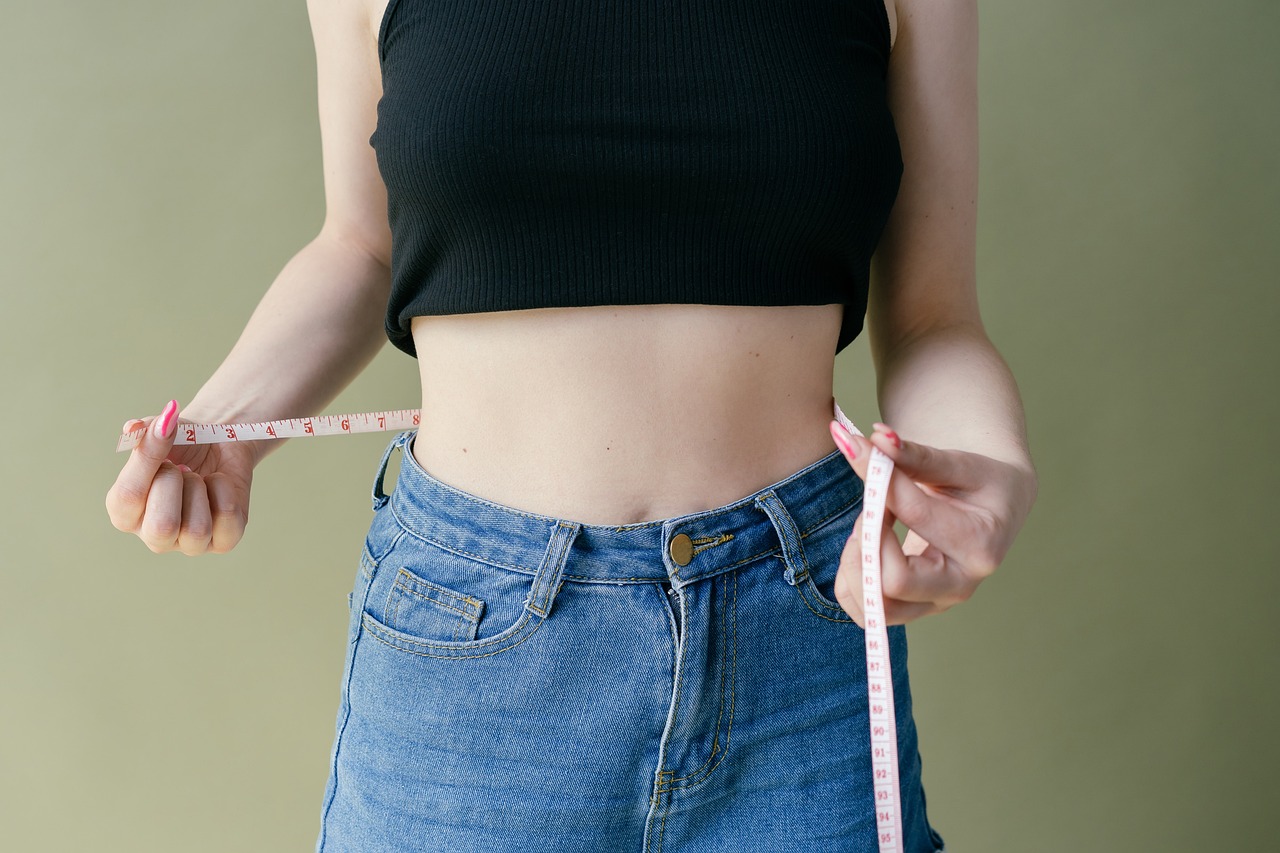
Waist trainers, honestly: what they do (temporary compression), which claims fail, risks for breathing, reflux and nerves, and better alternatives.
Key takeaways
- Waist trainers squeeze the torso for a temporary change in appearance; they do not reduce belly fat or cause weight loss.[1]
- A tight waist belt increased acid reflux after meals about eightfold in people with reflux disease.[2]
- Tight clothing around the hips has been linked to thigh nerve compression (meralgia paresthetica).[3]
- Spot reduction does not work: daily abdominal exercises for six weeks did not reduce belly fat.[5]
In short: A waist trainer is a tight, often boned, corset-style garment worn around the midsection. While you wear it, it squeezes your waist and makes it look smaller; when you take it off, your shape returns. It does not burn fat, cause lasting weight loss or permanently “train” your waist. Wearing one tightly can make breathing harder, worsen heartburn and press on nerves, so if you want a smoother look under clothes, flexible shapewear is the more comfortable choice.
This page looks honestly at what waist trainers are sold to do, what they actually do, the risks, and better ways to reach the goals behind them. It is general information, not medical advice. For the bigger picture on body shape, visit our Shape and look better hub, and for other equipment, our gear hub.
What a waist trainer actually does: temporary compression
A waist trainer wraps the area between the lower ribs and the hips and holds it in with firm fabric, hooks or laces and, in many models, flexible boning. The compression pushes soft tissue in and up, so your waist measures smaller while it is on. The American Board of Cosmetic Surgery puts it plainly: waist training will not reduce belly fat, help you lose weight or give results like liposuction; it only squeezes the torso for a temporary change in appearance.
Common claims, and what the evidence says
| Claim | What the evidence says |
|---|---|
| “Burns belly fat” or “makes you sweat fat away” | Sweat is water, not fat. Fat loss requires an overall calorie deficit; no garment changes that. |
| “Trains” your waist into a smaller shape permanently | Your shape returns when the garment comes off; the American Board of Cosmetic Surgery says waist training does not change body proportions. |
| Helps you lose weight by making you eat less | Squeezing the stomach can make meals uncomfortable, but that is not a safe or lasting way to eat less, and compression after meals can worsen reflux. |
| Strengthens your core | The garment does the holding for your muscles. The ABCS warns that long-term use can reduce the work your abdominal and back muscles do. |
| Spot-reduces fat at the waist | You cannot choose where you lose fat. In a randomized study, six weeks of daily abdominal exercises strengthened the muscles but did not reduce belly fat. |
The evidence at a glance
- About 8xmore acid reflux after a meal with a tight waist belt, in people with reflux diseaseGastroenterology 2017
- 12cases of thigh nerve pressure linked to tight trousersInt J Surg 2008
- 6 weeksof abdominal exercises in a randomized study: stronger muscles, no less belly fatJ Strength Cond Res 2011
Checked on October 6, 2026
Risks: breathing, reflux and nerves
Breathing. Your diaphragm needs room to move down into the abdomen when you breathe in. The American Board of Cosmetic Surgery warns that waist trainers squeeze the ribs and abdomen and can make it harder to breathe. That matters most during exercise, which is why wearing one to work out is a poor idea.
Reflux and heartburn. Compression around the waist raises pressure on the stomach. In a 2017 study in Gastroenterology, a tight belt around the waist of people with reflux disease raised stomach pressure and increased acid reflux after a meal about eightfold. If you have heartburn, a waist trainer is likely to make it worse.
The biggest effect the researchers saw was on clearing acid: with the belt on, acid that came back up stayed in the esophagus more than three times as long.
| Item | Value |
|---|---|
| Without belt | 23 seconds |
| With tight belt | 81.1 seconds |
Median values in 14 people with esophagitis or Barrett's esophagus; belt inflated to 50 mmHg. A waist trainer was not tested directly.
Source: Mitchell DR et al., Gastroenterology 2017 (checked on October 6, 2026)
Nerve pressure. Tight clothing around the hips has been linked to meralgia paresthetica, a painful numbness or burning on the outer thigh caused by pressure on a sensory nerve. In a report of 12 cases tied to tight trousers, symptoms improved with conservative care that included avoiding the tight clothing.
After surgery. Surgeons sometimes prescribe compression garments after procedures such as liposuction, but these are fitted and timed by the surgical team. Do not swap in a waist trainer on your own. A 2020 case report described a woman who developed a blocked leg artery after liposuction while wearing a waist-training corset; it was a single, rare case, but it shows why post-surgical compression should follow medical advice.
Better ways to reach the goals behind a waist trainer
- A smoother look under clothes today: flexible shapewear in your true size gives a similar effect with less pressure, and you can choose light control for long days.
- Less belly fat over time: a modest calorie deficit, regular activity and enough sleep; our guide to losing belly fat explains what works and what is a myth.
- A stronger, firmer midsection: core and whole-body strength training, which works your muscles instead of doing their job for them.
- A different shape without weight change: body recomposition through training and protein.
- Loose skin after weight loss: see our loose skin guide; for localized fat, our body contouring guide explains procedures that are not weight loss.
- Postpartum support: ask your obstetric clinician or a pelvic floor physical therapist before using any belly binder after birth; our postpartum weight loss guide covers a realistic timeline.
If you still want to wear one: comfort first
Some people like the look or the posture cue for an occasion. If you choose to wear a waist trainer, treat it like shapewear, not a fitness tool: pick your true size from the maker’s chart, choose a model that lets you breathe deeply and sit comfortably, wear it for short periods, never during exercise or sleep, and take it off after meals or at the first sign of heartburn, numbness or breathlessness. Skip it entirely if you are pregnant, have reflux, a hernia, breathing problems or recent abdominal surgery, unless your clinician says otherwise.
We have not listed waist trainers as picks, because the products we reviewed are marketed with slimming claims we cannot support. For comfortable smoothing, see the researched picks in our shapewear guide.
Related guides
 Shapewear: what it does, how to choose, what it cannot doShapewear explained: types, how to size it, comfort and health notes (reflux, nerve pressure), why it…
 How to Lose Belly Fat: what works and what is a mythHow to lose belly fat: why spot reduction is a myth, visceral vs subcutaneous fat, the…
 Body Recomposition: lose fat and build muscle at the same timeBody recomposition explained: how to lose fat and build muscle at the same time, who sees…
 Loose Skin After Weight Loss: what helps, from exercise to surgeryLoose skin after weight loss: why it happens, what affects it, options by body area, non-invasive…
Latest research
 10 Best Air Fryers for Lighter Cooking (2026)Ten air fryers for lighter cooking, ranked by safety, fit, specs, price and warranty, with USDA…
 10 Best Blenders for Smoothies and Protein Shakes (2026)10 blenders for smoothies and protein shakes, ranked by safety, fit, specs vs price and warranty,…
 10 Best Rowing Machines for Home Cardio (2026): Researched Picks10 rowing machines researched by use case: air, magnetic, water and connected rowers, with user limits,…
Questions to ask a professional
- Could wearing a tight garment around my waist affect my reflux, breathing or a hernia?
- After my surgery or delivery, what compression, if any, should I wear and for how long?
- What are safe ways for me to strengthen my core?
- Which approaches would help me reduce belly fat, given my health?
Frequently asked questions
Do waist trainers work?
Only while you wear them: they compress your waist so it looks smaller. They do not burn fat, cause lasting weight loss or permanently change your shape.
Are waist trainers safe?
Tight compression can make breathing harder, worsen reflux and press on nerves. If you wear one, keep it short, comfortable and never during exercise or sleep, and skip it if you are pregnant or have reflux, a hernia, breathing problems or recent surgery.
Can I wear a waist trainer while working out?
It is a poor idea: it limits how deeply you can breathe and does the work your core muscles should be doing. Train your core directly instead.
What is the difference between a waist trainer and shapewear?
Shapewear is flexible underwear for smoothing under clothes. Waist trainers are rigid, corset-style garments marketed with slimming claims. Shapewear in your true size is usually the more comfortable option.
Should I wear a waist trainer after liposuction or a C-section?
Only use the compression garment your surgical or obstetric team recommends, for as long as they recommend. Do not substitute a waist trainer on your own.
References
- 4 Reasons to Throw Your Waist Trainer in the Trash. American Board of Cosmetic Surgery, 2016. (accessed October 7, 2026) Society statement
- Mitchell DR, Derakhshan MH, Wirz AA, Ballantyne SA, McColl KEL. Abdominal Compression by Waist Belt Aggravates Gastroesophageal Reflux, Primarily by Impairing Esophageal Clearance. Gastroenterology, 2017. doi:10.1053/j.gastro.2017.02.036 · PMID 28267445 (accessed October 7, 2026) Other
- Moucharafieh R, Wehbe J, Maalouf G. Meralgia paresthetica: a result of tight new trendy low cut trousers (‘taille basse’). International Journal of Surgery, 2008. doi:10.1016/j.ijsu.2007.04.003 · PMID 17521975 (accessed October 7, 2026) Other
- Ramcharan MM, Hanandeh A, Donaldson B, Safavi A. Waist Training Corset: An Unusual Cause of Acute Lower Limb Ischemia. Cureus, 2020. doi:10.7759/cureus.10465 · PMID 33083168 (accessed October 7, 2026) Other
- Vispute SS, Smith JD, LeCheminant JD, Hurley KS. The effect of abdominal exercise on abdominal fat. Journal of Strength and Conditioning Research, 2011. doi:10.1519/JSC.0b013e3181fb4a46 · PMID 21804427 (accessed October 7, 2026) Randomized trial
- Steps for Losing Weight. Centers for Disease Control and Prevention. (accessed October 7, 2026) Government page
Facts checked on October 6, 2026
Educational information, not medical advice. Talk with a qualified healthcare professional about your own situation. In an emergency call 911.