
Nutrition for weight loss in plain language: calories, protein, fiber, carbs and fats, food labels, snacks, meal planning, eating on a GLP-1 and after surgery.
Key takeaways
- The protein RDA is 0.8 g per kg of body weight a day, a minimum; intakes above it can help preserve muscle, especially in older adults.[1]
- Food labels use a 28 g Daily Value for fiber and 50 g for added sugars; 5% DV or less is low and 20% DV or more is high.[2]
- Adults offered ultra-processed meals ate about 500 more calories a day than on unprocessed meals matched for nutrients.[3]
- On a GLP-1, nutrition priorities are managing side effects, protecting muscle and bone, and avoiding nutrient shortfalls.[4]
This article contains affiliate links: if you buy through them we may earn a commission, at no extra cost to you. Learn more.
In short: Every diet that works for weight loss rests on the same nutrition basics: a modest calorie deficit, enough protein to protect muscle, plenty of fiber from plants, mostly minimally processed food, and drinks without much added sugar. Get these right and the name of the diet matters much less. This hub explains each basic in plain language and links to our detailed nutrition guides.
Nutrition advice can feel contradictory, but the core is steady. Here is what the evidence supports, how to read a food label, and how needs change if you take a GLP-1 medication or have had bariatric surgery. It is general information, not a personal meal plan.
Daily reference numbers
- 0.8 g/kgprotein RDA for adults, a minimum rather than a targetWolfe et al., Adv Nutr 2017
- 28 gfiber Daily Value on U.S. food labelsFDA
- 50 gadded sugars Daily Value; less is betterFDA
- 2,300 mgsodium Daily ValueFDA
Checked on October 6, 2026
Start here: do these next 1-2-3
- Know your numbersThe calorie calculator estimates your daily energy needs, and the protein calculator gives a daily protein range.
- Build each meal around protein and plantsA palm-sized portion of protein, half a plate of vegetables, and whole grains or beans fill you up on fewer calories.
- Make it easy for future youPlan a few meals ahead and keep good snacks visible. Our guide to meal prep for weight loss has a simple weekly system.
Calories: the energy balance underneath every diet
Weight loss happens when you take in less energy than your body uses. That gap, a calorie deficit, can come from smaller portions, swapping energy-dense foods for filling ones, cutting sugary drinks or moving more. Counting calories is one way to see the gap, but not the only one; many people do well by changing what is on the plate. As you lose weight your body uses less energy, so progress naturally slows. Our weight-loss timeline calculator accounts for that.
Protein: protect muscle and stay full
The Recommended Dietary Allowance for protein is 0.8 grams per kilogram of body weight a day for adults, a minimum set decades ago to prevent the body from losing protein. The acceptable range for protein is 10 to 35% of daily calories, and research, especially in older adults, points to benefits from intakes above the minimum. While losing weight, more protein helps you keep muscle and feel full. Good sources include fish, poultry, eggs, dairy, beans, lentils, tofu and lean meat. Our high-protein diet guide explains how much and from what, and protein shakes for weight loss covers when a shake helps and how to choose one.
Fiber, carbs and fats
Fiber adds bulk without many calories and slows digestion. The Daily Value used on U.S. food labels is 28 grams of fiber a day, and most people can get there with vegetables, fruit, beans, lentils, whole grains, nuts and seeds. Increase it slowly and drink water as you do.
Carbohydrates are not the enemy. Whole grains, fruit, beans and vegetables bring fiber and nutrients; refined carbs and added sugars bring calories with little fullness. The Daily Value for added sugars is 50 grams a day, and less is better.
Fats are calorie-dense but help you absorb vitamins and make food satisfying. Olive oil, nuts, avocado and fish are good choices. The Daily Value for saturated fat is 20 grams. The macro calculator splits your calories into protein, carbs and fat ranges.
Processed food, drinks and hydration
How food is made matters, not only what is in it. In a tightly controlled NIH study, 20 adults offered ultra-processed meals ate about 500 more calories a day than when they were offered unprocessed meals matched for calories, sugar, fat, fiber and salt, and they gained weight on the ultra-processed diet. You do not need to avoid every packaged food, but building most meals from simple ingredients makes the deficit easier.
Drinks are an easy place to save calories: water, sparkling water, unsweetened tea and coffee instead of soda, sweet coffee drinks and juice. A reusable bottle you like makes it simpler to drink water through the day.
Reading a food label
The Nutrition Facts label is based on a 2,000-calorie day, which may be more or less than you need. Three things to check first: the serving size (is it what you actually eat?), calories per serving, and the % Daily Value. The FDA’s quick guide: 5% DV or less of a nutrient per serving is low, and 20% DV or more is high. Aim high for fiber and protein, low for added sugars, sodium (Daily Value 2,300 milligrams) and saturated fat.
Snacks and meal planning
Snacks can help or hurt. A snack with protein or fiber, such as Greek yogurt, fruit with nuts, hummus and vegetables or a hard-boiled egg, can carry you to the next meal. Our list of healthy snacks for weight loss has ideas sorted by calories and protein. Planning ahead does the rest: a short shopping list, two or three batch-cooked dishes and a default breakfast remove dozens of decisions a week. For dishes to start with, see our recipes for weight loss, such as the high-protein smoothie.
Eating on a GLP-1 medication
Medications such as semaglutide and tirzepatide reduce appetite, so people often eat much less. That makes food quality more important, not less. A 2025 joint advisory from four obesity and nutrition societies highlights the priorities: managing digestive side effects through food choices, protecting muscle and bone with resistance training and enough protein, preventing nutrient shortfalls when calories fall, and support from a registered dietitian. Our guide to what to eat on a GLP-1 turns this into practical meals, and muscle loss on GLP-1s covers the strength side. For the medications themselves, see our GLP-1 guide.
After bariatric surgery
After weight-loss surgery, the body may not absorb enough nutrients, especially if prescribed vitamins and minerals are skipped, and shortfalls can lead to problems such as anemia and osteoporosis, according to the NIH. Eating after surgery follows a staged plan from the surgical team, usually with a dietitian. Our bariatric surgery guide covers the types of surgery and life after.
Portions, eating out and alcohol
A simple way to manage portions without weighing food is the plate method the CDC describes for meal planning. Start with a 9-inch dinner plate, about the length of a business envelope. Fill half with non-starchy vegetables such as salad, green beans or broccoli, a quarter with lean protein such as chicken, beans, tofu or eggs, and a quarter with carbohydrate foods such as whole grains, potatoes or fruit, with water or another low-calorie drink on the side. It was designed for people with diabetes, but the same shape suits most weight-loss eating patterns and still leaves room for foods you enjoy.
| Item | Value |
|---|---|
| Non-starchy vegetables | 50% |
| Lean protein | 25% |
| Carbohydrate foods | 25% |
Half the plate, a quarter and a quarter, with water or a low-calorie drink on the side.
Source: CDC, Diabetes Meal Planning (checked on October 6, 2026)
Eating out is easier when you can see the numbers. In the United States, restaurants and similar food businesses that are part of a chain with 20 or more locations must post calories for standard menu items, and must give you written information on fat, saturated fat, sodium, carbohydrates, sugars, fiber and protein if you ask. Use it to compare two dishes, share a large plate, or set half aside before you start. Our keep it off hub has more ideas for restaurants, holidays and travel.
Alcohol adds energy without making you feel full, and it can loosen the rest of your plan for the evening. A standard drink in the U.S. contains about 14 grams of pure alcohol: 12 ounces of regular beer, 5 ounces of table wine or 1.5 ounces of distilled spirits. Cocktails with sweet mixers and generous pours hold more. Counting drinks in standard sizes makes them easier to see; if you take medication or have a health condition, ask your clinician whether alcohol is safe for you.
| Item | Value |
|---|---|
| Regular beer | 12 oz |
| Table wine | 5 oz |
| Distilled spirits | 1.5 oz |
Each is one U.S. standard drink: beer at about 5% alcohol, wine about 12%, spirits about 40%.
Source: NIAAA, What Is A Standard Drink? (checked on October 6, 2026)
Kitchen and pantry helpers
You do not need special products to eat well, but a few basics make it easier. These are picks our team researched; we may earn a commission if you buy through these links.
Thorne Whey Protein Isolate
- 21 g protein per scoop
- 30 servings
- NSF Certified for Sport
Nalgene Sustain 32 oz Wide Mouth
- 32 oz, wide mouth
- BPA-free Tritan
- Made with 50% plastic-waste material
For scales, trackers and more, see our weight-loss gear guides. Protein powder is food, not medicine; if you have kidney disease, ask your clinician before raising your protein intake.
In this section
 Healthy Snacks for Weight Loss: 40 ideas by calories and proteinHealthy snacks for weight loss: 40 ideas with calories, protein and fiber from USDA data, grouped…
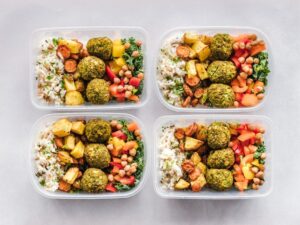 Weight-Loss Meal Plan: A 7-Day Plan at 1,500 and 1,800 CaloriesA free 7-day weight-loss meal plan at 1,500 and 1,800 calories, with grams and calories for…
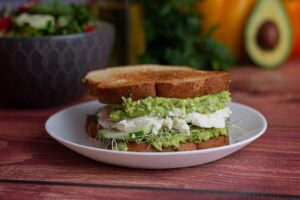 What to Eat on a GLP-1: protein, fiber and handling side effectsWhat to eat on a GLP-1 medicine: protein targets from the 2025 joint advisory, whole-food meals,…
Related guides
 Weight-Loss Diets Compared: evidence, difficulty and costWeight-loss diets compared by evidence, convenience, cost and maintenance: what research says, how to choose, safety,…Healthy Snacks for Weight Loss: 40 ideas by calories and proteinHealthy snacks for weight loss: 40 ideas with calories, protein and fiber from USDA data, grouped…What to Eat on a GLP-1: protein, fiber and handling side effectsWhat to eat on a GLP-1 medicine: protein targets from the 2025 joint advisory, whole-food meals,…
Tools for this topic

Latest research
 15 Best High-Fiber Foods for Weight LossFifteen high-fiber whole foods ranked by fiber per calorie, from raspberries and artichokes to beans and…
 10 Best Low-Calorie, High-Volume DinnersTen of our own low-calorie, high-volume dinner recipes, each under 500 calories with 27-46 g protein,…
 10 Best Air Fryers for Lighter Cooking (2026)Ten air fryers for lighter cooking, ranked by safety, fit, specs, price and warranty, with USDA…
Questions to ask a professional
- How much protein and fiber should I aim for, given my health and kidney function?
- Do I need any vitamin or mineral supplements while I eat less?
- Would a registered dietitian visit be covered by my insurance?
- If I take a GLP-1 medication, how should I handle nausea or a very small appetite?
- After bariatric surgery, which vitamins do I need and for how long?
Frequently asked questions
How much protein do I need to lose weight?
The RDA for adults is 0.8 g per kg of body weight a day, which is a minimum. Many people aim higher while losing weight to protect muscle; the protein calculator gives a range, and people with kidney disease should ask their clinician first.
Do I have to count calories?
No. Counting is one way to see your calorie deficit. Building meals around protein and vegetables, cutting sugary drinks and planning ahead can create a deficit without counting.
Are carbs bad for weight loss?
No. Whole grains, fruit, beans and vegetables bring fiber and nutrients. Limiting refined carbs and added sugars, which add calories with little fullness, is more useful than cutting all carbs.
What is the most important thing on a food label?
Start with the serving size, then calories and the % Daily Value. The FDA says 5% DV or less is low and 20% DV or more is high for a nutrient per serving.
Should my eating change if I take a GLP-1?
Usually yes. Because appetite drops, the focus shifts to enough protein, nutrient-dense foods, managing digestive side effects and strength training. A registered dietitian can help; our GLP-1 diet guide has practical ideas.
References
- Wolfe RR, Cifelli AM, Kostas G, Kim IY. Optimizing Protein Intake in Adults: Interpretation and Application of the Recommended Dietary Allowance Compared with the Acceptable Macronutrient Distribution Range. Advances in Nutrition, 2017. doi:10.3945/an.116.013821 · PMID 28298271 (accessed October 6, 2026) Review
- Daily Value on the Nutrition and Supplement Facts Labels. U.S. Food and Drug Administration. (accessed October 7, 2026) Government page
- Hall KD, Ayuketah A, Brychta R, et al.. Ultra-Processed Diets Cause Excess Calorie Intake and Weight Gain: An Inpatient Randomized Controlled Trial of Ad Libitum Food Intake. Cell Metabolism, 2019. doi:10.1016/j.cmet.2019.05.008 · PMID 31105044 (accessed October 7, 2026) Randomized trial
- Mozaffarian D, Agarwal M, Aggarwal M, et al.. Nutritional priorities to support GLP-1 therapy for obesity: A joint Advisory from the American College of Lifestyle Medicine, the American Society for Nutrition, the Obesity Medicine Association, and The Obesity Society. Obesity, 2025. doi:10.1002/oby.24336 · PMID 40445127 (accessed October 6, 2026) Society statement
- Side Effects of Weight-loss Surgery. National Institute of Diabetes and Digestive and Kidney Diseases (NIH). (accessed October 6, 2026) Government page
- Healthy Eating for a Healthy Weight. Centers for Disease Control and Prevention. (accessed October 7, 2026) Government page
- Diabetes Meal Planning (the plate method). Centers for Disease Control and Prevention. (accessed October 6, 2026) Government page
- Menu Labeling Requirements. U.S. Food and Drug Administration. (accessed October 7, 2026) Government page
- What Is A Standard Drink?. National Institute on Alcohol Abuse and Alcoholism (NIH). (accessed October 6, 2026) Government page
Facts checked on October 6, 2026
Educational information, not medical advice. Talk with a qualified healthcare professional about your own situation. In an emergency call 911.