
The health conditions linked to weight, from insulin resistance and type 2 diabetes to sleep apnea, fatty liver and PCOS, with how much weight loss helps and who to ask.
Fact-checked against FDA labels and official sources; not yet reviewed by a licensed clinician. This page is education, not medical advice. Talk to your doctor before starting, stopping or changing any treatment.
Key takeaways
- The NIH lists type 2 diabetes, high blood pressure, heart disease, fatty liver disease, sleep apnea and many other conditions among the health risks of excess weight.[1]
- Losing 5% to 7% of starting weight may prevent or delay type 2 diabetes, and 3% to 5% may reduce liver fat.[1]
- In 25 trials, losing about 5 kg lowered blood pressure by about 4.4/3.6 mm Hg on average.[7]
- Some medicines (for depression, epilepsy, psychosis, diabetes, blood pressure, steroids, antihistamines) and conditions (PCOS, Cushing's, hypothyroidism) can contribute to weight gain.[2]
- In August 2021 to August 2023, 40.3% of U.S. adults had obesity.[3]
In short: Many common health conditions are linked to weight, including insulin resistance, type 2 diabetes, high blood pressure, sleep apnea, fatty liver disease and PCOS, and some medicines and hormone conditions can cause weight gain. The link often runs both ways, and modest weight loss can make a real difference: 5% to 7% lowered the risk of type 2 diabetes in a major trial, and 3% to 5% can reduce liver fat. This hub explains each condition in plain language, what tests a clinician may order and which treatments are discussed. It is information only: the next step is always an evaluation by a licensed clinician.

How common these conditions are in U.S. adults
- 40.3%of adults had obesity, August 2021 to August 2023CDC, NCHS Data Brief 508
- 48.1%of adults have high blood pressure (119.9 million)CDC
- 40.1 millionpeople have diabetes; 115.2 million adults have prediabetes (2023)CDC National Diabetes Statistics Report
- 25-30%of adults are estimated to have fatty liver diseaseAASLD Practice Guidance 2023
Checked on October 6, 2026
Start here, 1-2-3
Do these next
- 1. Know your numbersWeight, waist, blood pressure, and ask for blood sugar and cholesterol tests. Our BMI and waist-to-height calculators help you prepare.
- 2. Read your conditionPick the page below that matches what your clinician mentioned, or the symptom you are worried about.
- 3. Bring questionsEach page ends with questions to ask. Book a visit with your primary care clinician or a specialist.
Our BMI calculator and waist-to-height calculator give rough screening numbers; they are not a diagnosis. Weight is only one piece of health, and people of every size can have these conditions.
Why weight and health are connected
The National Institute of Diabetes and Digestive and Kidney Diseases (NIDDK) lists the health risks linked to overweight and obesity: type 2 diabetes, high blood pressure, heart disease, stroke, metabolic syndrome, fatty liver diseases, some cancers, sleep apnea and asthma, osteoarthritis, gout, gallbladder and pancreas diseases, kidney disease, pregnancy complications, fertility problems, sexual function problems and mental health conditions. It also notes that nearly 9 in 10 people with type 2 diabetes have overweight or obesity.
The link goes the other way too. Some conditions and medicines make weight gain more likely, and the NIDDK lists PCOS, Cushing’s syndrome and hypothyroidism among the endocrine diseases that can contribute to obesity, along with depression, chronic stress and too little sleep. Obesity is common: in the CDC’s most recent national survey, 40.3% of adults had obesity and 9.4% had severe obesity, and the share was highest among adults aged 40 to 59.
| Item | Value |
|---|---|
| Ages 20 to 39 | 35.5% |
| Ages 40 to 59 | 46.4% |
| Ages 60 and older | 38.9% |
Overall 40.3%. Severe obesity rose from 7.7% to 9.7% (age-adjusted) since 2013-2014.
Source: CDC, NCHS Data Brief 508 (NHANES) (checked on October 6, 2026)
What modest weight loss can do
You do not need to reach a “goal weight” for health to improve. Different conditions respond to different amounts of weight loss, according to U.S. health agencies, guidelines and major trials:
Blood pressure responds too. A meta-analysis of 25 randomized trials with 4,874 participants, published in Hypertension in 2003, found that an average net weight loss of about 5.1 kg (11 pounds) lowered systolic blood pressure by 4.44 mm Hg and diastolic by 3.57 mm Hg. For sleep apnea, a 10% weight loss was linked to a 26% drop in breathing pauses per hour in a long-term study. Our how to lose weight hub covers the approaches, and the medical weight loss guide explains supervised care.
Insulin resistance and prediabetes
Insulin resistance means the body’s cells respond poorly to insulin, so blood sugar slowly rises. It usually has no symptoms. About 115.2 million U.S. adults had prediabetes in 2023, and in the Diabetes Prevention Program a lifestyle program aiming for 7% weight loss cut new cases of type 2 diabetes by 58%. Read insulin resistance: signs, testing and weight for the A1C and glucose ranges and the evidence.
Type 2 diabetes
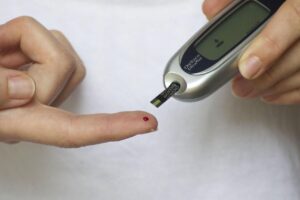
About 40.1 million people in the U.S. have diabetes, and 27.6% of adults with diabetes do not know it. Weight loss can lead to remission for some people: in the DiRECT trial, 46% of people in a supervised weight-management program were in remission after a year. Some diabetes medicines lower weight and others raise it. Read type 2 diabetes and weight for trial results, low blood sugar cautions and coverage.
PCOS
Polycystic ovary syndrome affects an estimated 10% to 13% of reproductive-age women, and up to 70% are undiagnosed, according to the WHO. It is linked to insulin resistance and to higher weight, and modest weight loss can help cycles and fertility. Read PCOS and weight loss for diagnosis, the 2023 guideline on diet and medicines, and important pregnancy and contraception cautions with GLP-1 medicines.
Sleep apnea
Obstructive sleep apnea causes repeated pauses in breathing during sleep; obesity is one of its main risk factors. In December 2024 the FDA approved Zepbound as the first medicine for moderate to severe OSA in adults with obesity. Read sleep apnea and weight for how it is diagnosed, the trial results and the other treatments.
Fatty liver disease (MASLD and MASH)
Fat in the liver linked to metabolic health is now called MASLD; its inflammatory form, MASH, can scar the liver. More than 90% of people with severe obesity have fatty liver disease, the NIDDK reports. Two medicines have FDA accelerated approval for MASH with moderate to advanced scarring. Read fatty liver disease and weight for the FIB-4 test, how much weight loss helps and the approved treatments.
High blood pressure
Nearly half of U.S. adults (48.1%, 119.9 million) have high blood pressure, and only about 1 in 4 of them (22.5%) has it under control, according to the CDC. High blood pressure is one of the health risks of excess weight the NIDDK lists, and weight loss lowers it, as the meta-analysis above shows. Eating patterns matter too: our DASH diet guide explains the eating plan designed to lower blood pressure, with trial results. Some blood pressure medicines can also affect weight (see below), so review them with your prescriber rather than stopping any on your own.
Medicines that can cause weight gain
The NIDDK lists several groups of medicines that can contribute to weight gain:
- some medicines for epilepsy, depression and psychotic disorders;
- corticosteroids (steroid medicines such as prednisone);
- some diabetes medicines, such as insulin and sulfonylureas;
- some blood pressure medicines, such as beta-blockers, alpha-blockers and calcium channel blockers;
- antihistamines.
Hormone conditions: thyroid and Cushing’s syndrome
The NIDDK names hypothyroidism (an underactive thyroid) and Cushing’s syndrome (too much of the hormone cortisol) among the endocrine diseases that can contribute to weight gain. When a clinician evaluates weight, they may order blood tests to rule these out; our medical weight loss guide explains that evaluation, and the metabolism guide explains what thyroid changes can and cannot do to your weight. Some rare genetic conditions also cause obesity from childhood; they are covered on our Imcivree page.
Body changes: gynecomastia
Some conditions affect how the body looks rather than metabolic health. Gynecomastia, enlargement of breast gland tissue in males, affects about half of adolescent boys and around 65% of men aged 50 to 80, according to a review in American Family Physician. It is different from chest fat, which weight loss can reduce. Read gynecomastia: causes, weight loss and treatment options.
Who to ask
- Primary care clinician: the usual first stop for tests and referrals. Medicare covers intensive behavioral therapy for obesity in primary care for people with a BMI of 30 or more.
- Obesity medicine physician: doctors certified by the American Board of Obesity Medicine; see find an obesity medicine doctor.
- Specialists: endocrinologists (diabetes, thyroid, PCOS), sleep specialists, hepatologists or gastroenterologists (liver), gynecologists, and bariatric surgeons; see find a provider.
- Registered dietitian: turns the evidence into an eating plan for your condition and medicines.
If medicines or procedures come up, our medications hub lists what is FDA approved, with status badges, and the bariatric surgery guide explains surgical options. If you are wondering whether a clinic is trustworthy, read how to judge a weight-loss clinic.
All condition pages
6 results
 Fatty Liver Disease (MASLD) and Weight: what helps and what is approvedFatty liver disease (MASLD/MASH) and weight: the new names, who is at risk, FIB-4 testing, how…
 Gynecomastia: causes, weight loss and treatment optionsGynecomastia explained: how common it is, gland vs fat, causes including medicines, warning signs, tests, and…
 Insulin Resistance: signs, testing and weightInsulin resistance explained: what it is, who is at risk, the blood sugar tests and their…
 PCOS and Weight Loss: what helpsPCOS and weight: how PCOS is diagnosed, why insulin resistance matters, what the 2023 guideline says…
 Sleep Apnea and Weight: what weight loss and Zepbound can doSleep apnea and weight: how OSA is measured and diagnosed, how much weight change matters, treatment…
 Type 2 Diabetes and Weight: remission, medicines and what helpsType 2 diabetes and weight: why they are linked, what DiRECT and Look AHEAD showed, GLP-1…
Related guides
 Medical Weight Loss: physician-supervised options explainedMedical weight loss explained: who provides it, what a visit and labs include, programs, medications, procedures,…
 How to Lose Weight: every proven approach in one placeHow to lose weight: the calorie deficit, food, activity, sleep and habits with the best evidence,…
 Weight-Loss Medications: what is approved, how they work, what they costWeight-loss medications explained: what is FDA approved for weight and what is not, how each class…
 Find a Weight-Loss Doctor, Clinic or SurgeonHow to find a weight-loss doctor, clinic or surgeon: which professional does what, credentials to check…
Tools for this topic

Latest research
 Weight-Loss Devices FDA Has Authorized: Balloons, Capsules and MoreEvery weight-loss device the FDA has authorized, from the Lap-Band to swallowable balloons and gel capsules:…
 Questions to Ask a Bariatric Surgeon (and How to Check Credentials)The questions to ask a bariatric surgeon and how to check credentials: American Board of Surgery…
Questions to ask a professional
- Based on my history, which conditions should I be tested for, and which tests?
- Could any of my medicines be contributing to weight gain, and is there an alternative?
- Should we check my thyroid or other hormones?
- How much weight loss would make a meaningful difference for my health?
- Which specialist, dietitian or program would you refer me to?
Frequently asked questions
Which health conditions are linked to weight?
The NIH lists type 2 diabetes, high blood pressure, heart disease, stroke, metabolic syndrome, fatty liver disease, some cancers, sleep apnea, asthma, osteoarthritis, gout, gallbladder and kidney disease, pregnancy and fertility problems, and mental health conditions, among others.
How much weight loss improves health?
Often less than people expect. The NIH says 5% to 7% may prevent or delay type 2 diabetes and 3% to 5% may reduce liver fat; liver scarring generally needs more than 10%, according to the AASLD.
Can a medical condition make it hard to lose weight?
Yes. The NIH names PCOS, Cushing's syndrome and hypothyroidism among the endocrine conditions that can contribute to obesity, and some medicines can cause weight gain. A clinician can check for these.
Which medicines cause weight gain?
The NIH lists some medicines for epilepsy, depression and psychotic disorders, corticosteroids, some diabetes medicines (insulin, sulfonylureas), some blood pressure medicines (beta-blockers, alpha-blockers, calcium channel blockers) and antihistamines. Never stop one on your own; ask about alternatives.
Does losing weight lower blood pressure?
Yes, on average. A meta-analysis of 25 trials found that about 5.1 kg of weight loss lowered systolic blood pressure by 4.44 mm Hg and diastolic by 3.57 mm Hg.
Should I be tested for diabetes or fatty liver?
Ask your clinician, especially if you have risk factors such as overweight, a family history of diabetes, high blood pressure or a history of gestational diabetes. Blood sugar tests and the FIB-4 liver score use routine blood work.
What kind of doctor treats weight-related conditions?
Start with primary care. Obesity medicine physicians, endocrinologists, sleep specialists, liver specialists, gynecologists, dietitians and bariatric surgeons may also be involved depending on the condition.
Does Medicare cover help with weight?
Medicare covers intensive behavioral therapy for obesity in primary care for people with a BMI of 30 or more, with visits continuing after six months for people who lose at least 3 kg. Medicine coverage depends on the condition and plan.
References
- Health Risks of Overweight and Obesity. National Institute of Diabetes and Digestive and Kidney Diseases (NIH). (accessed October 6, 2026) Government page
- Factors Affecting Weight and Health. National Institute of Diabetes and Digestive and Kidney Diseases (NIH). (accessed October 6, 2026) Government page
- Obesity and Severe Obesity Prevalence in Adults: United States, August 2021-August 2023 (NCHS Data Brief 508). Centers for Disease Control and Prevention, National Center for Health Statistics, 2024. (accessed October 7, 2026) Government page
- High Blood Pressure Facts. Centers for Disease Control and Prevention, 2026. (accessed October 6, 2026) Government page
- National Diabetes Statistics Report. Centers for Disease Control and Prevention, 2026. (accessed October 6, 2026) Government page
- Rinella ME, Neuschwander-Tetri BA, Siddiqui MS, et al.. AASLD Practice Guidance on the clinical assessment and management of nonalcoholic fatty liver disease. Hepatology, 2023. doi:10.1097/HEP.0000000000000323 · PMID 36727674 (accessed October 6, 2026) Guideline
- Neter JE, Stam BE, Kok FJ, Grobbee DE, Geleijnse JM. Influence of weight reduction on blood pressure: a meta-analysis of randomized controlled trials. Hypertension, 2003. doi:10.1161/01.HYP.0000094221.86888.AE · PMID 12975389 (accessed October 6, 2026) Meta-analysis
- Diabetes Prevention Program Research Group. Reduction in the Incidence of Type 2 Diabetes with Lifestyle Intervention or Metformin. New England Journal of Medicine, 2002. doi:10.1056/NEJMoa012512 · PMID 11832527 (accessed October 7, 2026) Randomized trial
- Lean MEJ, Leslie WS, Barnes AC, et al.. Primary care-led weight management for remission of type 2 diabetes (DiRECT). The Lancet, 2018. doi:10.1016/S0140-6736(17)33102-1 · PMID 29221645 (accessed October 6, 2026) Randomized trial
- Polycystic ovary syndrome (fact sheet). World Health Organization, 2026. (accessed October 6, 2026) Government page
- Polycystic ovary syndrome. Office on Women's Health (HHS), 2025. (accessed October 6, 2026) Government page
- Peppard PE, Young T, Palta M, Dempsey J, Skatrud J. Longitudinal Study of Moderate Weight Change and Sleep-Disordered Breathing. JAMA, 2000. doi:10.1001/jama.284.23.3015 · PMID 11122588 (accessed October 6, 2026) Other
- FDA Approves First Medication for Obstructive Sleep Apnea. U.S. Food and Drug Administration, 2024. (accessed October 7, 2026) Government page
- Definition and Facts of NAFLD and NASH. National Institute of Diabetes and Digestive and Kidney Diseases (NIH). (accessed October 6, 2026) Government page
- Dickson G. Gynecomastia. American Family Physician, 2012. (accessed October 6, 2026) Review
- National Coverage Determination 210.12: Intensive Behavioral Therapy for Obesity. Centers for Medicare and Medicaid Services. (accessed October 6, 2026) Government page
- American Board of Obesity Medicine. American Board of Obesity Medicine. (accessed October 6, 2026) Society statement
Facts checked on October 6, 2026
Educational information, not medical advice. Talk with a qualified healthcare professional about your own situation. In an emergency call 911.