How to judge a weight-loss clinic: clinic types, what a proper evaluation includes, credentials to check, FDA and FTC red flags, dated costs, Medicare coverage and questions to ask.
Fact-checked against FDA labels and official sources; not yet reviewed by a licensed clinician. This page is education, not medical advice. Talk to your doctor before starting, stopping or changing any treatment.
Key takeaways
- A good clinic starts with a medical evaluation: BMI and waist, history, exam and, when needed, blood tests for causes such as hypothyroidism, Cushing's syndrome or PCOS.[3]
- Effective behavioral programs include 14 or more counseling sessions over 6 months, an eating plan, 150+ minutes of activity a week and self-monitoring.[1]
- Compounded GLP-1 products are not FDA reviewed; FDA had 990 reports for compounded semaglutide and 730+ for tirzepatide as of May 31, 2026.[4]
- The FTC calls claims like weight loss without diet or exercise, "lose 30 pounds in 30 days" and "works for everyone" false.[6]
- Medicare covers intensive behavioral therapy for obesity (BMI 30+) in primary care with no coinsurance or Part B deductible.[7]
In short: A weight-loss clinic can be anything from your primary care practice or a hospital obesity program to a private clinic, a med spa or a telehealth service. A good one starts with a real medical evaluation, involves licensed and properly credentialed clinicians, builds a plan around nutrition, activity and behavior, uses FDA-approved medicines when medicine is appropriate, and is upfront about the total cost. Red flags include injections offered without an evaluation, products that are only compounded, and promises of fast or effortless results. InstaTuck does not sell or recommend specific clinics; this page helps you judge any clinic yourself, and the decision to treat belongs to you and a licensed clinician after an evaluation.
InstaTuck has no business relationship with any clinic named or described here and earns nothing from your choice. Everything below is general information. Please research any clinic carefully, verify credentials, and get a full medical evaluation before starting any treatment.
Know before you go
- 14+ sessionsover 6 months: what the NIH describes for an effective behavioral weight-loss programNIDDK
- 5-10%of starting weight within 6 months: the realistic first goal the NIH describesNIDDK
- 990 and 730+adverse-event reports to FDA linked to compounded semaglutide and tirzepatide (as of May 31, 2026)U.S. Food and Drug Administration
- $0Medicare coinsurance and Part B deductible for intensive behavioral therapy for obesity in primary careCMS
Checked on October 6, 2026
Types of weight-loss clinics
The words “weight-loss clinic” alone tell you little about the care inside. It helps to know the main kinds of places that offer medical weight loss, and what each usually does:
- Your primary care practice. Often the simplest start. Medicare covers intensive behavioral therapy for obesity in a primary care setting for people with a BMI of 30 or more, and HealthCare.gov lists obesity screening and counseling among the preventive services many plans cover at no cost in network.
- Obesity medicine practices. Run by physicians with extra training in obesity care, often certified by the American Board of Obesity Medicine (ABOM). They manage medicines and conditions that affect weight.
- Hospital and academic weight-management programs. Often a team that may include physicians, dietitians, psychologists and exercise specialists, sometimes linked to a bariatric surgery program.
- Bariatric surgery centers. Evaluate and prepare people for surgery and provide long-term follow-up; see our bariatric surgery guide.
- Private and franchise clinics, med spas. Quality varies widely. Some are physician-led with full evaluations; others focus on selling injections, vitamin shots or supplements.
- Telehealth programs. Online visits, prescriptions sent to a pharmacy and app-based coaching. Our programs hub describes how commercial and telehealth programs work.
Our medical weight loss guide explains the full range of supervised options, and find a provider explains the different specialists.
What a proper first evaluation looks like
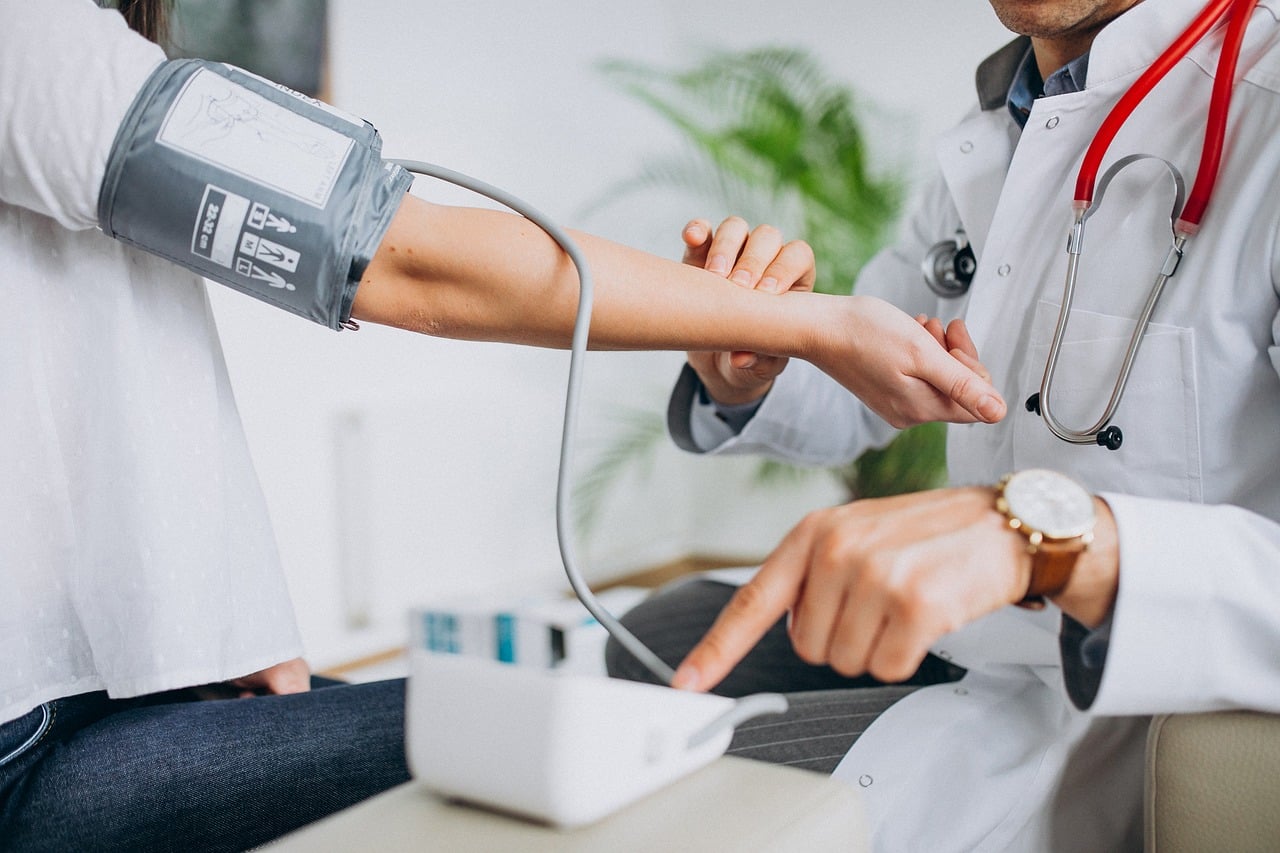
A trustworthy clinic treats weight as a medical issue, which means looking at your whole health before recommending anything. According to the National Heart, Lung, and Blood Institute, clinicians assess weight with BMI and waist size (a waist above 40 inches in men or 35 inches in women is considered a higher risk), review your history, examine you, and may order blood tests to rule out causes of weight gain such as hypothyroidism, Cushing’s syndrome or PCOS. The NHLBI also notes that BMI is a screening tool and does not by itself diagnose body fatness.
A good first visit usually covers
- Your historyWeight history, past attempts, eating patterns, sleep, mood, medicines and family history.
- MeasurementsHeight, weight, BMI, waist, blood pressure.
- Lab testsAs needed: blood sugar, cholesterol, liver and kidney tests, thyroid and other hormones.
- Related conditionsScreening for diabetes, sleep apnea, fatty liver, PCOS and others.
- A written planNutrition, activity, behavior support, and medicine or referral only if appropriate.
If the conversation jumps straight to which injection you want and how to pay, without questions about your health, that is not a medical evaluation. The conditions hub covers the conditions a clinic should look for, including insulin resistance and sleep apnea.
What effective programs include
The NIDDK describes effective behavioral programs as including 14 or more weight-loss counseling sessions over six months, an eating plan, at least 150 minutes a week of moderate-intensity aerobic activity, daily tracking of food and activity, and regular support from a trained specialist. Its guide to choosing a program adds a plan for keeping weight off, and says a realistic first goal is 5% to 10% of starting weight within six months, with 150 to 300 minutes or more of activity a week for maintenance.
When lifestyle changes are not enough, the NIDDK says a health care professional may prescribe medicines, and that surgery may be recommended for people with a BMI of 35 or higher, or lower with serious weight-related conditions such as type 2 diabetes or sleep apnea. A clinic that prescribes should explain the FDA-approved options and their labels, which are summarized on our medications hub and GLP-1 medications guide.
Credentials to check
- Medical license. The Federation of State Medical Boards (FSMB) runs DocInfo, a free search that gathers license and disciplinary information on physicians and physician assistants from state medical and osteopathic boards; your state medical board’s website is another place to look. Check the clinician who will actually prescribe or supervise your care.
- Obesity medicine certification. ABOM certification signifies specialized knowledge in obesity medicine. To be eligible, a physician needs an active, unrestricted U.S. or Canadian medical license, a completed residency, an active primary board certification and either 60 obesity-related CME credits or a fellowship. ABOM has a public Diplomate search to verify a certificate.
- The team. The NIDDK suggests asking whether a doctor or certified health professional oversees the program and whether the staff include a registered dietitian, mental health counselor or exercise physiologist, and about their certifications, education and training.
- The pharmacy. If the clinic dispenses or sends medicines, ask which pharmacy fills them and check that it is state licensed. The FDA’s BeSafeRx program explains how to recognize safe online pharmacies and how to report sites selling medicine illegally.
Our guide to finding an obesity medicine doctor walks through these checks step by step.
Red flags
Each of these comes from an official warning:
- Compounded GLP-1 products are not FDA approved. The FDA says compounded drugs do not undergo its review for safety, effectiveness and quality before they are marketed. As of May 31, 2026, it had received 990 adverse-event reports linked to compounded semaglutide and more than 730 linked to compounded tirzepatide. It has reported dosing errors, some needing hospitalization, when patients measured doses themselves or providers miscalculated them.
- Salt forms are different ingredients. The FDA says semaglutide sodium and semaglutide acetate are different active ingredients from those in the approved drugs. A clinic selling them is not offering the same medicine as Wegovy or Ozempic.
- Storage and vials. The FDA warns that products arriving warm may be compromised and that multi-dose vials of sterile medicine should be used within 28 days of first use. It has also found counterfeit products with false pharmacy information on the label.
- Impossible promises. The Federal Trade Commission lists claims that are false in weight-loss ads, including losing weight without diet or exercise, promises of permanent weight loss, “just take this pill”, “lose 30 pounds in 30 days”, “works for everyone” and losing weight with a patch or cream. It also warns about free trials that become recurring charges and fake news stories or testimonials.
- Spot reduction and extreme speed. The NIDDK lists claims of weight loss without diet or exercise, promises of losing 30 or more pounds a month, spot reduction, and suspicious fine print or testimonials as red flags.
Read compounded semaglutide and tirzepatide: what FDA says for the full background, and report problems through the FDA’s MedWatch program.
What clinics cost
Clinic pricing has many moving parts: the initial visit, lab tests, follow-up visits or a monthly membership, coaching, and the medicine itself, which is often the biggest cost. The NIDDK suggests asking for the total cost from start to finish and about extra fees for membership, visits, meal replacements, supplements, medical tests, counseling, follow-up and online access. Get it in writing.
For FDA-approved GLP-1 medicines, manufacturers now sell directly to self-pay patients with a prescription. This gives you a benchmark to compare against any clinic’s medicine price:
Prices change often, so check the date on every price you see. Our cost hub, the Wegovy cost and Zepbound cost pages, and the GLP-1 cost comparison tool keep dated prices in one place. Be careful with medical credit cards and prepaid packages; if a clinic offers financing, ask whether it uses deferred interest.
Insurance and Medicare
Ask whether the clinic is in network with your plan. HealthCare.gov lists obesity screening and counseling as a preventive service covered with no copay or coinsurance when provided in network, even before you meet your deductible. Medicare covers intensive behavioral therapy for obesity for people with a BMI of 30 or more when it is delivered by a qualified primary care physician or practitioner in a primary care setting, with the coinsurance and Part B deductible waived:
Medicare's intensive behavioral therapy for obesity schedule
- Month 1One face-to-face visit every week.
- Months 2 to 6One visit every other week.
- 6-month checkContinue if you have lost at least 3 kg (about 6.6 pounds).
- Months 7 to 12One visit a month for people who met the 3 kg goal.
Medicare’s temporary GLP-1 Bridge (July 1, 2026 to December 31, 2027) offers Wegovy, Foundayo and Zepbound KwikPen for weight management at a $50 copay for Part D enrollees who meet set criteria (checked on CMS on 2026-10-06). See the insurance hub and GLP-1 coverage guide.
Questions to ask any clinic
These questions build on the NIDDK’s checklist for choosing a weight-loss program. Write the answers down and compare at least two options.
- Who will evaluate me, and what are their license and board certifications?
- What tests will you do before recommending treatment?
- What does the plan include for eating, activity, sleep, stress and keeping weight off?
- Do you require special foods or supplements, and do you sell them?
- If you prescribe, which FDA-approved medicines do you use, which pharmacy fills them, and are any products compounded?
- How do you monitor safety and side effects, and will you share updates with my regular doctor?
- What is the total cost, what is extra, and what is your cancellation and refund policy?
- What results do your patients usually see, and how long do they keep the weight off? Is that published anywhere?
Telehealth: the same standards apply
Online programs can be convenient, especially if there is no obesity specialist near you. The same checks apply: a licensed clinician in your state, a real health history and appropriate labs, FDA-approved medicines from a licensed pharmacy, clear pricing, and an easy way to cancel. Ask how the program handles side effects after hours and whether it coordinates with your own doctor. Our programs hub describes how individual telehealth services work, with dated prices.
After you start
Good care continues after the first prescription: regular follow-up, dose changes made by the prescriber, attention to protein and strength to protect muscle, and a plan for the long term. Our guides to eating on a GLP-1, muscle loss on GLP-1s and stopping a GLP-1 cover what to discuss along the way.
Related guides
 Medical Weight Loss: physician-supervised options explainedMedical weight loss explained: who provides it, what a visit and labs include, programs, medications, procedures,…
 Compounded Semaglutide and Tirzepatide: what FDA says and the risksCompounded semaglutide and tirzepatide explained: not FDA approved, the dated shortage history, FDA safety reports, counterfeit…
 Weight-Loss Programs: commercial, telehealth and clinical comparedWeight-loss programs compared: commercial, app, meal-delivery, telehealth and clinical programs, what to check before signing up,…
 Find an Obesity Medicine Doctor: credentials, verification and what to askHow to find an obesity medicine doctor: what ABOM certification means, how to verify it for…
Tools for this topic

Latest research
 Weight-Loss Devices FDA Has Authorized: Balloons, Capsules and MoreEvery weight-loss device the FDA has authorized, from the Lap-Band to swallowable balloons and gel capsules:…
 Questions to Ask a Bariatric Surgeon (and How to Check Credentials)The questions to ask a bariatric surgeon and how to check credentials: American Board of Surgery…
 10 Best Walking and Step-Counter Apps (2026)The 10 best walking and step-counter apps for 2026, ranked by the step-count evidence, self-monitoring features,…
Questions to ask a professional
- Who will evaluate and prescribe for me, and what are their license and board certifications?
- What tests will you run before recommending treatment, and will you share results with my regular doctor?
- Which FDA-approved medicines do you prescribe, which pharmacy fills them, and are any compounded?
- What is the total cost from start to finish, and what is the cancellation policy?
- What support do you offer for nutrition, activity and keeping weight off?
- How do I reach someone if I have side effects?
Frequently asked questions
Are weight-loss clinics worth it?
A clinic with qualified clinicians, a real evaluation and a full plan can help, especially if you have weight-related conditions or need medicine. Value depends on what is included and the total cost; compare at least two options and your primary care practice.
How do I know if a weight-loss doctor is legitimate?
Check the license and any disciplinary actions with the Federation of State Medical Boards' free DocInfo search, and board certification, for example with the American Board of Obesity Medicine's Diplomate search. Ask who will actually evaluate and prescribe for you.
Is it safe to get semaglutide from a med spa?
It depends on what is being sold and who prescribes it. Compounded products are not FDA approved, and the FDA has reported adverse events and dosing errors. FDA-approved semaglutide (Wegovy) requires a prescription after an evaluation and should come from a state-licensed pharmacy.
What should a first visit include?
A health history, measurements including BMI and waist, an exam, and blood tests when needed, followed by a written plan. A clinic that offers injections without asking about your health is not doing a medical evaluation.
How much does a weight-loss clinic cost?
Costs vary by clinic: visit or membership fees, labs, coaching and medicine. As a benchmark, manufacturer self-pay prices checked on October 6, 2026 were $349 a month for Wegovy pens and $299 to $449 for Zepbound by dose, before any clinic fees.
Does insurance cover weight-loss clinics?
Often in part. Obesity screening and counseling is a preventive service many plans cover in network without a copay, and Medicare covers intensive behavioral therapy for obesity in primary care. Medicines and private clinic memberships vary; ask the clinic and your plan.
What weight loss is realistic at a clinic?
The NIH describes a realistic first goal of 5% to 10% of starting weight within six months. Results with medicines vary and depend on the medicine and on staying with the plan.
What are the biggest red flags?
Prescriptions without an evaluation, only compounded or salt-form products, unclear dosing or warm deliveries, promises of effortless or very fast weight loss, and spot-reduction claims. These come from FDA, FTC and NIH warnings.
References
- Treatment for Overweight and Obesity. National Institute of Diabetes and Digestive and Kidney Diseases (NIH). (accessed October 6, 2026) Government page
- Choosing a Safe & Successful Weight-loss Program. National Institute of Diabetes and Digestive and Kidney Diseases (NIH). (accessed October 7, 2026) Government page
- Overweight and Obesity: Symptoms and Diagnosis. National Heart, Lung, and Blood Institute (NIH), 2022. (accessed October 6, 2026) Government page
- FDA’s concerns with unapproved GLP-1 drugs used for weight loss. U.S. Food and Drug Administration, 2026. (accessed October 7, 2026) Government page
- BeSafeRx: your source for online pharmacy information. U.S. Food and Drug Administration. (accessed October 6, 2026) Government page
- The Truth Behind Weight Loss Ads. Federal Trade Commission. (accessed October 7, 2026) Government page
- National Coverage Determination 210.12: Intensive Behavioral Therapy for Obesity. Centers for Medicare and Medicaid Services. (accessed October 6, 2026) Government page
- Preventive care benefits for adults. HealthCare.gov (Centers for Medicare & Medicaid Services). (accessed October 7, 2026) Government page
- American Board of Obesity Medicine. American Board of Obesity Medicine. (accessed October 6, 2026) Society statement
- Information for consumers (DocInfo). Federation of State Medical Boards. (accessed October 6, 2026) Society statement
- Wegovy at NovoCare Pharmacy: self-pay prices. Novo Nordisk (NovoCare Pharmacy). (accessed October 7, 2026) Other
- Zepbound coverage and savings. Eli Lilly and Company. (accessed October 6, 2026) Other
- Medicare GLP-1 Bridge: Information for Part D Plans. Centers for Medicare & Medicaid Services. (accessed October 6, 2026) Government page
Facts checked on October 6, 2026
Educational information, not medical advice. Talk with a qualified healthcare professional about your own situation. In an emergency call 911.