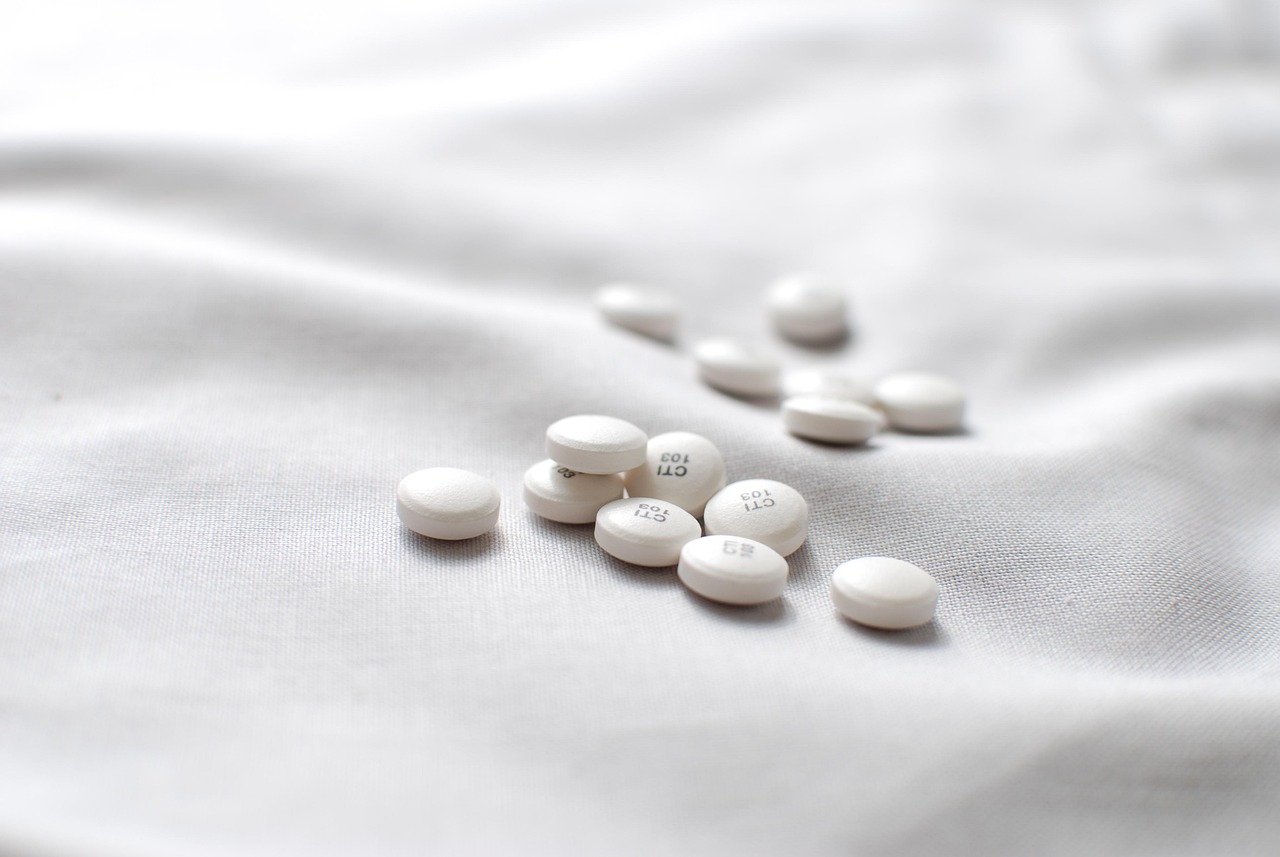
Status checked on October 6, 2026 dailymed.nlm.nih.gov
Rybelsus (oral semaglutide): FDA-approved for type 2 diabetes, not weight; how it relates to the Ozempic and Wegovy pills, trial results, side effects, warnings and dated prices.
Fact-checked against FDA labels and official sources; not yet reviewed by a licensed clinician. This page is education, not medical advice. Talk to your doctor before starting, stopping or changing any treatment.
Key facts
- Active ingredient
- Semaglutide: one ingredient, several brands
- Class
- GLP-1 receptor agonist
- Route
- Pill (tablet)
- How often
- Daily
- Manufacturer
- Novo Nordisk
- Approved for weight
- No
- First approved
- 2019
- Generic available
- No
- Controlled substance
- No
- Official label
- Prescribing information
Key takeaways
- Rybelsus is an FDA-approved semaglutide tablet for adults with type 2 diabetes, for blood sugar control and heart-risk reduction; it is not approved for weight management.[1]
- The semaglutide tablet approved for weight is the Wegovy pill; Rybelsus and the newer Ozempic tablets share one label and are not interchangeable milligram for milligram.[1]
- In the SOUL trial, major cardiovascular events occurred in 12.0% of people on Rybelsus 14 mg vs 13.8% on placebo over about four years.[3]
- Nausea (up to 20%), abdominal pain, diarrhea and decreased appetite are the most common side effects; there is a boxed warning about thyroid C-cell tumors seen in rodents.[1]
- The Rybelsus list price was $1,027.51 per 30 tablets on 2026-10-06; Novo Nordisk sells the reformulated Ozempic pill self-pay for $149 to $299 a month.[6]
Approved uses
Rybelsus (oral semaglutide): a diabetes pill, not a weight-loss approval is FDA approved for Adjunct to diet and exercise to improve glycemic control; Reduce the risk of major adverse cardiovascular events (CV death, non-fatal MI, non-fatal stroke). It is not approved for weight management.
Wegovy (semaglutide): uses, side effects, cost and FDA status, Wegovy HD (semaglutide 7.2 mg): what the higher dose is, results and status, Wegovy Pill (oral semaglutide): status, how it is taken, how it compares contains the same active ingredient and is approved for chronic weight management.
In short: Rybelsus is a daily semaglutide tablet from Novo Nordisk. The FDA approved it for adults with type 2 diabetes, to improve blood sugar control alongside diet and exercise and, since October 2025, to lower the risk of heart attack, stroke and cardiovascular death in adults with type 2 diabetes at high risk. It is not approved for weight loss. In May 2026 Novo Nordisk began selling a reformulated version in the U.S. as the “Ozempic pill” and said Rybelsus will continue to be marketed outside the U.S. (status checked on the FDA label and Drugs@FDA on 2026-10-06).
Many people search for Rybelsus because they have heard it is “Ozempic in a pill” and wonder whether it can be used for weight loss. This page explains what the official prescribing information says: who Rybelsus is labeled for, how it differs from the Wegovy pill (which is the semaglutide tablet that is approved for weight), what the trials found for blood sugar, weight and the heart, its side effects and warnings, and what it costs. It is general information to help you prepare for a conversation with a licensed clinician, not personal medical advice. Please do your own research, talk with your doctor and get a full evaluation before starting, stopping or switching any medicine.
Rybelsus at a glance
- 2019first FDA approval of Rybelsus (September 20)Drugs@FDA, NDA 213051
- Type 2 diabetesthe only population on the label: adults; not approved for weight managementRybelsus label (DailyMed)
- 30 minutesminimum wait after the tablet before food, drink or other pillsRybelsus label (DailyMed)
- $1,027.51list price (WAC) per 30 tablets, any strengthNovo Nordisk pricing
Checked on October 6, 2026
What Rybelsus is
Rybelsus contains semaglutide, the same active ingredient as Ozempic injections and Wegovy. Semaglutide is a GLP-1 receptor agonist: it acts like GLP-1, a hormone the gut releases after you eat. The label explains that it helps the pancreas release insulin when blood sugar is high, lowers the hormone glucagon, and slightly slows how fast the stomach empties after a meal. Our semaglutide page covers the mechanism in more depth.
What makes Rybelsus unusual is that it is a peptide medicine you swallow. Peptides are normally broken down in the stomach, so the tablet includes an absorption enhancer called salcaprozate sodium (SNAC). That is why the label has strict rules about taking it on an empty stomach with only a small amount of plain water, and why only a small part of each tablet reaches the bloodstream. It also explains why tablet doses are written in milligrams that look much larger than injection doses: the numbers are not comparable.
FDA status: a diabetes medicine, not a weight-loss approval
According to Drugs@FDA (application NDA 213051), Rybelsus was first approved on September 20, 2019. An efficacy supplement approved on October 17, 2025 added a new indication. The current label, which DailyMed lists as revised in 2026, gives two uses, both for adults with type 2 diabetes:
- as an add-on to diet and exercise to improve blood sugar (glycemic) control, and
- to reduce the risk of major adverse cardiovascular events (cardiovascular death, non-fatal heart attack or non-fatal stroke) in people with type 2 diabetes who are at high risk for these events.
The label does not include weight management, and it says safety and effectiveness have not been established in children. When a clinician prescribes a medicine for something that is not on its label, that is called off-label use. Some people do lose weight on Rybelsus, but it was not studied or approved as a weight-loss treatment, the doses differ from the weight-loss tablet, and insurers often require a type 2 diabetes diagnosis to cover it. If weight is your main goal, the semaglutide tablet that is FDA approved for weight is the Wegovy pill; our page on Ozempic for weight loss explains the difference between approved and off-label use in more detail.
Rybelsus, the Ozempic pill and the Wegovy pill: how they relate
There are now three semaglutide tablets in the U.S., and the names are easy to mix up:
| Tablet | Approved for | Label strengths | Status (checked 2026-10-06) |
|---|---|---|---|
| Rybelsus | Type 2 diabetes (blood sugar; heart-risk reduction) in adults | 3 mg, 7 mg, 14 mg | On the combined label; Novo Nordisk says it will continue to be marketed outside the U.S. |
| Ozempic tablets (“Ozempic pill”) | Same uses as Rybelsus, same label | 1.5 mg, 4 mg, 9 mg | Available in U.S. pharmacies from May 4, 2026 |
| Wegovy pill | Chronic weight management and heart-risk reduction in adults | 1.5 mg, 4 mg, 9 mg, 25 mg | Approved December 22, 2025 |
Rybelsus and Ozempic tablets share one label. The label says the two are not substitutable milligram for milligram: the newer Ozempic tablets use a different formulation, so 4 mg of Ozempic tablets corresponds to 7 mg of Rybelsus, and 9 mg corresponds to 14 mg. It also says not to switch between them during the first 30 days. Novo Nordisk’s May 1, 2026 announcement said Rybelsus will continue to be marketed outside the U.S. and asked patients to keep taking their medicine as directed and talk with their clinician about moving to the Ozempic pill. Never switch products or doses on your own.
For a side-by-side view of all the oral options, including the non-peptide pill Foundayo (orforglipron), see oral GLP-1 pills compared, and for the injection with the same ingredient, see Ozempic.
Who it is labeled for, and who should not take it
The label covers adults with type 2 diabetes. It is not a treatment for type 1 diabetes. The label lists two contraindications, meaning situations where it should not be used: a personal or family history of medullary thyroid carcinoma (MTC) or Multiple Endocrine Neoplasia syndrome type 2 (MEN 2), and a prior serious allergic reaction to semaglutide or any ingredient in the tablet. It is also not recommended for people with severe gastroparesis (very slow stomach emptying). Only your clinician can weigh your history, your other medicines and your lab results; bring a full list of what you take to the appointment.
How it is taken, in general
How you take Rybelsus matters more than with most pills, because food and drinks block its absorption. The label’s rules, in general terms:
The daily routine the label describes
- First thing in the morningTake one tablet on an empty stomach, before any food, drink or other medicine.
- Plain water onlySwallow it whole with up to 4 ounces of water. No coffee, juice or other liquids.
- Do not split or crushSwallow the tablet whole; do not split, crush, chew or dissolve it.
- Wait 30 minutesWait at least 30 minutes before eating, drinking or taking other oral medicines.
- Missed a day?The label says to skip the missed dose and take the next one the following day.
Treatment starts with a low dose for the first 30 days, which the label says is not effective for blood sugar and is used to help the stomach adjust. The dose is then stepped up, and after another month may be raised again if more blood sugar control is needed. Your prescriber decides the dose and the pace; never change it on your own. Because semaglutide has a half-life of about a week, its effects last a while after the last tablet.
What the studies showed for blood sugar and weight
The label summarizes the PIONEER program, which tested Rybelsus alone and with other diabetes medicines against placebo, empagliflozin, sitagliptin and liraglutide. In the 26-week monotherapy trial (Trial 1, 703 adults with type 2 diabetes), HbA1c, a three-month average of blood sugar, fell by 1.2 points with 7 mg and 1.4 points with 14 mg, compared with 0.3 with placebo, from a starting average of about 8%. About 69% (7 mg) and 77% (14 mg) reached an HbA1c below 7%, compared with 31% on placebo.
Weight was a secondary measure. In the same trial, average weight fell by 2.3 kg (about 5 lb) with 7 mg and 3.7 kg (about 8 lb) with 14 mg, compared with 1.4 kg on placebo, from a starting weight of about 88 kg (194 lb). Across the other 26-week trials, the 14 mg dose was linked to an average loss of roughly 3 to 4.4 kg.
| Item | Value |
|---|---|
| Placebo | 1.4 kg |
| Rybelsus 7 mg | 2.3 kg |
| Rybelsus 14 mg | 3.7 kg |
Adults with type 2 diabetes, starting weight about 88 kg. Weight was a secondary measure; Rybelsus is not approved for weight loss.
Source: Rybelsus and Ozempic tablets prescribing information, section 14.2 (DailyMed) (checked on October 6, 2026)
For comparison, the weight-loss version of oral semaglutide was studied at much higher doses in people without diabetes. In OASIS 4, the 25 mg Wegovy pill led to an average 13.6% weight loss at 64 weeks versus 2.2% on placebo, and in OASIS 1 an experimental 50 mg dose led to 15.1% versus 2.4% at 68 weeks (the 50 mg dose is not an approved product). These numbers are not Rybelsus results; they show why the approved weight-loss tablet is a different product.
What the heart trial showed
The newer indication comes from the SOUL trial (called Trial 7 in the label, NCT03914326), published in the New England Journal of Medicine in 2025. It randomized 9,650 adults aged 50 or older with type 2 diabetes and heart or blood vessel disease, chronic kidney disease, or both, to Rybelsus 14 mg or placebo on top of their usual care, and followed them for a median of about four years. A major cardiovascular event occurred in 12.0% of the Rybelsus group and 13.8% of the placebo group, a 14% relative reduction (hazard ratio 0.86). The clearest difference was in non-fatal heart attacks (4.0% vs 5.2%).
| Item | Placebo | Rybelsus 14 mg |
|---|---|---|
| Any major cardiovascular event | 13.8% | 12% |
| Cardiovascular death | 6.6% | 6.2% |
| Non-fatal heart attack | 5.2% | 4% |
| Non-fatal stroke | 3.3% | 3% |
Share of participants with at least one event. 9,650 adults with type 2 diabetes and heart disease, kidney disease or both. Shorter bars are better.
Source: Rybelsus label, Table 10 (Trial 7), and McGuire DK et al., NEJM 2025 (checked on October 6, 2026)
Side effects
Digestive side effects are the most common, mostly while the dose is being increased. In the label’s pool of placebo-controlled trials, nausea was reported by 20% of people on 14 mg and 11% on 7 mg, compared with 6% on placebo. Overall, digestive side effects affected 41% on 14 mg, 32% on 7 mg and 21% on placebo, and 8% (14 mg) and 4% (7 mg) stopped treatment because of them, compared with 1% on placebo.
| Item | Placebo | 7 mg | 14 mg |
|---|---|---|---|
| Nausea | 6% | 11% | 20% |
| Abdominal pain | 4% | 10% | 11% |
| Diarrhea | 4% | 9% | 10% |
| Decreased appetite | 1% | 6% | 9% |
| Vomiting | 3% | 6% | 8% |
| Constipation | 2% | 6% | 5% |
Adults with type 2 diabetes; reported by at least 5% of people on Rybelsus and more often than on placebo.
Source: Rybelsus and Ozempic tablets prescribing information, Table 2 (DailyMed) (checked on October 6, 2026)
Less common digestive effects in the label include bloating, indigestion, burping, gas, reflux and gastritis. In the trials, average heart rate rose by 1 to 3 beats per minute. Reports after approval include hair loss, headache, dizziness, changes in taste and skin sensations, and rare serious bowel problems such as intestinal obstruction. Our guide to GLP-1 side effects explains how these are usually recognized and managed.
Boxed warning and serious risks
The label’s other warnings, each of which your clinician can explain in relation to your own health:
- Acute pancreatitis. Persistent severe stomach pain, sometimes spreading to the back, with or without vomiting, needs urgent attention.
- Diabetic eye disease. In a trial of injected semaglutide, eye complications were more common (3.0% vs 1.8%), especially in people who already had diabetic retinopathy; rapid improvement in blood sugar can temporarily worsen it.
- Low blood sugar when combined with insulin or sulfonylureas; the doses of those medicines may need to be lowered.
- Kidney injury from dehydration after vomiting or diarrhea.
- Severe digestive reactions (reported in 2% on 14 mg vs 0.3% on placebo).
- Serious allergic reactions, including anaphylaxis and angioedema.
- Gallbladder disease such as gallstones (about 1% in the glycemic trials).
- Breathing in stomach contents during anesthesia or deep sedation, because the stomach empties more slowly; tell any surgical or endoscopy team that you take it.
Interactions with other medicines
Because semaglutide slows stomach emptying, it can change how other pills are absorbed. In one study, levothyroxine (a thyroid medicine) exposure rose by 33% when taken with semaglutide tablets, so the label suggests extra monitoring for medicines with a narrow safety margin. Combining Rybelsus with insulin or a sulfonylurea raises the risk of low blood sugar. It should not be combined with other semaglutide products or other GLP-1 medicines. Ask your pharmacist to check every prescription, over-the-counter medicine and supplement you take.
Pregnancy and breastfeeding
The label says there are not enough human data to judge the risk in pregnancy, that animal studies showed harm, and that Rybelsus should be used in pregnancy only if the benefit justifies the risk. It advises stopping it at least 2 months before a planned pregnancy because semaglutide takes a long time to leave the body. Breastfeeding is not recommended while taking it, because the absorption enhancer SNAC passes into breast milk and could build up in an infant. Anyone pregnant, planning a pregnancy or breastfeeding should discuss options with their clinician.
Cost, insurance and savings
Prices checked on 2026-10-06. Novo Nordisk lists the wholesale acquisition cost (WAC, the list price before discounts or insurance) of Rybelsus at $1,027.51 for a 30-tablet pack, the same for every strength. Novo Nordisk has announced that the list price of Rybelsus 7 mg and 14 mg will fall to $675 a month from January 1, 2027, and said that change does not affect self-pay prices. The Rybelsus brand does not appear on NovoCare Pharmacy’s self-pay list; the reformulated Ozempic pill is offered there at $149 (1.5 mg), $199 (4 mg) or $299 (9 mg) a month. People with commercial insurance that covers these medicines may pay as little as $25 for up to a three-month supply with Novo Nordisk’s savings offer (maximum savings $100 a month; government insurance excluded).
Medicare Part D plans can cover Rybelsus for type 2 diabetes, because it is not being used as a weight-loss drug; Medicare is prohibited by law from covering medicines used only for weight loss, and the temporary Medicare GLP-1 Bridge for weight management (July 2026 to December 2027) covers only Wegovy, Zepbound and Foundayo. Coverage, prior-authorization rules and copays vary by plan. Our GLP-1 insurance coverage guide and the GLP-1 cost comparison tool can help you prepare questions for your plan.
Compounded, imported and counterfeit products
There is no FDA-approved generic of Rybelsus. Products sold online as “oral semaglutide drops”, sublingual semaglutide or compounded semaglutide tablets are not Rybelsus and are not FDA approved; the FDA has warned about dosing errors and adverse events with unapproved semaglutide products. Buy only with a prescription from a state-licensed pharmacy. Read more in compounded GLP-1s.
Alternatives to discuss with your clinician
If you have type 2 diabetes, there are many medicine families, and the right one depends on your heart, kidney and weight goals; your diabetes care team is the place to compare them. If your main goal is weight management, the FDA-approved options include the Wegovy pill and Foundayo (daily pills), weekly injections such as Wegovy and Zepbound, and older pills described in weight-loss pills by evidence. Our medications hub lists every option with its FDA status, and injections vs pills explains the trade-offs. Medicines work best on top of the everyday basics in how to lose weight, and enough protein helps protect muscle; the protein calculator gives a range to discuss with your care team.
If insulin resistance or prediabetes is part of your picture, our page on insulin resistance explains the tests your clinician may use. And if you are unsure where to start, medical weight loss describes what a supervised program usually includes.
FDA status and approved uses
| Indication | Labeled population | For weight | Approved | Source |
|---|---|---|---|---|
| Adjunct to diet and exercise to improve glycemic control | Adults with type 2 diabetes mellitus | No | September 20, 2019 | Source |
| Reduce the risk of major adverse cardiovascular events (CV death, non-fatal MI, non-fatal stroke) | Adults with type 2 diabetes mellitus who are at high risk for these events | No | October 17, 2025 | Source |
From the FDA label. Who a medicine is labeled for is not the same as whether it fits you; only a clinician can decide that.
How it is taken (in general)
Once daily in the morning on an empty stomach with up to 4 ounces of plain water; swallow whole; wait at least 30 minutes before food, drink or other oral medicines. Starts with a 30-day initiation dose that is not effective for glycemic control, then steps up. Follow your prescriber; never change the dose or switch products on your own.
This is what the label describes in general, never a personal dose or schedule. Follow your prescriber.
What studies showed
| Trial | Population | Duration | Outcome as reported |
|---|---|---|---|
| PIONEER 1 (label Trial 1) NCT02906930 | 703 adults with type 2 diabetes on diet and exercise alone | 26 weeks | HbA1c -1.2 (7 mg) and -1.4 (14 mg) vs -0.3 placebo; weight -2.3 kg and -3.7 kg vs -1.4 kg.[1] |
| PIONEER 4 (label Trial 4) NCT02863419 | 711 adults with type 2 diabetes on metformin with or without an SGLT-2 inhibitor | 26 weeks | HbA1c -1.2 (14 mg) vs -1.1 liraglutide 1.8 mg vs -0.2 placebo; weight -4.4 kg vs -3.1 kg vs -0.5 kg.[1] |
| SOUL (label Trial 7) NCT03914326 | 9,650 adults 50+ with type 2 diabetes and atherosclerotic CVD, CKD or both | Median 49.5 months | Major adverse cardiovascular events 12.0% vs 13.8% with placebo (hazard ratio 0.86).[3] |
Average results from trials; individual results vary. Results from different trials cannot be compared directly.
Side effects
| Common side effect | How often (label) |
|---|---|
| Nausea | 20% (14 mg) and 11% (7 mg) vs 6% placebo |
| Abdominal pain | 11% and 10% vs 4% placebo |
| Diarrhea | 10% and 9% vs 4% placebo |
| Decreased appetite | 9% and 6% vs 1% placebo |
| Vomiting | 8% and 6% vs 3% placebo |
| Constipation | 5% and 6% vs 2% placebo |
Serious risks
- Thyroid C-cell tumors (boxed warning, seen in rodents)
- Acute pancreatitis
- Diabetic retinopathy complications
- Hypoglycemia with insulin or insulin secretagogues
- Acute kidney injury due to volume depletion
- Severe gastrointestinal adverse reactions; not recommended in severe gastroparesis
- Serious hypersensitivity reactions (anaphylaxis, angioedema)
- Acute gallbladder disease
- Pulmonary aspiration during general anesthesia or deep sedation
Warnings and who should not use it
Boxed warning
Risk of thyroid C-cell tumors: in rodents, semaglutide causes dose- and duration-dependent thyroid C-cell tumors at clinically relevant exposures. It is unknown whether Rybelsus and Ozempic tablets cause thyroid C-cell tumors, including medullary thyroid carcinoma (MTC), in humans. They are contraindicated in patients with a personal or family history of MTC or with Multiple Endocrine Neoplasia syndrome type 2 (MEN 2). Patients should be counseled on the risk and on symptoms of thyroid tumors.
Who should not use it (per the label)
- Personal or family history of medullary thyroid carcinoma (MTC) or Multiple Endocrine Neoplasia syndrome type 2 (MEN 2)
- Prior serious hypersensitivity reaction to semaglutide or any excipient in the tablets
Interactions, pregnancy and breastfeeding
| Drug or class | What the label says |
|---|---|
| Insulin or insulin secretagogues (such as sulfonylureas) | Higher risk of low blood sugar; the label suggests considering a lower dose of those medicines. |
| Levothyroxine and other oral drugs with a narrow therapeutic index | Delayed stomach emptying can change absorption; levothyroxine exposure rose 33% in a study. Extra monitoring may be needed. |
| Other semaglutide products or GLP-1 receptor agonists | Not to be combined; Rybelsus and Ozempic tablets are not substitutable mg for mg. |
Pregnancy and breastfeeding
Human data are insufficient; animal studies showed fetal harm. Use in pregnancy only if the potential benefit justifies the potential risk. Stop at least 2 months before a planned pregnancy (long washout). Breastfeeding is not recommended because the absorption enhancer SNAC is present in human milk.
Cost, insurance and savings
| Price | Amount | Basis | Checked on |
|---|---|---|---|
| List price | 1,027.51 USD | WAC per 30-tablet pack, 3, 7 or 14 mg | October 6, 2026 |
| List price | 675 USD | announced list price per month for 7 and 14 mg from 2027-01-01 | October 6, 2026 |
| Self-pay / cash | 149-299 USD | per month, Ozempic pill (reformulated oral semaglutide), NovoCare Pharmacy, by strength | October 6, 2026 |
| With savings program | 25 USD | up to a 3-month supply with commercial coverage (max savings $100 a month; government beneficiaries excluded) | October 6, 2026 |
Prices change often and depend on pharmacy, plan and location. Insurance can change what you pay. Every price shows the date we checked it.
Savings programs
- Novo Nordisk savings offer (Ozempic pill / oral semaglutide): Commercial insurance that covers the medicine; government beneficiaries excluded (checked October 6, 2026)
Stopping and keeping results
Trials show that weight often returns after these medicines are stopped. Plan any change with your prescriber. Stopping a GLP-1: what trials show and how people keep results
Compounded and counterfeit versions
Compounded semaglutide and tirzepatide are not FDA approved: the FDA does not review them for safety, quality or effectiveness. Counterfeit pens and "research peptides" sold online have caused harm. Buy only from a licensed pharmacy with a prescription.
Same active ingredient
 FDA approved for another usePrescriptionInjectionOzempic (semaglutide): approved uses and how it differs from WegovySemaglutide: one ingredient, several brands · Injection · Weekly
 FDA approved for another usePrescriptionInjectionOzempic Side Effects: what the label lists and when to get helpSemaglutide: one ingredient, several brands
 FDA approved for weight managementPrescriptionInjectionWegovy (semaglutide): uses, side effects, cost and FDA statusSemaglutide: one ingredient, several brands · Injection · Weekly
 FDA approved for weight managementPrescriptionInjectionWegovy HD (semaglutide 7.2 mg): what the higher dose is, results and statusSemaglutide: one ingredient, several brands · Injection · Weekly
 FDA approved for weight managementPrescriptionPillWegovy Pill (oral semaglutide): status, how it is taken, how it comparesSemaglutide: one ingredient, several brands · Pill (tablet) · Daily
 FDA approved for weight managementPrescriptionInjectionWegovy Side Effects: common, serious and long-termSemaglutide: one ingredient, several brands
Same class
 FDA approved for weight managementPrescriptionPillFoundayo (orforglipron): status, uses and what is confirmedOrforglipron: the small-molecule GLP-1 pill and its current status · Pill (tablet) · Daily
 FDA approved for weight managementPrescriptionInjectionLiraglutide: the daily GLP-1 (Saxenda, Victoza) and genericsInjection · Daily
 FDA approved for weight managementPrescriptionPillOrforglipron: the small-molecule GLP-1 pill and its current statusPill (tablet) · Daily
 FDA approved for weight managementPrescriptionInjectionSaxenda (liraglutide 3 mg): uses, side effects and costLiraglutide: the daily GLP-1 (Saxenda, Victoza) and generics · Injection · Daily
 FDA approved for weight managementPrescriptionInjectionSemaglutide: one ingredient, several brandsInjection · Daily, Weekly
Non-drug approaches
FDA approved for weight managementPrescriptionPillWegovy Pill (oral semaglutide): status, how it is taken, how it comparesSemaglutide: one ingredient, several brands · Pill (tablet) · DailyFDA approved for weight managementPrescriptionPillFoundayo (orforglipron): status, uses and what is confirmedOrforglipron: the small-molecule GLP-1 pill and its current status · Pill (tablet) · DailyFDA approved for another usePrescriptionInjectionOzempic (semaglutide): approved uses and how it differs from WegovySemaglutide: one ingredient, several brands · Injection · WeeklyFDA approved for weight managementPrescriptionInjectionWegovy (semaglutide): uses, side effects, cost and FDA statusSemaglutide: one ingredient, several brands · Injection · WeeklyConditions

Related guides
 Oral GLP-1 Pills: Wegovy pill, Foundayo, Rybelsus and Ozempic tablets comparedOral GLP-1 pills compared: Wegovy pill, Foundayo, Rybelsus and Ozempic tablets, with FDA status, label rules,…
 Ozempic for Weight Loss: what is approved, what is off label, what to askOzempic for weight loss explained: what the FDA label covers, what off-label use means, Ozempic vs…
 GLP-1 Side Effects: common, serious and how they are managedGLP-1 side effects from the FDA labels: common digestive effects by brand, serious risks, the thyroid…
 Does Insurance Cover GLP-1s for Weight Loss? (checked quarterly)Does insurance cover GLP-1s for weight loss? Employer data, Medicare rules and the $50 GLP-1 Bridge,…
Tools for this topic

Questions to ask your doctor or pharmacist
- Is Rybelsus, the Ozempic pill or another diabetes medicine the best fit for my blood sugar, heart and kidney health?
- If my main goal is weight, should we instead discuss a medicine approved for weight management, such as the Wegovy pill?
- Do any of my current medicines, such as levothyroxine, insulin or a sulfonylurea, need to be adjusted or timed differently?
- Do I have any personal or family history, such as thyroid cancer, MEN 2, pancreatitis or diabetic eye disease, that changes the risks for me?
- What will it cost under my plan, and does it need prior authorization?
Frequently asked questions
Is Rybelsus approved for weight loss?
No. As of 2026-10-06, Rybelsus is FDA approved only for adults with type 2 diabetes, to improve blood sugar control and to reduce the risk of major cardiovascular events in those at high risk. The semaglutide tablet approved for weight management is the Wegovy pill.
Is Rybelsus the same as the Ozempic pill?
Both contain oral semaglutide and share one FDA label for the same diabetes uses, but they are different formulations with different strengths and are not substitutable milligram for milligram. Novo Nordisk began selling the Ozempic pill in the U.S. on May 4, 2026 and said Rybelsus will continue to be marketed outside the U.S.
How much weight do people lose on Rybelsus?
Weight was a secondary measure in diabetes trials. In the 26-week monotherapy trial, people lost an average of 2.3 kg on 7 mg and 3.7 kg on 14 mg, compared with 1.4 kg on placebo. Results vary from person to person.
Why do I have to wait 30 minutes after taking Rybelsus?
Food, drinks and other pills reduce how much semaglutide is absorbed from the tablet. The label says to take it on an empty stomach with up to 4 ounces of plain water and wait at least 30 minutes before eating, drinking or taking other oral medicines.
What are the most common side effects of Rybelsus?
In placebo-controlled trials, nausea, abdominal pain, diarrhea, decreased appetite, vomiting and constipation were the most common, mostly while the dose was being increased. Nausea affected 20% on 14 mg vs 6% on placebo.
Does Rybelsus have a boxed warning?
Yes. Like other GLP-1 medicines, it has a boxed warning about thyroid C-cell tumors seen in rodents, and it should not be used by people with a personal or family history of medullary thyroid carcinoma or MEN 2.
Is there a generic Rybelsus?
No FDA-approved generic was listed when we checked on 2026-10-06. Compounded or "oral drop" semaglutide products are not Rybelsus and are not FDA approved.
Does Medicare cover Rybelsus?
Medicare Part D plans can cover it for type 2 diabetes. Medicare is prohibited by law from covering drugs used only for weight loss, and the temporary Medicare GLP-1 Bridge for weight covers only Wegovy, Zepbound and Foundayo. Check your plan for coverage and prior authorization.
Can I take Rybelsus while breastfeeding?
The label says breastfeeding is not recommended during treatment, because the absorption enhancer SNAC is present in human milk. Talk with your clinician about alternatives.
Official sources
References
- RYBELSUS and OZEMPIC (semaglutide) tablets: prescribing information. Novo Nordisk, via DailyMed. (accessed October 6, 2026) Drug label
- Drugs@FDA: NDA 213051 (Rybelsus, Ozempic tablets), approval history. U.S. Food and Drug Administration. (accessed October 6, 2026) Government page
- McGuire DK, Marx N, Mulvagh SL, et al.. Oral Semaglutide and Cardiovascular Outcomes in High-Risk Type 2 Diabetes (SOUL). New England Journal of Medicine, 2025. doi:10.1056/NEJMoa2501006 · PMID 40162642 · NCT03914326 (accessed October 6, 2026) Randomized trial
- Wharton S, Lingvay I, Bogdanski P, et al.. Oral Semaglutide at a Dose of 25 mg in Adults with Overweight or Obesity (OASIS 4). New England Journal of Medicine, 2025. doi:10.1056/NEJMoa2500969 · PMID 40934115 · NCT05564117 (accessed October 6, 2026) Randomized trial
- Knop FK, Aroda VR, do Vale RD, et al.. Oral semaglutide 50 mg taken once per day in adults with overweight or obesity (OASIS 1). The Lancet, 2023. doi:10.1016/S0140-6736(23)01185-6 · PMID 37385278 (accessed October 6, 2026) Randomized trial
- Rybelsus pricing (wholesale acquisition cost). Novo Nordisk. (accessed October 6, 2026) Other
- Ozempic online pharmacy: self-pay prices and savings. Novo Nordisk (NovoCare Pharmacy). (accessed October 7, 2026) Other
- Novo Nordisk’s Ozempic pill soon to be available in the US. Novo Nordisk (press release), 2026. (accessed October 6, 2026) News (reported facts only)
- Novo Nordisk announces significant reduction in US list price for Wegovy, Ozempic and Rybelsus. Novo Nordisk (press release), 2026. (accessed October 7, 2026) News (reported facts only)
- Medicare GLP-1 Bridge: information for providers. Centers for Medicare and Medicaid Services. (accessed October 7, 2026) Government page
- A New Use for Wegovy Opens the Door to Medicare Coverage for Millions of People with Obesity. KFF, 2024. (accessed October 6, 2026) Other
- FDA’s concerns with unapproved GLP-1 drugs used for weight loss. U.S. Food and Drug Administration, 2026. (accessed October 7, 2026) Government page
Facts checked on October 6, 2026
Educational information, not medical advice. Talk with a qualified healthcare professional about your own situation. In an emergency call 911.