
Investigational
Muscle-preserving weight-loss drugs explained: bimagrumab, trevogrumab, apitegromab and enobosarm trial results, safety signals and what protects muscle today. Investigational, checked October 7, 2026.
Fact-checked against FDA labels and official sources; not yet reviewed by a licensed clinician. This page is education, not medical advice. Talk to your doctor before starting, stopping or changing any treatment.
Key takeaways
- No medicine is FDA approved to preserve muscle during weight loss; bimagrumab, trevogrumab and enobosarm are investigational.[9]
- In BELIEVE, 92.8% of the weight lost on bimagrumab plus semaglutide was fat, vs 71.8% on semaglutide alone (72 weeks, Phase 2).[3]
- In EMBRAZE, apitegromab plus tirzepatide lost 1.6 kg of lean mass vs 3.5 kg with tirzepatide alone over 24 weeks.[6]
- Adding drugs adds risk: 28.3% stopped the trevogrumab-garetosmab-semaglutide triplet because of side effects in COURAGE.[4]
- Strength training and enough protein are the proven ways to protect muscle today.[1]
In short: A new group of medicines is being tested to help people keep muscle while they lose weight on GLP-1 drugs. The furthest along are antibodies that block muscle-limiting signals (bimagrumab, trevogrumab, apitegromab) and a pill called enobosarm. In Phase 2 trials, adding them to semaglutide or tirzepatide shifted more of the weight lost toward fat and less toward lean mass. None is FDA approved for weight loss or for preserving muscle, no trial has yet shown better strength or daily function, and some combinations had more side effects. Today, the proven ways to protect muscle are strength training and enough protein. Checked on October 7, 2026.
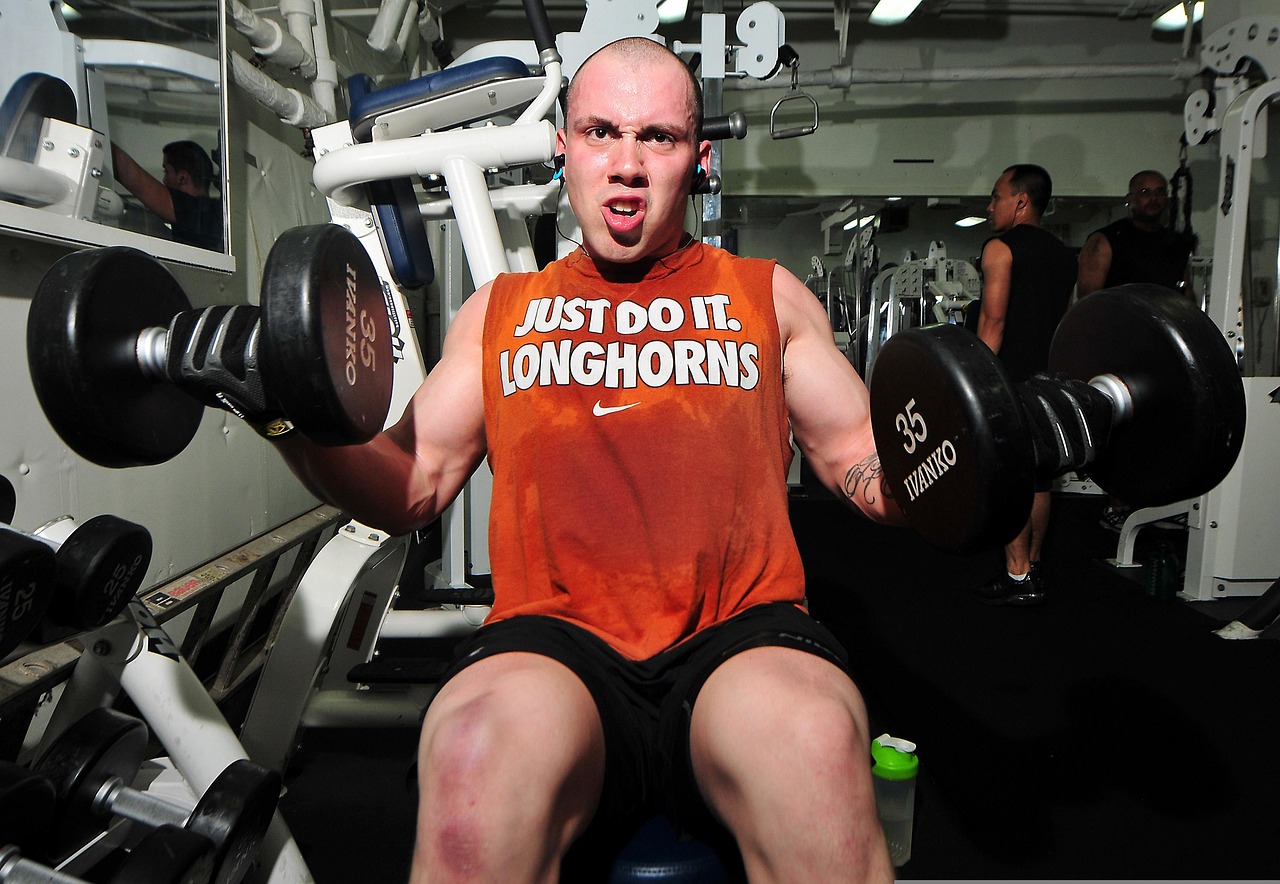
This article explains why researchers are chasing “higher-quality” weight loss, what each trial found, the safety signals so far and what to watch for next. If you are on a GLP-1 medicine now, our guide to muscle loss on GLP-1 medicines covers what you can do today, and our emerging medications tracker follows the wider pipeline. This is general education, not individual advice.
Why muscle became the next target
Any large weight loss, whether from diet, surgery or medicine, removes some lean mass along with fat. Lean mass is everything that is not fat: muscle, but also organs, bone and water, so a drop in lean mass is not the same as an equal drop in muscle. In the STEP 1 trial of semaglutide 2.4 mg (Wegovy), a body-scan substudy found that of 13.6 kg lost, about 62% was fat and 38% lean mass, according to a 2025 joint nutrition advisory from four obesity and nutrition societies. In Regeneron’s COURAGE trial, about 35% of the weight lost with semaglutide alone was lean mass.
Whether this matters for health is still debated. The approved Wegovy label notes greater fat loss than lean loss in its body-composition data, and some researchers think part of the lean loss is a normal adjustment to carrying less weight. The concern is greatest for older adults and people who already have low muscle, for whom losing strength can affect balance, mobility and independence. That is why drug makers are now testing medicines designed to tilt weight loss toward fat.
The muscle question in numbers
- 38%share of weight lost that was lean mass with semaglutide in a STEP 1 body-scan substudyJoint advisory, Obesity Pillars 2025
- 35%share of semaglutide weight loss that was lean mass in the COURAGE trial (company-reported)Regeneron, June 2, 2025
- 0medicines FDA approved to preserve muscle during weight loss
Checked on October 7, 2026
How these medicines are meant to work
Most candidates target the same natural brake on muscle growth. Myostatin and activin A are proteins that limit how much muscle the body builds and keeps. Blocking them, or the receptors they act on, lets muscle grow or resist breakdown. Bimagrumab (Eli Lilly) is an antibody that blocks type II activin receptors and is designed both to reduce fat, including deep belly fat, and to promote muscle growth. Trevogrumab (Regeneron) blocks myostatin, and garetosmab blocks activin A. Apitegromab (Scholar Rock) targets the inactive “pro” forms of myostatin before they switch on. Enobosarm (Veru) works differently: it is a daily pill from a group called selective androgen receptor modulators, designed to act on muscle and bone in a more targeted way than testosterone.
In the weight-loss trials, each of these is added to a GLP-1 medicine, semaglutide or tirzepatide, which does most of the weight-lowering work. Our GLP-1 medications guide explains how those work.
What the trials found
Bimagrumab plus semaglutide (BELIEVE, Phase 2). Published in Nature Medicine in March 2026, BELIEVE randomized 507 adults with obesity, without diabetes, to nine groups: placebo, bimagrumab infusions every 12 weeks, weekly semaglutide, or combinations. At 48 weeks, average weight change was -9.3 kg with high-dose bimagrumab, -14.2 kg with semaglutide 2.4 mg and -17.8 kg with the high-dose combination, vs -3.3 kg on placebo. In results presented at the 2025 American Diabetes Association meeting, the 72-week figures were -10.8% with bimagrumab, -15.7% with semaglutide and -22.1% with the combination. Lean mass fell 7.4% with semaglutide alone but only 2.9% with the combination, and rose 2.5% with bimagrumab alone. Common side effects with bimagrumab were muscle spasms, diarrhea and acne.
| Item | Value |
|---|---|
| Semaglutide 2.4 mg alone | 71.8% |
| Bimagrumab + semaglutide | 92.8% |
| Bimagrumab alone | 100% |
INVESTIGATIONAL: bimagrumab is not FDA approved. Phase 2, 507 adults; body composition by DXA scan. The rest of each group's loss was lean mass.
Source: BELIEVE results presented at ADA 2025, reported by Healio (June 23, 2025); trial published in Nature Medicine 2026 (checked on October 7, 2026)
Trevogrumab, with or without garetosmab, plus semaglutide (COURAGE, Phase 2). Regeneron’s interim results in June 2025 covered 599 adults. At 26 weeks, semaglutide alone led to 10.4% weight loss; adding lower- or higher-dose trevogrumab led to 9.9% and 11.3%, and the “triplet” with garetosmab to 13.2%. The add-ons preserved about half (50.8% and 51.3%) of the lean mass that would otherwise have been lost, and the triplet 80.9%. But the triplet came at a cost: 28.3% of people stopped treatment because of side effects, vs 4.6% on semaglutide alone, and two deaths occurred in that group, for which Regeneron said it had not identified a causal link. Full 52-week results presented in October 2026 (in press at The Lancet when we checked) reported that trevogrumab prevented about 70% of thigh-muscle loss on MRI; Regeneron’s next step is a Phase 2 trial in older adults.
| Item | Value |
|---|---|
| Semaglutide alone | 4.6% |
| + trevogrumab, lower dose | 4.1% |
| + trevogrumab, higher dose | 10.6% |
| + trevogrumab + garetosmab | 28.3% |
INVESTIGATIONAL for weight management. Phase 2, 599 adults with obesity. Two deaths occurred in the triplet group; the company did not identify a causal association.
Source: Regeneron interim COURAGE results, June 2, 2025 (company-reported) (checked on October 7, 2026)
Apitegromab plus tirzepatide (EMBRAZE, Phase 2). Published in Nature Medicine in 2026, this smaller trial gave 102 adults tirzepatide plus either apitegromab or placebo for 24 weeks. Total weight loss was similar (-11.2 kg vs -12.5 kg), but lean mass fell by 1.6 kg with apitegromab vs 3.5 kg with placebo, a difference of 1.9 kg. Fat made up 85.3% of the weight lost with apitegromab vs 69.5% without. Side effects were similar between groups. The authors note the trial was small, mostly women, short and excluded people with diabetes.
| Item | Value |
|---|---|
| Tirzepatide + placebo | 3.5 kg |
| Tirzepatide + apitegromab | 1.6 kg |
Apitegromab is INVESTIGATIONAL for weight management (FDA approved only for spinal muscular atrophy, as Isembyld). Phase 2, 102 adults.
Source: Pratley RE et al., Nature Medicine 2026 (EMBRAZE) (checked on October 7, 2026)
Enobosarm plus semaglutide (QUALITY, Phase 2b, and PLATEAU). Veru tested enobosarm in 168 adults aged 60 or older starting semaglutide. In topline results announced in January 2025, the company reported that enobosarm reduced lean-mass loss by 71% vs placebo at 16 weeks across both doses, with the 3 mg dose performing best. Those results are company-reported. Veru has since fully enrolled about 200 adults aged 65 or older with a BMI of 35 or more in a larger Phase 2b trial, PLATEAU, which measures weight at 68 weeks plus fat, lean mass, a stair-climb test of physical function and bone density. An interim look is expected in the first quarter of 2027 and final results in the fourth quarter of 2027, according to the company.
Bimagrumab plus tirzepatide. Lilly’s Phase 2 trial of 252 adults (NCT06643728) completed its primary data collection in January 2026, and an academic trial at Massachusetts General Hospital (NCT05933499) is still recruiting. We found no published results for either when we checked.
| Candidate (maker) | Type | Paired with | Stage for weight management | Other FDA status |
|---|---|---|---|---|
| Apitegromab (Scholar Rock) | Antibody to pro-myostatin | Tirzepatide | Phase 2 completed (EMBRAZE) | Approved for spinal muscular atrophy only (Isembyld, Sept 11, 2026) |
| Bimagrumab (Eli Lilly) | Activin type II receptor antibody | Semaglutide; tirzepatide | Phase 2 (BELIEVE published; tirzepatide trials ongoing) | None |
| Enobosarm (Veru) | Oral selective androgen receptor modulator | Semaglutide | Phase 2b (PLATEAU enrolled; results expected 2027) | None |
| Garetosmab (Regeneron) | Activin A antibody | Semaglutide + trevogrumab | Phase 2 (COURAGE triplet arm) | Approved for fibrodysplasia ossificans progressiva only (Pasatru, Aug 19, 2026) |
| Trevogrumab (Regeneron) | Myostatin antibody | Semaglutide | Phase 2 (COURAGE); older-adult trial planned | None |

What these results do not show yet
Stronger, not just heavier, muscles. The trials mostly measured lean mass with body scans. Keeping lean mass is a step, but what matters for daily life is strength, balance and function, such as climbing stairs or getting up from a chair. Veru’s PLATEAU trial includes a stair-climb test; results are not out. Until trials show better function, it is fair to call the benefit promising rather than proven.
Long-term safety. These trials lasted 16 to 72 weeks in a few hundred people each. Side effects such as muscle spasms and acne with bimagrumab, and the high drop-out rate with the garetosmab triplet, show that adding a second or third drug adds risks. Rare problems may only appear in much larger, longer trials.
Who would benefit most. Researchers expect older adults and people with low muscle to gain the most, but that has to be shown in those groups. Most trials so far enrolled middle-aged adults without diabetes.
Cost and access. Several of these are infusions or injections given on top of a GLP-1 medicine, which would add cost and complexity. Nothing is known yet about price or insurance coverage, because nothing is approved for this use.
What protects muscle today
The good news is that proven tools exist now, and they work alongside any weight-loss method. The 2025 joint advisory on nutrition during GLP-1 therapy recommends resistance (strength) training at least three times a week plus at least 150 minutes of moderate aerobic activity, tailored to the person, and protein of roughly 1.2 to 1.6 grams per kilogram of body weight a day during active weight loss, with a minimum of 0.4 to 0.5 g/kg. The U.S. Physical Activity Guidelines recommend muscle-strengthening activities on at least two days a week for all adults. In a 2021 trial in the New England Journal of Medicine, adults who had just lost weight on a low-calorie diet and then combined liraglutide with an exercise program kept off 9.5 kg more than with placebo over a year, and their body-fat percentage fell by 3.9 points, about twice as much as with exercise or liraglutide alone.
Protecting muscle on any weight-loss plan
- Lift or push somethingStrength training on two to three days a week; our strength training guide has beginner plans.
- Make protein a priorityAsk your clinician or dietitian what range fits you; our protein calculator shows common ranges.
- Keep moving most daysWalking counts toward the 150 minutes of aerobic activity in the guidelines.
- Track more than the scaleWaist, strength and how daily tasks feel tell you about body composition.
- Ask about monitoringSome clinicians use DXA scans or strength tests during treatment.
Our strength training guide and body recomposition guide show how to start safely, the high-protein diet page and protein calculator help with the protein side, and our comparison of ways to measure body fat explains what scales and scans can and cannot tell you. For keeping results after a GLP-1, see life after GLP-1 medicines.
What to watch for next
The next year should bring results from Lilly’s bimagrumab and tirzepatide trial, Veru’s PLATEAU interim analysis (expected in the first quarter of 2027) and the full COURAGE publication. The biggest question is whether any company takes a muscle-preserving combination into Phase 3 with strength and function as goals, which is what a future FDA decision would likely rest on. Newer weight-loss drugs in development are being watched for body composition too; our retatrutide results explainer covers one of them. For the approved options available today, see every FDA-approved weight-loss medication compared, and for this year’s wider developments, what’s new in weight loss in 2026.
Records in this article


Related guides
 GLP-1 Medication vs a Diet Program: Results, Costs and Trade-offsGLP-1 medication vs a diet program compared: average weight loss in STEP, SURMOUNT, Look AHEAD and…
 Ozempic vs Mounjaro: How the Two Diabetes Drugs DifferOzempic vs Mounjaro compared from the FDA labels and the SURPASS-2 head-to-head trial: approved uses, how…
 Fitness Tracker vs Smart Ring vs Smartwatch for Weight LossFitness band vs smart ring vs smartwatch for weight loss: maker-stated battery, price and membership checked…
 Cardio vs Strength Training for Weight Loss: What the Trials FoundCardio vs strength training for weight loss: what the STRRIDE AT/RT and LITOE trials found about…
Questions to ask a professional
- How much muscle am I likely to lose on my current plan, and should we measure it?
- What kind of strength training is safe for me to start?
- What protein range makes sense for me during weight loss?
- Would a clinical trial of a muscle-preserving medicine be an option for me?
Frequently asked questions
Is there a drug that prevents muscle loss on Ozempic or Wegovy?
Not an approved one. As of October 7, 2026, no medicine is FDA approved to preserve muscle during weight loss. Several are in Phase 2 trials alongside semaglutide or tirzepatide.
What is bimagrumab?
An investigational antibody from Eli Lilly that blocks type II activin receptors. In the Phase 2 BELIEVE trial, adding it to semaglutide led to more weight loss and a larger share of fat loss. It is not FDA approved for any use.
Is apitegromab approved?
Only for spinal muscular atrophy, as Isembyld (approved September 11, 2026). For muscle preservation during weight loss it is investigational; the EMBRAZE trial was a 24-week Phase 2 study.
When could a muscle-preserving weight-loss drug be available?
Not soon. The candidates are in Phase 2, and Phase 3 trials would usually be needed first. Veru expects final PLATEAU results in late 2027.
Are SARMs sold online the same as enobosarm?
No. Enobosarm is an investigational medicine studied in clinical trials. Products sold online as SARMs are unapproved and their contents are not verified.
How can I protect muscle on a GLP-1 medicine now?
Strength training on several days a week, regular aerobic activity and enough protein are the approaches recommended in a 2025 joint advisory. Ask your clinician or a dietitian what fits you.
References
- Mozaffarian D, Agarwal M, Aggarwal M, et al.. Nutritional priorities to support GLP-1 therapy for obesity: a joint advisory from ACLM, ASN, OMA and TOS. Obesity Pillars, 2025. doi:10.1016/j.obpill.2025.100181 · PMID 40673264 (accessed October 7, 2026) Guideline
- Heymsfield SB, Aronne LJ, Montgomery P, et al.. Bimagrumab plus semaglutide alone or in combination for the treatment of obesity: a randomized phase 2 trial (BELIEVE). Nature Medicine, 2026. doi:10.1038/s41591-026-04204-0 · PMID 41772149 · NCT05616013 (accessed October 7, 2026) Randomized trial
- Combination bimagrumab plus semaglutide confers weight loss while preserving lean mass (ADA 2025 presentation). Healio, 2025. (accessed October 7, 2026) News (reported facts only)
- Interim results from ongoing Phase 2 COURAGE trial (trevogrumab, garetosmab, semaglutide). Regeneron Pharmaceuticals (press release), 2025. NCT06299098 (accessed October 7, 2026) News (reported facts only)
- Phase 2 COURAGE trial confirms trevogrumab prevents lean mass and muscle loss (EASD 2026; in press at The Lancet). Regeneron Pharmaceuticals (press release), 2026. (accessed October 7, 2026) News (reported facts only)
- Pratley RE, et al.. Apitegromab for lean mass preservation during tirzepatide-induced weight loss: a randomized, double-blind, placebo-controlled phase 2 trial (EMBRAZE). Nature Medicine, 2026. doi:10.1038/s41591-026-04440-4 · NCT06445075 (accessed October 7, 2026) Randomized trial
- Enobosarm protects lean mass in topline Phase 2b trial results (QUALITY). HCPLive, 2025. (accessed October 7, 2026) News (reported facts only)
- Veru announces full enrollment for Phase 2b PLATEAU clinical trial of enobosarm and semaglutide. Veru Inc. (press release, via BioSpace), 2026. (accessed October 7, 2026) News (reported facts only)
- ISEMBYLD (apitegromab-mstn) injection: prescribing information (spinal muscular atrophy; BLA 761463 approved 2026-09-11). Scholar Rock (DailyMed). (accessed October 7, 2026) Drug label
- PASATRU (garetosmab-grts) injection: prescribing information (fibrodysplasia ossificans progressiva; BLA 761508 approved 2026-08-19). Regeneron (DailyMed). (accessed October 7, 2026) Drug label
- ClinicalTrials.gov: bimagrumab and tirzepatide, alone or in combination, in adults with obesity or overweight. U.S. National Library of Medicine. NCT06643728 (accessed October 7, 2026) Government page
- ClinicalTrials.gov: Effect of tirzepatide and bimagrumab on body composition, insulin sensitivity, and bone in adults with obesity. U.S. National Library of Medicine. NCT05933499 (accessed October 7, 2026) Government page
- Lundgren JR, Janus C, Jensen SBK, et al.. Healthy Weight Loss Maintenance with Exercise, Liraglutide, or Both Combined. New England Journal of Medicine, 2021. doi:10.1056/NEJMoa2028198 · PMID 33951361 · NCT04122716 (accessed October 7, 2026) Randomized trial
- Physical Activity Guidelines for Americans, 2nd edition: top 10 things to know. U.S. Department of Health and Human Services (ODPHP). (accessed October 7, 2026) Guideline
- WEGOVY (semaglutide) injection and tablets: prescribing information. Novo Nordisk, via DailyMed, 2026. (accessed October 7, 2026) Drug label
- FDA’s concerns with unapproved GLP-1 drugs used for weight loss. U.S. Food and Drug Administration, 2026. (accessed October 7, 2026) Government page
Facts checked on October 7, 2026
Educational information, not medical advice. Talk with a qualified healthcare professional about your own situation. In an emergency call 911.
Leave a Reply