Myth-buster
Do cold plunges, brown fat and saunas help weight loss? What human studies show: brown fat burns about 15 to 25 calories a day, and sauna weight loss is water. Checked October 7, 2026.
Key takeaways
- Cold-activated brown fat burns about 15 to 25 calories a day in adults with large deposits, less than a 10-minute brisk walk.[1]
- One hour in 14°C (57°F) water raised metabolic rate by 350%, mostly from shivering, and only while cold.[2]
- Six weeks of 2 hours a day at 17°C cut body fat by about 0.7 kg in 12 volunteers, with no significant change in body weight.[3]
- Weight lost in a sauna is sweat: 0.37 to 0.50 kg on average after two 10-minute sessions, regained with fluids.[11]
- Reviews find the evidence on cold-water immersion and body fat inconclusive, mostly from small studies.[8]
In short: Not much, on their own. Adults do have some brown fat, and cold switches it on, but careful measurements found it burns only about 15 to 25 extra calories a day in mild cold, less than a 10-minute brisk walk. Very cold water raises your calorie burn for as long as you shiver, yet no trial has shown that cold plunges lead to meaningful weight loss. The weight you lose in a sauna is sweat, and it comes back when you drink. Both can be pleasant habits, but they are not weight-loss tools.
Cold plunges, ice baths and “cold therapy” are everywhere on social media, often with the promise that they turn on fat-burning brown fat and fire up your metabolism. Saunas come with their own claims about sweating off pounds. This article checks those claims against human studies. For the bigger picture of how your body uses energy, see our guide to metabolism and weight; for foods sold as metabolism boosters, see metabolism-boosting foods: fact or fiction.
Cold, heat and calories at a glance
- 15-25 kcalextra calories a day burned by brown fat in mild cold, in adults with large brown-fat depositsMuzik O et al., J Nucl Med 2013
- 350%rise in metabolic rate during 1 hour in 14°C (57°F) water, mostly from shiveringSrámek P et al., Eur J Appl Physiol 2000
- 0.7 kgbody fat lost after 6 weeks of 2 hours a day at 17°C (63°F), with no change in body weight, in 12 volunteersYoneshiro T et al., J Clin Invest 2013
- 0.37-0.50 kgaverage weight lost in two 10-minute dry sauna sessions, almost all of it waterPodstawski R et al., 2014
Checked on October 7, 2026
What brown fat is, and how much of it adults have
Most body fat is white fat, which stores energy. Brown fat is different: it is packed with mitochondria and a protein called UCP1 that lets it turn energy straight into heat. Babies and small mammals depend on it to stay warm. Until 2009, most scientists thought adults had almost none. That year, studies in the New England Journal of Medicine showed that many adults do have active brown fat, mainly in a region from the front of the neck down into the chest.
How much depends on who you are and how cold it is. On PET-CT scans done for other medical reasons in nearly 2,000 people, clear brown-fat deposits showed up in 7.5% of women and 3.1% of men; they were less common in older people, in people taking beta-blockers and when the weather was warm. When researchers deliberately cooled 24 young men to 16°C (61°F), brown-fat activity appeared in 23 of them, but it was lower in men with overweight or obesity than in lean men. So brown fat is real and cold does activate it. The question is how much energy it actually uses.
How many calories does brown fat burn?
Much less than the headlines suggest. A 2013 study measured oxygen use directly inside brown fat with PET scans in 25 adults at rest and in mild cold (15.5°C, about 60°F). In the people with the most brown fat, about 59 grams on average, it added roughly 3 calories a day at rest and about 6 calories a day in the cold, by direct measurement. The authors concluded that cold-activated brown fat accounts for about 15 to 25 calories a day even in people with relatively large deposits, and called it “a minor source” of heat production in humans. Most of the extra energy you spend in the cold comes from muscles, through shivering and tensing.
Our calories burned calculator uses the same Compendium values, so you can check the walking numbers for your own weight and pace. For why a short walk adds up over time, see our guide to walking for weight loss.
Can you grow more brown fat with regular cold?
Somewhat, in the lab. In a Dutch study, 10 days of mild cold acclimation raised brown-fat activity and non-shivering heat production in volunteers, and people reported feeling more comfortable in the cold and shivering less. In a Japanese randomized study, 12 young adults with little brown fat spent 2 hours a day at 17°C (63°F) for six weeks, while 10 others kept to their normal routine. The cold group’s brown fat became more active and their body fat fell by about 0.7 kg (1.5 lb), or 5.2% of their fat mass; the control group’s did not change. Their body weight, however, did not change significantly.
Those are encouraging signals for research, and they come with big caveats: very small groups, two hours of cold every day (about 84 hours in total) and no change on the scale. In another small study, 10 days at 14-15°C (57-59°F) improved insulin sensitivity by about 43% in eight people with type 2 diabetes, but brown fat itself changed only a little; most of the effect was in muscle. None of these studies tested cold plunges, and none showed weight loss you would notice. Our guide to how to read a weight-loss study headline explains why small, short studies like these are a starting point, not an answer.

Cooler rooms, cold showers and “brown fat” supplements
What about everyday cold, such as a cooler bedroom or a cold shower? The Dutch researchers who ran the 10-day acclimation study suggested that a home or office temperature that varies, with frequent mild cold, might be an acceptable way to raise energy use a little. That is an idea for further research, not a tested weight-loss method, and the amounts involved are small. Comfort and sleep matter too; if a cold room keeps you awake, the trade-off is not worth it.
The same Japanese team also tested capsinoids, mild relatives of the compound that makes chili peppers hot. Six weeks of daily capsinoids raised cold-induced energy use in a small group of volunteers, but the study did not report weight loss from them. Supplements sold to “activate brown fat” rely on this kind of early evidence. Our article on metabolism-boosting foods shows how small the effects of chili, caffeine and green tea are in practice, and our guide to fat burners explains why the label claims run far ahead of the research.
The pattern is the same each time. Brown fat is a fascinating area of research, and scientists hope it could one day lead to treatments, but nothing you can do at home has been shown to turn it into a meaningful weight-loss engine. The big levers are still what you eat and how much you move.
Cold plunges and ice baths
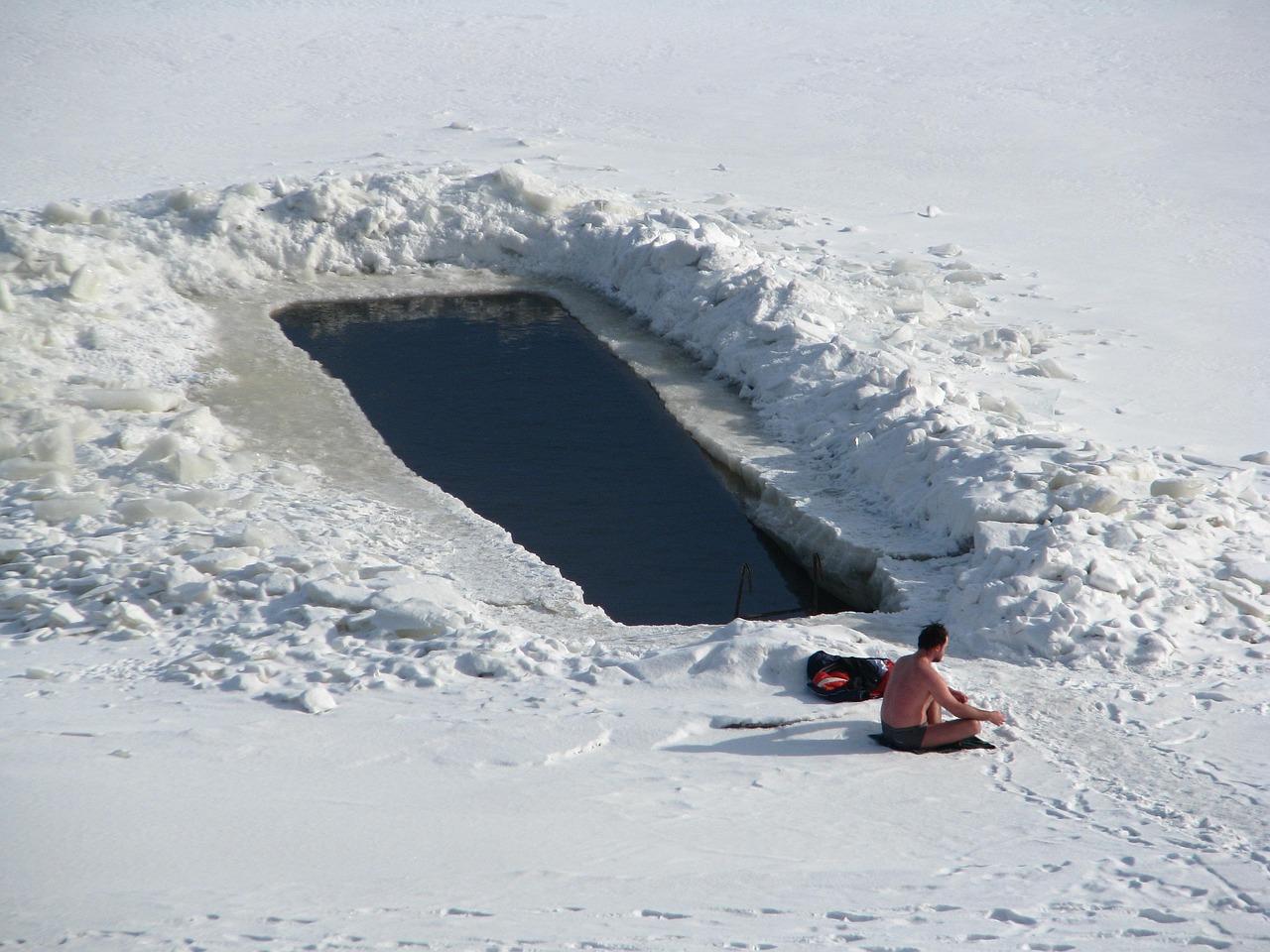
Cold water pulls heat from the body much faster than cold air, so your body works hard to stay warm. In a classic study, young men sat in water up to the neck for one hour. At 32°C (90°F), their metabolic rate did not change. At 20°C (68°F), it rose by 93%. At 14°C (57°F), it rose by 350%, along with large jumps in noradrenaline, heart rate and blood pressure. That is a real increase in calorie burn, but it lasts only while you are cold, it comes mostly from shivering, and an hour at that temperature is far beyond a typical 2- to 5-minute plunge.
| Item | Value |
|---|---|
| 32°C (90°F) | 0% |
| 20°C (68°F) | 93% |
| 14°C (57°F) | 350% |
Small laboratory study in young men; compared with sitting in room-temperature air. The rise lasts only during the cold exposure.
Source: Srámek P et al., European Journal of Applied Physiology 2000 (checked on October 7, 2026)
We found no randomized trial showing that regular cold plunges or cold-water swimming cause meaningful weight loss. A 2022 review of 104 studies on voluntary cold-water immersion found signs that it may change body fat and improve insulin sensitivity, but said clear conclusions were hampered because most studies were small, often in one sex, and used different temperatures; the authors called the topic “a continuing subject of debate”. A 2023 randomized cross-over trial in 18 rugby players found no effect of regular cold or hot water immersion after weight training on body composition. Winter swimmers may also simply be healthier people to begin with.
Many people enjoy cold plunges for how they feel afterward, and athletes use them for recovery; those are separate questions from weight. Our check of viral workout trends covers other social-media favorites with the same evidence lens.
Saunas: what the scale shows is water
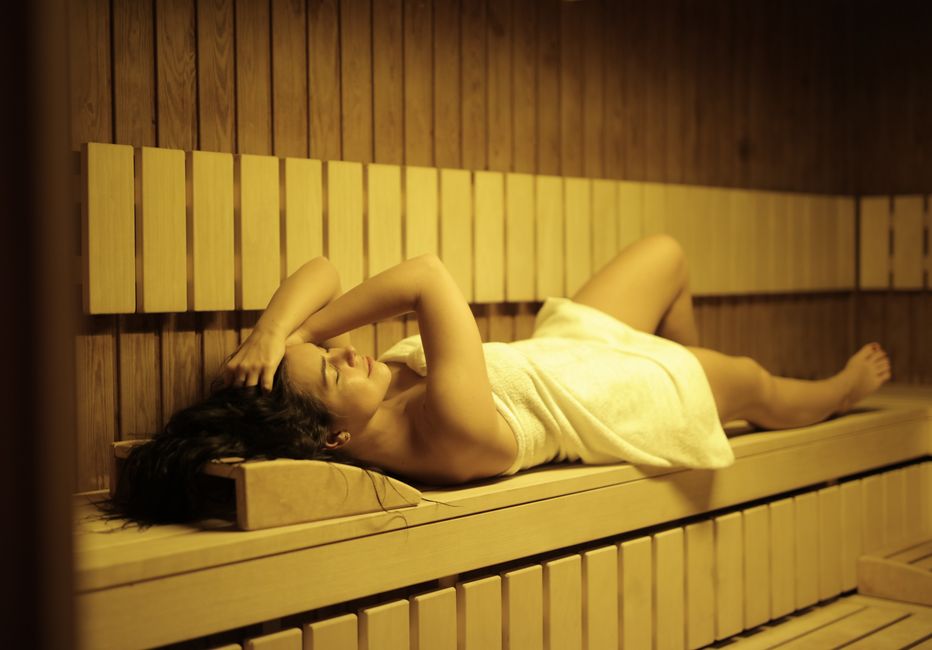
A sauna makes you sweat, and sweat weighs something. In a study of 674 university students, two 10-minute sessions in a 90°C (194°F) dry sauna reduced body weight by 0.37 kg (about 0.8 lb) in women and 0.50 kg (about 1.1 lb) in men on average; people with a higher BMI lost more. That weight is water, and it returns as soon as you rehydrate. The researchers’ practical advice was about the opposite of weight loss: people with a higher BMI should take particular care to replace fluids.
| Item | Value |
|---|---|
| Women (326) | 0.37 kg |
| Men (348) | 0.50 kg |
90°C dry sauna, 674 sedentary students aged 19-20. Body-mass loss from sweating; regained with fluids.
Source: Podstawski R et al., The Scientific World Journal 2014 (checked on October 7, 2026)
Sweating does not “detox” fat either; the kidneys and liver handle waste, as our article on detox teas and cleanses explains. And sauna suits, which make you sweat during exercise, have a long history as a weight-loss gimmick, covered in our history of weight-loss hoaxes.
Saunas may still be good for you in other ways. In a Finnish study that followed 2,315 middle-aged men for about 20 years, those who used a sauna 4 to 7 times a week had a lower risk of sudden cardiac death than those who went once a week, after adjusting for other risk factors. That is an observational link in a population where sauna is a lifelong habit, not proof that saunas cause the benefit, and it says nothing about weight. A review of sauna research found it well tolerated by healthy people and by people with stable, treated heart conditions, with one caution: blood pressure medicines can make you light-headed when you stand up afterward.
What does move the needle
The approaches with strong evidence are less exotic: a steady calorie deficit, regular activity you enjoy, strength training to protect muscle, enough sleep and, for some people, medical treatment. If you like cold plunges or saunas, there is no need to stop; just do not count them as your weight-loss plan. Our list of weight-loss myths science has busted and our guide to keeping weight off are good next reads.
If you enjoy the cold or the heat
- Keep it safeShort cold exposures, never alone, no alcohol; drink water before and after a sauna.
- Count it as recovery, not exerciseAdd a walk or a strength session for the calorie side.
- Check with your clinicianEspecially with heart disease, high blood pressure, pregnancy or diabetes.
Records in this article

Related guides
 Shapewear vs Compression Garments vs Waist TrainersShapewear, compression garments and waist trainers compared: what each does and doesn't do, compression levels in…
 Weight-Loss Meal Plan: A 7-Day Plan at 1,500 and 1,800 CaloriesA free 7-day weight-loss meal plan at 1,500 and 1,800 calories, with grams and calories for…
 Alternate-Day Fasting vs 16:8 vs 5:2: Fasting Methods ComparedTypes of intermittent fasting compared: 16:8, 5:2 and alternate-day fasting, what a week looks like on…
 GLP-1 Medication vs a Diet Program: Results, Costs and Trade-offsGLP-1 medication vs a diet program compared: average weight loss in STEP, SURMOUNT, Look AHEAD and…
Questions to ask a professional
- Is it safe for me to try cold plunges or saunas with my heart health and medicines?
- Could any of my medicines make me light-headed after a sauna?
- What kind of activity would help me most with weight, given my health?
- Does my metabolism need any testing, or is it likely normal?
Frequently asked questions
Do cold plunges help you lose weight?
Not in any meaningful way that has been shown in trials. Very cold water raises your calorie burn while you shiver, but we found no randomized trial showing that regular cold plunges lead to noticeable weight loss.
How many calories does brown fat burn?
Direct measurements suggest about 15 to 25 calories a day in mild cold, even in adults with relatively large brown-fat deposits. Most of the extra energy used in the cold comes from muscles shivering.
Can you lose weight in a sauna?
The scale drops because you sweat: about 0.4 to 0.5 kg (around 1 lb) after two 10-minute sessions in one study. It is water, and it comes back when you drink. Replace fluids after a sauna.
Can I increase my brown fat?
Small lab studies show that daily cold exposure for 10 days to 6 weeks can make brown fat more active. The effect on body fat was small and body weight did not change, so it is not a practical weight-loss method.
Are cold plunges safe?
They can be risky. Cold shock can cause involuntary gasping and fast breathing, and cold water is linked to drowning, cardiac arrest and hypothermia. Talk to your clinician first if you have a heart condition or high blood pressure, and never plunge alone.
References
- Muzik O, Mangner TJ, Leonard WR, Kumar A, Janisse J, Granneman JG. 15O PET measurement of blood flow and oxygen consumption in cold-activated human brown fat. Journal of Nuclear Medicine, 2013. PMID 23362317 (accessed October 7, 2026) Other
- Srámek P, Simecková M, Janský L, Savlíková J, Vybíral S. Human physiological responses to immersion into water of different temperatures. European Journal of Applied Physiology, 2000. PMID 10751106 (accessed October 7, 2026) Other
- Yoneshiro T, Aita S, Matsushita M, et al.. Recruited brown adipose tissue as an antiobesity agent in humans. Journal of Clinical Investigation, 2013. PMID 23867622 (accessed October 7, 2026) Randomized trial
- van der Lans AA, Hoeks J, Brans B, et al.. Cold acclimation recruits human brown fat and increases nonshivering thermogenesis. Journal of Clinical Investigation, 2013. PMID 23867626 (accessed October 7, 2026) Other
- Cypess AM, Lehman S, Williams G, et al.. Identification and importance of brown adipose tissue in adult humans. New England Journal of Medicine, 2009. PMID 19357406 (accessed October 7, 2026) Other
- van Marken Lichtenbelt WD, Vanhommerig JW, Smulders NM, et al.. Cold-activated brown adipose tissue in healthy men. New England Journal of Medicine, 2009. PMID 19357405 (accessed October 7, 2026) Other
- Hanssen MJ, Hoeks J, Brans B, et al.. Short-term cold acclimation improves insulin sensitivity in patients with type 2 diabetes mellitus. Nature Medicine, 2015. PMID 26147760 (accessed October 7, 2026) Other
- Esperland D, de Weerd L, Mercer JB. Health effects of voluntary exposure to cold water: a continuing subject of debate. International Journal of Circumpolar Health, 2022. PMID 36137565 (accessed October 7, 2026) Review
- No effect of repeated post-resistance exercise cold or hot water immersion on in-season body composition and performance responses in academy rugby players: a randomised controlled cross-over design. European Journal of Applied Physiology, 2023. PMID 36284024 (accessed October 7, 2026) Randomized trial
- Tipton MJ, Collier N, Massey H, Corbett J, Harper M. Cold water immersion: kill or cure?. Experimental Physiology, 2017. PMID 28833689 (accessed October 7, 2026) Review
- Podstawski R, Boraczyński T, Boraczyński M, et al.. Sauna-induced body mass loss in young sedentary women and men. The Scientific World Journal, 2014. PMID 25614882 (accessed October 7, 2026) Other
- Laukkanen T, Khan H, Zaccardi F, Laukkanen JA. Association between sauna bathing and fatal cardiovascular and all-cause mortality events. JAMA Internal Medicine, 2015. PMID 25705824 (accessed October 7, 2026) Other
- Kukkonen-Harjula K, Kauppinen K. Health effects and risks of sauna bathing. International Journal of Circumpolar Health, 2006. PMID 16871826 (accessed October 7, 2026) Review
- Cold Water Hazards and Safety (cold shock response). National Weather Service. (accessed October 7, 2026) Government page
- 2024 Adult Compendium (activity lists and PDF). Compendium of Physical Activities, 2024. (accessed October 7, 2026) Other
Facts checked on October 7, 2026
Educational information, not medical advice. Talk with a qualified healthcare professional about your own situation. In an emergency call 911.
Leave a Reply