
Category: Scales & trackers

  • 10 Best Smart Rings and Sleep Trackers (2026)

    10 Best Smart Rings and Sleep Trackers (2026)

    In short: Our top researched pick is the Oura Ring 5 ($399 plus a $5.99-a-month membership), because Oura is the ring brand with the most sleep research behind it. If you would rather skip a subscription, the RingConn Gen 3 ($349) offers up to 14 days of battery with every feature included, and Samsung Galaxy phone owners get a well-matched, subscription-free ring in the Samsung Galaxy Ring (from $299.99). Whichever you choose, use it to protect your sleep, not to judge every night.

    Interracial couple smiling and bonding over coffee on a sunny balcony in an urban setting.
    Photo: Mizuno K / Pexels

    Specifications and prices are maker-stated and were checked on October 7, 2026. We research; we don’t test. If you are still deciding between a ring, a band and a watch, start with our side-by-side fitness tracker vs smart ring vs smartwatch comparison; for wrist bands chosen mainly for steps, see the best fitness trackers for weight loss. This list focuses on devices people wear to bed: rings, plus three bands and one arm strap that track sleep well enough to be worth a look. More gear guides live in our gear hub.

    The picks

    Every product below was on sale to U.S. buyers on the maker’s own store when we checked. We searched the U.S. Consumer Product Safety Commission’s recall database for every brand on the list; the results are in the safety section further down.

    10 smart rings and sleep trackers, researched

    1. 1. Oura Ring 5

      Best for The ring with the most sleep research behind the brand

      • 6 to 9 days of battery
      • waterproof to 100 m (IP68)
      • app for iPhone and Android

      Maker-stated specs

      Price $399 plus $5.99 a month or $69.99 a year (checked Oct 7, 2026)

      Drawback Most insights need the paid Oura Membership

    2. 2. RingConn Gen 3

      Best for A ring with no subscription and a two-week battery

      • Up to 14 days of battery
      • charging case included
      • iPhone and Android
      • sizes 6 to 15

      Maker-stated specs

      Price $349 (checked Oct 7, 2026)

      Drawback Uses its own sizing, so order the free sizing kit; no peer-reviewed sleep study of this model yet

    3. 3. Samsung Galaxy Ring

      Best for Samsung Galaxy phone owners

      • Up to 7 days of battery (sizes 12 and 13
      • up to 6 days for smaller sizes)
      • 10ATM and IP68
      • sleep score, sleep stages and snore detection

      Maker-stated specs

      Price From $299.99 (checked Oct 7, 2026)

      Drawback Needs a compatible Samsung Galaxy phone

    4. 4. RingConn Gen 2 Air

      Best for The lowest-priced ring

      • Up to 10 days of battery
      • IP68, 100 m
      • 2.5 to 4 g
      • iOS 17 or later, Android 10 or later

      Maker-stated specs

      Price $159 (regular price $199) (checked Oct 7, 2026)

      Drawback No sleep apnea monitoring, unlike RingConn's pricier rings

    5. 5. Ultrahuman Ring Pro

      Best for The longest battery, with no subscription

      • Up to 15 days of battery (up to 45 days with the charging case)
      • water resistant to 100 m
      • 3.3 to 4.8 g

      Maker-stated specs

      Price $479 (checked Oct 7, 2026)

      Drawback The most expensive ring on the list

    6. 6. Circular Ring 2

      Best for People who want an ECG reading on a ring

      • Up to 7 days of battery
      • water resistant to 50 m for up to 30 minutes
      • 4 g titanium

      Maker-stated specs

      Price $349 (checked Oct 7, 2026)

      Drawback Short 14-day return window, for unused rings only

    7. 7. Garmin Index Sleep Monitor

      Best for Sleep tracking with nothing on your hand or wrist

      • Soft upper-arm band
      • up to 7 nights of battery with Pulse Ox
      • 5 ATM
      • sleep stages, HRV and skin temperature

      Maker-stated specs

      Price $169.99 (checked Oct 7, 2026)

      Drawback Built for sleep, so you need another device for daytime steps

    8. 8. Fitbit Inspire 3

      Best for The lowest price for sleep plus steps

      • Up to 10 days of battery
      • light, deep and REM sleep stages with Sleep Score
      • 5 ATM

      Maker-stated specs

      Price $99.95 (checked Oct 7, 2026)

      Drawback Needs a Google Account; uses your phone's GPS for walks

    9. 9. Fitbit Charge 6

      Best for One band for sleep and outdoor walks

      • 7-day battery
      • built-in GPS
      • sleep stages, Sleep Score and Smart Wake alarm

      Maker-stated specs

      Price $159.95 (checked Oct 7, 2026)

      Drawback Some score breakdowns need a paid Google Health Premium plan

    10. 10. Amazfit Helio Strap Pro

      Best for Active people who want a screenless strap

      • Up to 11 days of battery
      • 5 ATM
      • sleep stages, HRV, naps and breathing quality in the free Zepp app

      Maker-stated specs

      Price $199.99 (checked Oct 7, 2026)

      Drawback Designed mainly for training, with no screen

    All 10 picks compared

    #PickBest forKey specs (maker-stated)Price rangeLast checked
    1Oura Ring 5The ring with the most sleep research behind the brand6 to 9 days of battery; waterproof to 100 m (IP68); app for iPhone and Android$399 plus $5.99 a month or $69.99 a yearOct 7, 2026
    2RingConn Gen 3A ring with no subscription and a two-week batteryUp to 14 days of battery; charging case included; iPhone and Android; sizes 6 to 15$349Oct 7, 2026
    3Samsung Galaxy RingSamsung Galaxy phone ownersUp to 7 days of battery (sizes 12 and 13; up to 6 days for smaller sizes); 10ATM and IP68; sleep score, sleep stages and snore detectionFrom $299.99Oct 7, 2026
    4RingConn Gen 2 AirThe lowest-priced ringUp to 10 days of battery; IP68, 100 m; 2.5 to 4 g; iOS 17 or later, Android 10 or later$159 (regular price $199)Oct 7, 2026
    5Ultrahuman Ring ProThe longest battery, with no subscriptionUp to 15 days of battery (up to 45 days with the charging case); water resistant to 100 m; 3.3 to 4.8 g$479Oct 7, 2026
    6Circular Ring 2People who want an ECG reading on a ringUp to 7 days of battery; water resistant to 50 m for up to 30 minutes; 4 g titanium$349Oct 7, 2026
    7Garmin Index Sleep MonitorSleep tracking with nothing on your hand or wristSoft upper-arm band; up to 7 nights of battery with Pulse Ox; 5 ATM; sleep stages, HRV and skin temperature$169.99Oct 7, 2026
    8Fitbit Inspire 3The lowest price for sleep plus stepsUp to 10 days of battery; light, deep and REM sleep stages with Sleep Score; 5 ATM$99.95Oct 7, 2026
    9Fitbit Charge 6One band for sleep and outdoor walks7-day battery; built-in GPS; sleep stages, Sleep Score and Smart Wake alarm$159.95Oct 7, 2026
    10Amazfit Helio Strap ProActive people who want a screenless strapUp to 11 days of battery; 5 ATM; sleep stages, HRV, naps and breathing quality in the free Zepp app$199.99Oct 7, 2026

    Why these picks, and in this order

    For gear we rank in a fixed order: safety and recalls first, then fit for the job, then maker-stated specs against the full price (including any subscription), then warranty and returns, then data privacy. Commissions never play a part. Every brand here cleared the first step: we found no recall for any current model on the list.

    • Oura Ring 5 (1). The job here is sleep tracking, and Oura has the deepest published record of testing its rings against polysomnography, the lab sleep test. It also has the longest return window and a clear privacy policy. It ranks first despite the membership, which you should count in the price.
    • RingConn Gen 3 (2). Strong specs for the money: up to 14 days of battery, a charging case and no subscription. It ranks below Oura because we found no peer-reviewed sleep validation of RingConn rings, and its return window is shorter.
    • Samsung Galaxy Ring (3). No subscription and a fair price, with sleep stages and snore detection. It only fits people with a compatible Galaxy phone, which narrows who it suits.
    • RingConn Gen 2 Air (4). The cheapest way into a ring at $159, with up to 10 days of battery. It drops the sleep apnea monitoring of RingConn’s other rings.
    • Ultrahuman Ring Pro (5) and Circular Ring 2 (6). Both skip the subscription. The Ring Pro has the longest battery but the highest price; the Circular adds an ECG but has the shortest battery and a 14-day return window.
    • Picks 7 to 10. Not rings, but good sleep trackers for people who don’t want one. Garmin’s arm band is made just for nights. The Fitbit bands cover sleep and daily steps at lower prices, and Amazfit’s strap suits people who train hard.

    A note on Ultrahuman and the U.S. patent ruling

    In 2025 the U.S. International Trade Commission ruled that Ultrahuman and RingConn rings infringed an Oura patent, and import bans took effect on October 21, 2025. RingConn then signed a patent license with Oura, so its rings stay on sale in the U.S. Ultrahuman redesigned its ring; U.S. Customs and Border Protection cleared the new Ring Pro for import in March 2026, and Ultrahuman’s U.S. store sells it. The older Ultrahuman Ring Air still appears on that store, but new units can’t be imported under the ban, so we left it off this list. Ask any seller about warranty support before buying older stock.

    The real price: device plus membership

    A subscription can turn the cheaper-looking ring into the more expensive one. Oura Membership costs $5.99 a month or $69.99 a year in the U.S., with a free first month for new members. Oura says the ring and app still work without it, but the insights and data you get are “much more limited.” RingConn, Ultrahuman, Circular and Amazfit all say on their product pages that no subscription is needed, and Samsung’s ring pages listed none. On the Fitbit bands, Google Health Premium is optional and unlocks extra breakdowns.

    Two-year cost: device plus any required membershipValues in USD
    Two-year cost: device plus any required membership
    ItemValue
    Oura Ring 5 (with annual membership)$538.98 USD
    Ultrahuman Ring Pro$479 USD
    RingConn Gen 3$349 USD
    Circular Ring 2$349 USD
    Samsung Galaxy Ring$299.99 USD
    Amazfit Helio Strap Pro$199.99 USD
    Garmin Index Sleep Monitor$169.99 USD
    RingConn Gen 2 Air$159 USD
    Fitbit Charge 6$159.95 USD
    Fitbit Inspire 3$99.95 USD

    Oura = $399 ring + 2 x $69.99 annual membership. Optional plans (such as Google Health Premium) are not included. List prices before tax, sales or trade-ins.

    Source: Maker store pages: ouraring.com, ultrahuman.com, ringconn.com, circular.xyz, samsung.com, us.amazfit.com, garmin.com, Google Store (checked on October 7, 2026)

    Battery life: why it matters for sleep

    A sleep tracker sitting on its charger misses the night. The longer the battery, the fewer gaps in your sleep record, and the easier it is to spot a real trend. Most devices here last about a week; the RingConn Gen 3 and Ultrahuman Ring Pro stretch to two weeks.

    Maker-stated battery life of each pickValues in days
    Maker-stated battery life of each pick
    ItemLowHigh
    Samsung Galaxy Ring6 days7 days
    Oura Ring 56 days9 days
    Circular Ring 27 days7 days
    Garmin Index Sleep Monitor7 days7 days
    Fitbit Charge 67 days7 days
    RingConn Gen 2 Air10 days10 days
    Fitbit Inspire 310 days10 days
    Amazfit Helio Strap Pro11 days11 days
    RingConn Gen 314 days14 days
    Ultrahuman Ring Pro15 days15 days

    Best-case figures. Galaxy Ring: up to 6 days for smaller sizes, 7 for sizes 12 and 13. Garmin rates the Index in nights. Ultrahuman Ring Pro: up to 45 days with its charging case.

    Source: Maker product pages (ouraring.com, samsung.com, circular.xyz, garmin.com, Google Store, ringconn.com, us.amazfit.com, ultrahuman.com) (checked on October 7, 2026)

    How accurate is ring sleep tracking?

    Polysomnography, the overnight lab test, measures brain waves, eye movements and muscle activity. A ring or band only sees your pulse, movement and skin temperature, then estimates sleep from those. Studies that compare the two tell a consistent story: consumer devices are good at telling when you are asleep, weaker at spotting when you are awake, and least reliable on sleep stages.

    Oura Ring Gen3 vs lab sleep studies (96 adults, up to 3 nights each)

    Checked on October 7, 2026

    In that study of 96 healthy Japanese adults aged 20 to 70, the Oura Ring did not differ significantly from the lab test for total sleep time, time to fall asleep, time awake after falling asleep, light sleep or deep sleep. The authors reported funding from Oura, and the ring tested was the older Gen3, so the Ring 5 has not been studied in the same way yet.

    Independent work points the same way. In a U.S. Navy lab study of seven consumer sleep trackers in 34 adults, every device detected sleep well (sensitivity 0.93 or higher), but wake detection ranged widely, from 0.18 to 0.54. A one-night lab study of 35 adults found the Oura Ring Gen3, Fitbit Sense 2 and Apple Watch Series 8 all told sleep from wake with sensitivity of 95% or more; the Fitbit underestimated deep sleep by about 15 minutes. And a 2025 meta-analysis of six studies with 388 people found the Oura Ring’s total sleep time differed from lab results by about 3 minutes on average, a difference that was not statistically significant.

    What independent sleep studies found

    Checked on October 7, 2026

    We found no peer-reviewed lab validation of the Samsung Galaxy Ring, RingConn, Ultrahuman, Circular, Garmin Index or Amazfit Helio Strap Pro when we searched PubMed on October 7, 2026. That doesn’t mean they are inaccurate, only that the evidence isn’t published yet. The practical takeaway is the same for all of them: trust your total sleep time and your weekly trend, and treat the deep-versus-REM split as a rough guide.

    Four friends sipping coffee and walking through a park together in casual attire.
    Photo: MART PRODUCTION / Pexels

    Why sleep matters when you are losing weight

    Sleep is one of the quieter levers in weight management. A meta-analysis of studies with more than 600,000 adults and children found that short sleepers were more likely to have obesity: the pooled odds were 1.55 times higher in adults. Those studies were mostly cross-sectional, so they can’t show that short sleep causes weight gain.

    A randomized trial did test the idea directly. Researchers at the University of Chicago enrolled 80 adults with overweight who usually slept less than 6.5 hours a night. After a single sleep-hygiene counseling session, the sleep-extension group slept about 1.2 hours more per night and ate about 270 fewer calories a day than the control group, with no prescribed diet. Their energy expenditure didn’t change, so they ended up in a calorie deficit and lost weight compared with the controls.

    Sleep and weight: the research

    Checked on October 7, 2026

    That is where a sleep tracker earns its place: as a nudge toward a steadier bedtime. Sleep fits alongside the other habits that help you slim down and the habits that help keep weight off, and our guide to maintaining weight loss explains why routines like this matter most after the first months. If you are working toward a calorie deficit, better sleep may make it easier to stick with.

    How to choose a smart ring or sleep tracker

    1. Your phone. The Galaxy Ring needs a compatible Samsung Galaxy phone. Oura and RingConn work with iPhone and Android; RingConn lists iOS 17 or Android 10 or later for the Gen 2 Air, and Fitbit lists Android 11 or iOS 16.4 or later for the Inspire 3.
    2. Ring or not. Rings are discreet and easy to sleep in. If rings bother you, or you lift weights and grip bars, an arm band like the Garmin Index or a wrist band may suit you better.
    3. Size first. Ring sizes differ between brands, and RingConn’s Gen 3 uses its own sizing. Order the maker’s sizing kit and wear the sample for a day and a night before you buy.
    4. Total cost. Add two years of any required membership, as in the chart above. A ring with no subscription can come out cheaper over time.
    5. Returns and warranty. Oura gives 30 days to return a ring bought from its store, and a 1-year warranty. RingConn and Circular give 14 days (Circular for unused rings only) and 1 year of warranty. Ultrahuman lists a 12-month warranty for new rings and 30-day returns for the Ring Air; its terms we read did not name the Ring Pro. Check the store’s current terms before you order.
    6. Battery. If you want an unbroken sleep record, look for 7 days or more, and charge it at the same time each week, such as while you shower.

    Your sleep data and privacy

    Sleep trackers collect sensitive data: heart rate, temperature, cycle tracking and, on some, location. Here is what the makers’ own privacy policies said when we read them on October 7, 2026:

    • Oura (policy dated June 15, 2026) says it does not sell or rent personal information and does not use sensitive personal information for targeted advertising. You can ask for your account to be deleted.
    • Ultrahuman (updated September 13, 2026) says it will never sell your data to third parties, but it may use and share de-identified or aggregated data. Deletion requests go to its support email.
    • RingConn (updated November 17, 2025) says it does not sell personal data. Its store shares shopping and device data with ad platforms, and data may be stored outside your country.
    • Samsung‘s U.S. privacy policy (July 20, 2026) says some of its sharing may count as a “sale” or targeted advertising under certain state laws, and offers an opt-out. Health data falls under a separate consumer health data statement that includes a right to delete it.
    • Fitbit‘s privacy policy (Google) says it never sells users’ personal information. Deleted data can take up to 90 days to clear from all systems, including backups.

    We could not read the full privacy policies of Circular, Garmin or Amazfit (Zepp) on the day we checked, so read them in the app before pairing. Turn off sharing you don’t need and note how to export or delete your data.

    Safety and recalls

    We searched the CPSC recall database on October 7, 2026 for Oura, Samsung, RingConn, Ultrahuman, Circular, Garmin, Amazfit (and its parent company Zepp) and Fitbit. We found no recall of any smart ring or of any product on this list. Fitbit has two past recalls of models not listed here: the Ionic smartwatch in March 2022 (about 1 million sold in the U.S.; the battery could overheat, with 78 U.S. reports of burns; Fitbit offered a $299 refund), and the Force wristband in 2014 (about 1 million sold; skin allergic reactions; full refund). Samsung’s recalls cover phones and appliances, including the Galaxy Note7 phone in 2016, but no wearables.

    What a sleep tracker can’t do

    These devices don’t diagnose sleep apnea, insomnia or any other condition, even those that show breathing or “apnea pattern” features. Circular, for example, describes its Ring 2 as a wellness device, not a medical device. Loud snoring, gasping at night or heavy daytime sleepiness are reasons to talk with a clinician, whatever your ring says. Trackers also estimate calories burned poorly, as our tracker comparison explains, so set your eating target with our TDEE calculator rather than the app’s burn number.

    Finally, a score is not a verdict. Some people sleep worse when they worry about their numbers. If checking the app every morning makes you anxious, look only at the weekly view, or take a break. The habit is what helps: a regular bedtime, daylight and a daily walk, and two or more days of strength training a week.

    Related gear and guides

    A smart scale shows the slow weight trend that better sleep and more movement support, and our guide to tracking progress without a scale covers other ways to see change. To understand why calorie needs vary, read our metabolism guide. The full method behind every list is on our how we choose page.

    Sources and last checked

    Specifications, prices, availability and return terms were read on October 7, 2026 on ouraring.com and Oura support, ringconn.com, samsung.com, ultrahuman.com, circular.xyz, garmin.com and Garmin’s owner’s manual, the Google Store (Fitbit) and us.amazfit.com. Study figures come from the papers’ own abstracts on PubMed. Recall checks used the CPSC recall database the same day. Updated: first published October 2026.

  • 10 Best Fitness Trackers for Weight Loss (2026)

    10 Best Fitness Trackers for Weight Loss (2026)

    In short: Our top researched pick for weight loss is the Fitbit Charge 6 ($159.95): a slim band with built-in GPS, 24/7 heart rate and a battery the maker rates at 7 days. Garmin users will feel at home with the Garmin vivosmart 5 ($149.99), and the Amazfit Bip 6 ($69.99 to $79.99) offers up to 14 days of battery and a free app at the lowest price. Whatever you choose, trust a tracker’s step count far more than its calorie count.

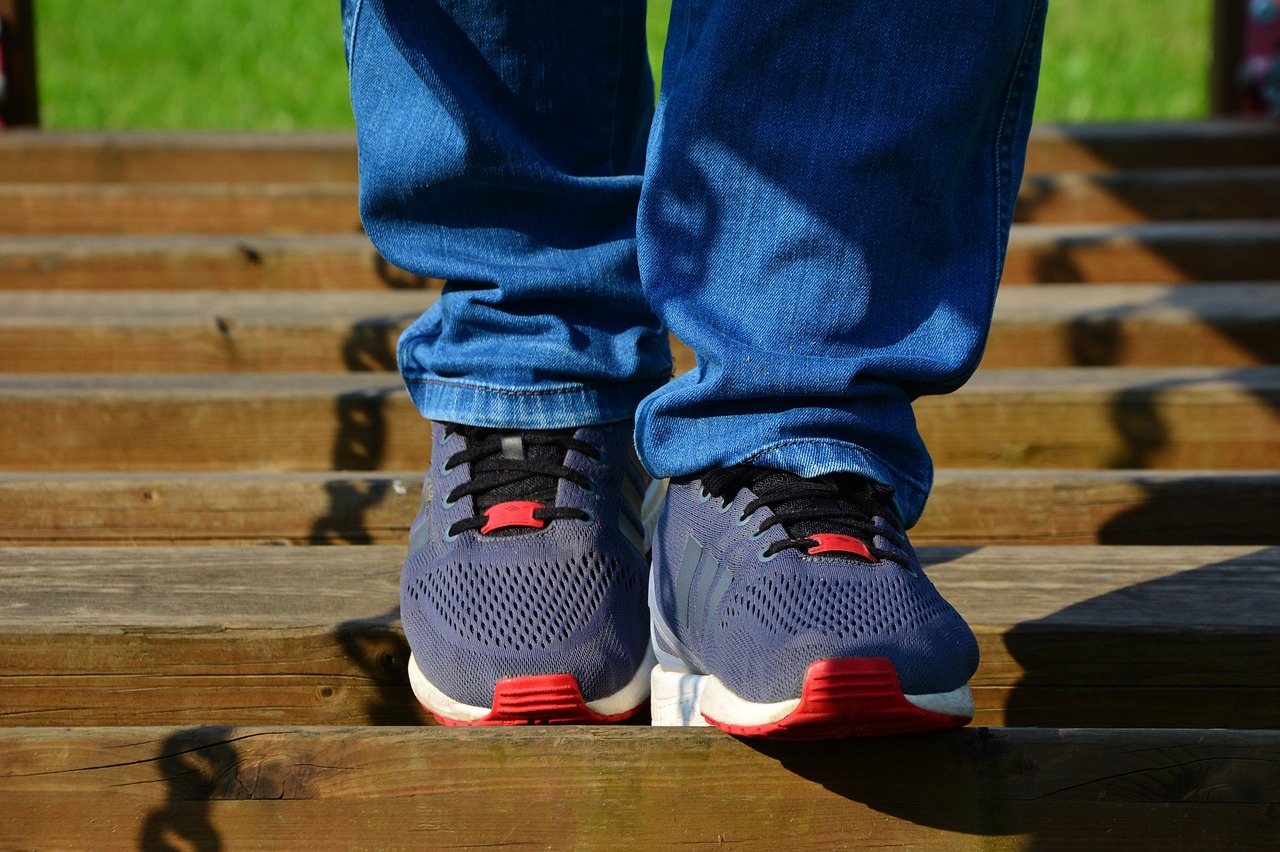
    Walk, legs, running, feet, shoes, move, young man, balance, wooden planks, corridor, feet, feet, feet, feet, feet
    Photo: congerdesign / Pixabay

    Specifications and prices are maker-stated and were checked on October 6, 2026. We research; we don’t test. A tracker is a nudge, not a calorie meter: it helps most when you use it to walk more and sit less, as our guide to walking for weight loss explains.

    The picks

    We checked the U.S. Consumer Product Safety Commission’s recalls on October 6, 2026. The one relevant recall we found was for the Fitbit Ionic smartwatch in 2022 (battery overheating and burns); the Ionic is discontinued and is not on this list, and we found no recall for the current models below.

    10 fitness trackers, researched

    1. 1. Fitbit Charge 6

      Best for Most people: a slim band that tracks walks without a phone

      • Built-in GPS
      • 24/7 heart rate, steps and Active Zone Minutes
      • up to 7 days of battery

      Maker-stated specs

      Price $159.95 (checked Oct 6, 2026)

      Drawback Some insights, such as the daily readiness score, need a paid Google Health Premium membership

    2. 2. Garmin vivosmart 5

      Best for A simple band in the Garmin app ecosystem

      • Up to 7 days of battery
      • water rated 5 ATM
      • connected GPS through your phone

      Maker-stated specs

      Price $149.99 (checked Oct 6, 2026)

      Drawback No GPS of its own: your phone must come along to map a walk

    3. 3. Amazfit Bip 6

      Best for The lowest price with long battery life

      • Up to 14 days of battery
      • AMOLED display, 140+ workout modes
      • free Zepp app with food tracking

      Maker-stated specs

      Price $69.99 to $79.99 (checked Oct 6, 2026)

      Drawback A watch-size body, bulkier than a slim band

    4. 4. Fitbit Inspire 3

      Best for A light, low-cost band for steps and sleep

      • Up to 10 days of battery
      • 24/7 heart rate
      • water rated 5 ATM

      Maker-stated specs

      Price $99.95 (checked Oct 6, 2026)

      Drawback Uses your phone's GPS for pace and distance

    5. 5. Garmin vivoactive 5

      Best for Walkers who also run, ride or swim

      • Up to 11 days in smartwatch mode
      • up to 21 hours with GPS
      • built-in GPS

      Maker-stated specs

      Price $269.99 (checked Oct 6, 2026)

      Drawback Nearly twice the price of the bands above

    6. 6. Apple Watch SE 3

      Best for iPhone users who want a full smartwatch

      • Up to 18 hours of normal use
      • built-in GPS
      • workout tracking

      Maker-stated specs

      Price From $249 (checked Oct 6, 2026)

      Drawback Needs an iPhone and a charge most days

    7. 7. Google Fitbit Air

      Best for A newer Fitbit tracker at a band price

      • 24/7 heart rate, steps, distance and Active Zone Minutes
      • water-resistant design
      • up to a week of battery

      Maker-stated specs

      Price $99.99 (checked Oct 6, 2026)

      Drawback A new model, with little independent accuracy research yet

    8. 8. Fitbit Versa 4

      Best for A Fitbit smartwatch with a larger screen

      • Built-in GPS
      • 6+ days of battery
      • a day's charge in about 12 minutes

      Maker-stated specs

      Price $199.95 (checked Oct 6, 2026)

      Drawback Shorter battery than the Fitbit bands

    9. 9. Apple Watch Series 12

      Best for iPhone users who want the longest Apple battery

      • Up to 24 hours of normal use
      • up to 10 hours of workout tracking
      • built-in GPS

      Maker-stated specs

      Price From $399 (checked Oct 6, 2026)

      Drawback Needs an iPhone, at the highest price for a watch here

    10. 10. Oura Ring 5

      Best for People who would rather wear a ring than a band

      • 6 to 9 days of battery
      • water resistant to 100 m
      • heart rate and sleep tracking

      Maker-stated specs

      Price $399 plus $5.99 a month (checked Oct 6, 2026)

      Drawback Requires an Oura Membership ($5.99 a month or $69.99 a year) for most insights

    All 10 picks compared

    #PickBest forKey specs (maker-stated)Price rangeLast checked
    1Fitbit Charge 6Most people: a slim band that tracks walks without a phoneBuilt-in GPS; 24/7 heart rate, steps and Active Zone Minutes; up to 7 days of battery$159.95Oct 6, 2026
    2Garmin vivosmart 5A simple band in the Garmin app ecosystemUp to 7 days of battery; water rated 5 ATM; connected GPS through your phone$149.99Oct 6, 2026
    3Amazfit Bip 6The lowest price with long battery lifeUp to 14 days of battery; AMOLED display, 140+ workout modes; free Zepp app with food tracking$69.99 to $79.99Oct 6, 2026
    4Fitbit Inspire 3A light, low-cost band for steps and sleepUp to 10 days of battery; 24/7 heart rate; water rated 5 ATM$99.95Oct 6, 2026
    5Garmin vivoactive 5Walkers who also run, ride or swimUp to 11 days in smartwatch mode; up to 21 hours with GPS; built-in GPS$269.99Oct 6, 2026
    6Apple Watch SE 3iPhone users who want a full smartwatchUp to 18 hours of normal use; built-in GPS; workout trackingFrom $249Oct 6, 2026
    7Google Fitbit AirA newer Fitbit tracker at a band price24/7 heart rate, steps, distance and Active Zone Minutes; water-resistant design; up to a week of battery$99.99Oct 6, 2026
    8Fitbit Versa 4A Fitbit smartwatch with a larger screenBuilt-in GPS; 6+ days of battery; a day's charge in about 12 minutes$199.95Oct 6, 2026
    9Apple Watch Series 12iPhone users who want the longest Apple batteryUp to 24 hours of normal use; up to 10 hours of workout tracking; built-in GPSFrom $399Oct 6, 2026
    10Oura Ring 5People who would rather wear a ring than a band6 to 9 days of battery; water resistant to 100 m; heart rate and sleep tracking$399 plus $5.99 a monthOct 6, 2026

    Why these picks, and in this order

    • Fitbit Charge 6 (1). Built-in GPS on a slim band is rare. It means outdoor walks record distance and pace without your phone, and a 7-day battery means you can wear it to bed and track sleep. The paid Premium tier is optional.
    • Garmin vivosmart 5 (2). A comparable band for people who prefer Garmin’s app, with the same 7-day battery and a 5 ATM water rating. It ranks second because it lacks built-in GPS.
    • Amazfit Bip 6 (3). The best specs for the money we found: up to 14 days of battery, an AMOLED screen and a free app that includes food logging, for under $80.
    • Fitbit Inspire 3 (4). The simplest and lightest choice, with up to 10 days of battery at $99.95; it borrows your phone’s GPS.
    • Picks 5 to 10. Full smartwatches and a ring. They add GPS sports modes, apps, calls or a different form, and cost more. The Apple Watches need an iPhone, and the Oura Ring needs a monthly membership.
    Maker-stated battery life of each pickValues in days
    Maker-stated battery life of each pick
    ItemLowHigh
    Apple Watch SE 30.75 days0.75 days
    Apple Watch Series 121 days1 days
    Fitbit Versa 46 days6 days
    Oura Ring 56 days9 days
    Fitbit Charge 67 days7 days
    Garmin vivosmart 57 days7 days
    Google Fitbit Air7 days7 days
    Fitbit Inspire 310 days10 days
    Garmin vivoactive 511 days11 days
    Amazfit Bip 614 days14 days

    Apple rates the SE 3 at up to 18 hours and the Series 12 at up to 24 hours of normal use. Figures are the makers' best case; GPS and always-on screens shorten them.

    Source: Maker product pages and manuals (Google Store, Garmin, Apple, Amazfit, Oura) (checked on October 6, 2026)

    What trackers measure well, and what they don’t

    A large review of 158 studies found that, in lab settings, wrist wearables from the major brands counted steps accurately, measured heart rate with variable accuracy, and estimated energy expenditure inaccurately for every brand studied. A Stanford study of seven wrist devices in 60 volunteers found the same split: the median heart-rate error was as low as 2.0% for the best device, but no device estimated calories with less than 20% error, and the range ran from 27% to 93%.

    Median error in a lab study of 7 wrist devicesValues in %
    Median error in a lab study of 7 wrist devices
    ItemValue
    Heart rate, most accurate device2%
    Heart rate, least accurate device6.8%
    Calories, most accurate device27.4%
    Calories, least accurate device92.6%

    Older models than those on this list; newer devices may do better, but no brand in later reviews estimated calories accurately.

    Source: Shcherbina et al., Journal of Personalized Medicine 2017 (60 adults, indirect calorimetry) (checked on October 6, 2026)

    That is why we suggest ignoring the “calories burned” number when deciding how much to eat. If you add those calories back as food, you can cancel out the calorie deficit you are working toward. A better approach is to estimate your daily needs with our TDEE calculator or calorie calculator, and to use the tracker for what it does well: steps, active minutes and trends. For a specific activity, our calories burned calculator uses published energy costs instead of a wrist estimate.

    Do fitness trackers help with weight loss?

    Yes, modestly, by helping people move more. An umbrella review in The Lancet Digital Health pooled 39 systematic reviews covering about 164,000 participants. Activity trackers were linked with about 1,800 more steps a day, about 40 more minutes of walking a day and roughly 1 kg (about 2 lb) less body weight. The benefit came from more activity, not from the device itself.

    What tracker studies found, pooled

    Checked on October 6, 2026

    How many steps should you aim for?

    The famous 10,000-step goal is a round number, not a research threshold. A meta-analysis of 15 cohorts with 47,471 adults found that more daily steps were linked with a progressively lower risk of death, leveling off at about 6,000 to 8,000 steps a day in adults 60 and older and 8,000 to 10,000 steps a day in younger adults. For weight loss, the practical goal is simply more than you do now: if you average 4,000 steps, aim for 5,000, then build.

    Where the benefit of more steps leveled offValues in steps a day
    Where the benefit of more steps leveled off
    ItemValue
    Adults 60 and older (low end)6,000 steps a day
    Adults 60 and older (high end)8,000 steps a day
    Adults under 60 (low end)8,000 steps a day
    Adults under 60 (high end)10,000 steps a day

    Associations with all-cause mortality in observational studies, not a weight-loss target.

    Source: Paluch et al., Lancet Public Health 2022 (15 cohorts, 47,471 adults) (checked on October 6, 2026)

    How to choose a fitness tracker

    1. Your phone. Apple Watches need an iPhone (iPhone 11 or later for the current watchOS). Oura’s app runs on iOS and Android; for the other brands, check the maker’s compatibility page for your phone model.
    2. Battery you’ll actually live with. If you want sleep tracking, a battery of 7 days or more means fewer gaps. Daily charging suits some people and not others.
    3. GPS. Built-in GPS (Fitbit Charge 6 and Versa 4, Garmin vivoactive 5, Apple Watch) records outdoor walks without a phone. Bands without it borrow your phone’s GPS.
    4. Total cost. Add any membership to the price: Oura’s is $5.99 a month, and Google Health Premium starts at $9.99 on the Google Store. Amazfit describes its Zepp app as free.
    5. Privacy. Trackers collect heart rate, sleep and location. Read the app’s privacy settings, turn off sharing you don’t need and check how to delete your data.
    6. Comfort. The best tracker is the one you keep wearing. A slim band or ring may suit you better than a large watch.

    What a tracker can’t do

    Trackers sold for fitness are general wellness products, not medical devices, unless a specific feature has its own FDA clearance. They can’t tell you how many calories you should eat, and their sleep and “readiness” scores are estimates. They also can’t make up for the basics: eating in a modest deficit, walking more, and two or more days a week of strength training to protect muscle, as the Physical Activity Guidelines for Americans recommend for adults.

    Getting more out of a tracker

    • Find your baseline first. Wear it normally for a week before setting goals, so your target starts from your real average rather than a number from an ad.
    • Raise the goal in small steps. An extra 500 to 1,000 steps a day is easier to keep than a jump to 10,000. A short walk after each meal adds up quickly.
    • Use the reminders. Most trackers can buzz after a long stretch of sitting. A two-minute walk every hour breaks up a desk day.
    • Look at weeks, not days. Rest days, travel and bad weather happen. The weekly average tells you whether your activity is really changing.
    • Check your privacy settings once. Turn off public sharing and location history you don’t need, and note how to export or delete your data if you switch brands.

    Related gear and guides

    A walking pad is a simple way to add steps to a workday, and our walking pad guide explains how to set one up. A smart scale shows the weight trend that your extra activity supports. Our metabolism guide explains why calorie needs differ from person to person, the exercise hub covers other ways to move, and our guide to keeping weight off explains why staying active matters long term. For equipment more broadly, see the gear hub.

    Sources and last checked

    Specifications and prices were read on October 6, 2026 on the Google Store (Fitbit Charge 6, Inspire 3, Versa 4, Google Fitbit Air), garmin.com and Garmin’s owner’s manuals (vivosmart 5, vivoactive 5), apple.com (Apple Watch SE 3 and Series 12), us.amazfit.com (Bip 6) and ouraring.com (Oura Ring 5 and membership). Recall checks were run on cpsc.gov the same day. Updated: first published October 2026.
  • 10 Best Smart Scales for Tracking Weight Loss (2026)

    10 Best Smart Scales for Tracking Weight Loss (2026)

    In short: Our top researched pick is the Withings Body Smart ($129.95): Wi-Fi and Bluetooth syncing, up to 8 users, a 440 lb capacity and a battery the maker rates at about 15 months. On a budget, the Wyze Scale X ($38.98) covers 8 users and 400 lb. If you’d rather keep your data off your phone, the Renpho Elis 3X lets you set up profiles on the scale itself. Treat any scale’s body-fat number as a rough trend; weight is the reading to trust.

    All specifications and prices below are maker-stated and were checked on October 6, 2026. We research; we don’t test. If you want to know how body-fat estimates compare with other methods first, our body fat calculator page explains the main ways to measure it, and our gear hub covers the other equipment we write about.

    The picks

    We searched the U.S. Consumer Product Safety Commission’s recalls on October 6, 2026 and found none for these scales. Because safety issues are rare for scales, the order mostly reflects fit for tracking weight loss, specifications against price, warranty and returns, and how each one handles your data.

    10 smart scales, researched

    1. 1. Withings Body Smart

      Best for Most people tracking weight at home

      • Wi-Fi and Bluetooth
      • up to 8 users, 440 lb capacity
      • about 15 months on 4 AAA batteries

      Maker-stated specs

      Price $129.95 (checked Oct 6, 2026)

      Drawback Body-fat readings come from the feet only, which studies find less precise for individuals

    2. 2. Wyze Scale X

      Best for The lowest price for a full-featured scale

      • Up to 8 users
      • 11 to 400 lb range
      • up to 22 months on 4 AAA batteries

      Maker-stated specs

      Price $38.98 (checked Oct 6, 2026)

      Drawback Bluetooth only, so your phone has to be nearby to sync

    3. 3. Renpho Elis 3X Smart Body Scale

      Best for Using a scale without a phone

      • Profiles set up on the scale with a dial, app optional
      • 400 lb capacity
      • USB-C rechargeable, up to 100 days per charge

      Maker-stated specs

      Price $69.99 to $139.99 (checked Oct 6, 2026)

      Drawback Needs recharging every few months instead of a battery swap

    4. 4. Garmin Index S2

      Best for People who already use a Garmin watch

      • Wi-Fi sync to Garmin Connect
      • up to 16 users, 400 lb maximum load
      • up to 9 months on 4 AAA batteries

      Maker-stated specs

      Price $199.99 (checked Oct 6, 2026)

      Drawback The shortest battery life here, at a mid-to-high price

    5. 5. Tanita BC-730F FitScan Body Composition Monitor

      Best for Keeping your data private

      • No app needed, stores 5 users on the scale
      • 330 lb capacity
      • 1-year warranty

      Maker-stated specs

      Price $59.99 (checked Oct 6, 2026)

      Drawback The lowest weight capacity on this list (330 lb)

    6. 6. Withings Body Comp

      Best for Extra readings such as visceral fat

      • Wi-Fi and Bluetooth
      • up to 8 users, 440 lb capacity
      • about 15 months on 4 AAA batteries

      Maker-stated specs

      Price $229.95 (checked Oct 6, 2026)

      Drawback The extra health readings are estimates, at nearly twice the Body Smart's price

    7. 7. Wyze Scale Ultra BodyScan

      Best for Hand-and-foot readings on a budget

      • 8 electrodes with a handle
      • Wi-Fi and Bluetooth
      • 11 to 400 lb range, 4.3 in color screen

      Maker-stated specs

      Price $119.98 (checked Oct 6, 2026)

      Drawback Using the handle adds a step to every weigh-in

    8. 8. Etekcity EFS-C651 Smart Fitness Scale

      Best for A low-cost scale that also works phone-free

      • 400 lb capacity
      • phone-free mode set with a switch
      • battery up to 416 days

      Maker-stated specs

      Price $39.99 (checked Oct 6, 2026)

      Drawback The maker page lists fewer technical details than most

    9. 9. Renpho MorphoScan Nova Body Composition Scale

      Best for Detailed body-composition reports

      • 8 electrodes with a retractable handle
      • 400 lb capacity
      • rechargeable

      Maker-stated specs

      Price $199.99 to $219.99 (checked Oct 6, 2026)

      Drawback Must be used with the Renpho Health app

    10. 10. Tanita RD-953 InnerScan PRO

      Best for Detailed muscle-quality readings

      • Bluetooth
      • 440 lb capacity
      • 0.2 lb increments

      Maker-stated specs

      Price $229.99 (checked Oct 6, 2026)

      Drawback The highest price here for foot-only readings

    All 10 picks compared

    #PickBest forKey specs (maker-stated)Price rangeLast checked
    1Withings Body SmartMost people tracking weight at homeWi-Fi and Bluetooth; up to 8 users, 440 lb capacity; about 15 months on 4 AAA batteries$129.95Oct 6, 2026
    2Wyze Scale XThe lowest price for a full-featured scaleUp to 8 users; 11 to 400 lb range; up to 22 months on 4 AAA batteries$38.98Oct 6, 2026
    3Renpho Elis 3X Smart Body ScaleUsing a scale without a phoneProfiles set up on the scale with a dial, app optional; 400 lb capacity; USB-C rechargeable, up to 100 days per charge$69.99 to $139.99Oct 6, 2026
    4Garmin Index S2People who already use a Garmin watchWi-Fi sync to Garmin Connect; up to 16 users, 400 lb maximum load; up to 9 months on 4 AAA batteries$199.99Oct 6, 2026
    5Tanita BC-730F FitScan Body Composition MonitorKeeping your data privateNo app needed, stores 5 users on the scale; 330 lb capacity; 1-year warranty$59.99Oct 6, 2026
    6Withings Body CompExtra readings such as visceral fatWi-Fi and Bluetooth; up to 8 users, 440 lb capacity; about 15 months on 4 AAA batteries$229.95Oct 6, 2026
    7Wyze Scale Ultra BodyScanHand-and-foot readings on a budget8 electrodes with a handle; Wi-Fi and Bluetooth; 11 to 400 lb range, 4.3 in color screen$119.98Oct 6, 2026
    8Etekcity EFS-C651 Smart Fitness ScaleA low-cost scale that also works phone-free400 lb capacity; phone-free mode set with a switch; battery up to 416 days$39.99Oct 6, 2026
    9Renpho MorphoScan Nova Body Composition ScaleDetailed body-composition reports8 electrodes with a retractable handle; 400 lb capacity; rechargeable$199.99 to $219.99Oct 6, 2026
    10Tanita RD-953 InnerScan PRODetailed muscle-quality readingsBluetooth; 440 lb capacity; 0.2 lb increments$229.99Oct 6, 2026

    Why these picks, and in this order

    • Withings Body Smart (1) does the core job well for a household: automatic Wi-Fi syncing, up to 8 users, a high 440 lb capacity and a long battery life, at a mid-range price.
    • Wyze Scale X (2) offers most of the same essentials (8 users, 400 lb, a very long battery life) for about a third of the price, plus a 30-day return window and an 18-month warranty when bought from Wyze.
    • Renpho Elis 3X (3) is the pick if you don’t want to share your data with an app: you create profiles on the scale with a dial, and the app is optional.
    • Garmin Index S2 (4) is the natural choice if your activity already lives in Garmin Connect, and it supports the most users (16).
    • Tanita BC-730F (5) has no app at all, which is the most private option. Its 330 lb capacity keeps it lower on the list.
    • Picks 6 to 10 add features most people don’t need for weight-loss tracking (visceral fat estimates, hand electrodes, segmental readings) or cost more for similar readings.

    How accurate is a smart scale?

    A smart scale measures two different things, and they are not equally reliable. Weight is a direct measurement, and a good scale is consistent from day to day. Body fat, muscle and water are estimates: the scale sends a tiny electrical current through your body (bioelectrical impedance) and uses a formula, plus the age, height and sex you entered, to estimate composition.

    A study of 106 adults compared four consumer impedance devices against MRI and DXA scans. On average, three of the four were close (a mean difference of under 1.5 percentage points of body fat), but for any one person the readings could be far off. For the device that used hand and foot electrodes, 95% of readings fell within a span of about 11 percentage points; for the least accurate foot-only scale, the span was about 23 points. The authors concluded that hand-and-foot devices should be preferred for individuals and that foot-only scales work better for group estimates.

    How far body-fat readings can stray for one personValues in points
    How far body-fat readings can stray for one person
    ItemValue
    Hand-and-foot device11.2 points
    Least accurate foot-only scale23.1 points

    Width of the 95% limits of agreement for body fat %, in percentage points (-6.6 to +4.6 and -14.5 to +8.6).

    Source: Bosy-Westphal et al., Obesity Facts 2008 (106 adults vs MRI and DXA) (checked on October 6, 2026)

    Those devices are older than the ones on this list, and newer scales may do better, but the principle holds: use body fat as a long-term trend under the same conditions (same time of day, before eating, barefoot), not as a precise number. If you want to measure your body in more than one way, our body fat calculator uses tape-measure methods, and our guide to visceral fat explains why waist size matters.

    Does weighing yourself help you lose weight?

    Regular self-weighing is a common part of weight-loss programs because it gives quick feedback. In one 6-month trial of daily weighing with a connected scale, participants who weighed every day lost more weight than those who weighed most days (a difference of about 6.1 kg, or 13 lb) and adopted more weight-control habits. That was an analysis of 47 people within one trial arm, so it shows an association, not proof that daily weighing alone caused the difference.

    Daily weighing in one 6-month trial

    Checked on October 6, 2026

    Daily numbers bounce around with water, salt and meal timing, so the trend over a week or two matters more than any one day. A scale’s app, or our weight loss calculator, helps you see whether you are moving toward your goal at a steady pace. If weighing often makes you anxious, weighing less often, or tracking your waist and how your clothes fit, is a perfectly good alternative. A scale only reports the result; the change itself comes from a steady calorie deficit and more movement, and our guide to losing weight walks through where to start.

    Weight capacity at a glance

    Maker-stated maximum weight of each pickValues in lb
    Maker-stated maximum weight of each pick
    ItemValue
    Withings Body Smart440 lb
    Withings Body Comp440 lb
    Tanita RD-953440 lb
    Wyze Scale X400 lb
    Renpho Elis 3X400 lb
    Garmin Index S2400 lb
    Wyze Ultra BodyScan400 lb
    Etekcity EFS-C651400 lb
    Renpho MorphoScan Nova400 lb
    Tanita BC-730F330 lb

    Source: Maker product pages and manuals (Withings, Wyze, Renpho, Garmin, Tanita, Etekcity) (checked on October 6, 2026)

    Features compared

    ScaleConnectionUsersWorks without a phone?Electrodes
    Withings Body SmartWi-Fi + BluetoothUp to 8Needs app setupFeet
    Wyze Scale XBluetoothUp to 8Needs app setupFeet
    Renpho Elis 3XBluetooth (app optional)Profiles on the scaleYesFeet
    Garmin Index S2Wi-FiUp to 16Needs app setupFeet
    Tanita BC-730FNone5 storedYes (no app)Feet
    Withings Body CompWi-Fi + BluetoothUp to 8Needs app setupFeet
    Wyze Scale Ultra BodyScanWi-Fi + BluetoothNot stated on page checkedNeeds app setupHands and feet (8)
    Etekcity EFS-C651App (VeSync)Auto-recognizedYes (phone-free mode)Feet
    Renpho MorphoScan NovaApp requiredVia appNoHands and feet (8)
    Tanita RD-953BluetoothNot stated on page checkedNeeds app for syncFeet
    Maker-stated features, checked October 6, 2026. “Not stated” means the maker page we read did not list it.

    How to choose a smart scale

    1. Capacity with room to spare. Every pick here handles at least 330 lb, and most handle 400 lb or more.
    2. Where your data goes. Wi-Fi scales upload automatically to the maker’s cloud. Bluetooth scales sync through your phone. Scales that work without an app (Tanita BC-730F, Renpho Elis 3X, Etekcity in phone-free mode) keep readings at home. Read the privacy policy of any app before you create an account.
    3. The apps you already use. If you track activity in Garmin Connect, Apple Health or another app, check that the scale syncs with it.
    4. Household size. Most scales here recognize several users automatically; the Garmin supports the most.
    5. Don’t pay extra for metrics you won’t use. Visceral-fat, metabolic-age and segmental readings are estimates. For weight loss, a consistent weight trend matters most.

    What a smart scale can’t do

    Smart scales sold for fitness are general wellness products. The FDA’s general wellness guidance, updated in January 2026, covers low-risk products that promote a healthy lifestyle without claiming to diagnose or treat disease, which means their body-composition readings have not been reviewed the way a medical device’s would be. A scale can’t tell you whether you have a health problem, and its “metabolic age” is not a medical measurement.

    It also can’t separate fat loss from muscle loss reliably day to day. That matters if you are losing weight quickly, for example on a GLP-1 medication; our page on muscle loss on weight-loss medications explains why strength training and enough protein help. For a fuller picture of changing shape while you lose fat, see body recomposition, and for a quick check of where you stand, our BMI calculator.

    A scale works best alongside other tools: a fitness tracker for daily steps, a walking pad to add movement to a workday, and our guide to keeping weight off once you reach your goal.

    Sources and last checked

    Specifications and prices were read on each maker’s site on October 6, 2026: withings.com (through its search listings, because the site blocked direct page reads), wyze.com, renpho.com, garmin.com and Garmin’s owner’s manual, tanita.com and etekcity.com. Recall checks were run on cpsc.gov the same day. Updated: first published October 2026.