
Best picks
10 fitness trackers researched for weight loss: battery, GPS, subscriptions and phones, plus what trackers measure well (steps) and poorly (calories). Checked October 6, 2026.
Key takeaways
- Wrist wearables count steps accurately in lab settings, but no brand estimated energy expenditure accurately in a review of 158 studies.[12]
- In a Stanford study, no wrist device estimated calories with less than 20% median error; the range was 27% to 93%.[13]
- Activity trackers were linked with about 1,800 more steps a day and about 1 kg less body weight across 39 systematic reviews.[15]
- The benefit of more daily steps leveled off at about 6,000 to 8,000 steps in adults 60 and older and 8,000 to 10,000 in younger adults.[16]
In short: Our top researched pick for weight loss is the Fitbit Charge 6 ($159.95): a slim band with built-in GPS, 24/7 heart rate and a battery the maker rates at 7 days. Garmin users will feel at home with the Garmin vivosmart 5 ($149.99), and the Amazfit Bip 6 ($69.99 to $79.99) offers up to 14 days of battery and a free app at the lowest price. Whatever you choose, trust a tracker’s step count far more than its calorie count.
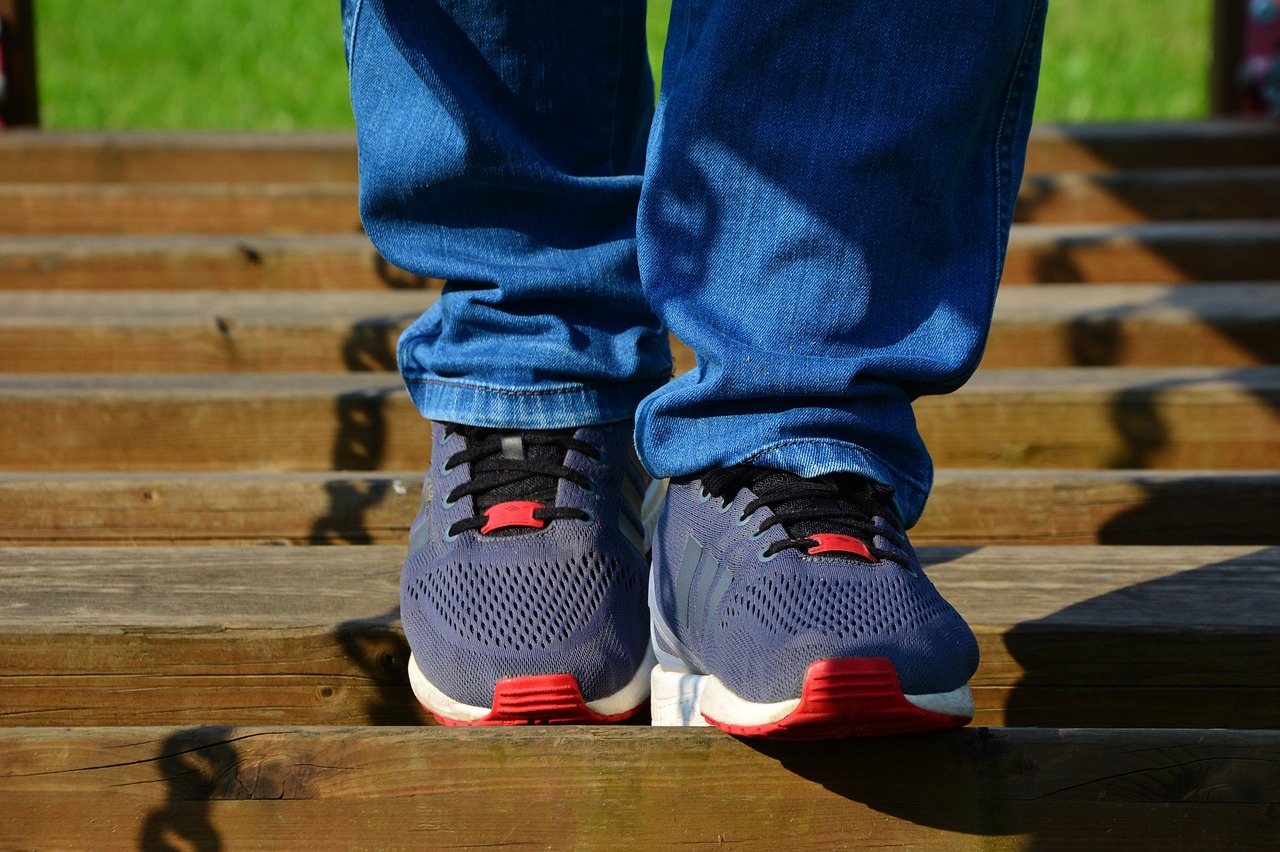
Specifications and prices are maker-stated and were checked on October 6, 2026. We research; we don’t test. A tracker is a nudge, not a calorie meter: it helps most when you use it to walk more and sit less, as our guide to walking for weight loss explains.
The picks
We checked the U.S. Consumer Product Safety Commission’s recalls on October 6, 2026. The one relevant recall we found was for the Fitbit Ionic smartwatch in 2022 (battery overheating and burns); the Ionic is discontinued and is not on this list, and we found no recall for the current models below.
10 fitness trackers, researched
1. Fitbit Charge 6
Best for Most people: a slim band that tracks walks without a phone
- Built-in GPS
- 24/7 heart rate, steps and Active Zone Minutes
- up to 7 days of battery
Maker-stated specs
Price $159.95 (checked Oct 6, 2026)
Drawback Some insights, such as the daily readiness score, need a paid Google Health Premium membership
2. Garmin vivosmart 5
Best for A simple band in the Garmin app ecosystem
- Up to 7 days of battery
- water rated 5 ATM
- connected GPS through your phone
Maker-stated specs
Price $149.99 (checked Oct 6, 2026)
Drawback No GPS of its own: your phone must come along to map a walk
3. Amazfit Bip 6
Best for The lowest price with long battery life
- Up to 14 days of battery
- AMOLED display, 140+ workout modes
- free Zepp app with food tracking
Maker-stated specs
Price $69.99 to $79.99 (checked Oct 6, 2026)
Drawback A watch-size body, bulkier than a slim band
4. Fitbit Inspire 3
Best for A light, low-cost band for steps and sleep
- Up to 10 days of battery
- 24/7 heart rate
- water rated 5 ATM
Maker-stated specs
Price $99.95 (checked Oct 6, 2026)
Drawback Uses your phone's GPS for pace and distance
5. Garmin vivoactive 5
Best for Walkers who also run, ride or swim
- Up to 11 days in smartwatch mode
- up to 21 hours with GPS
- built-in GPS
Maker-stated specs
Price $269.99 (checked Oct 6, 2026)
Drawback Nearly twice the price of the bands above
6. Apple Watch SE 3
Best for iPhone users who want a full smartwatch
- Up to 18 hours of normal use
- built-in GPS
- workout tracking
Maker-stated specs
Price From $249 (checked Oct 6, 2026)
Drawback Needs an iPhone and a charge most days
7. Google Fitbit Air
Best for A newer Fitbit tracker at a band price
- 24/7 heart rate, steps, distance and Active Zone Minutes
- water-resistant design
- up to a week of battery
Maker-stated specs
Price $99.99 (checked Oct 6, 2026)
Drawback A new model, with little independent accuracy research yet
8. Fitbit Versa 4
Best for A Fitbit smartwatch with a larger screen
- Built-in GPS
- 6+ days of battery
- a day's charge in about 12 minutes
Maker-stated specs
Price $199.95 (checked Oct 6, 2026)
Drawback Shorter battery than the Fitbit bands
9. Apple Watch Series 12
Best for iPhone users who want the longest Apple battery
- Up to 24 hours of normal use
- up to 10 hours of workout tracking
- built-in GPS
Maker-stated specs
Price From $399 (checked Oct 6, 2026)
Drawback Needs an iPhone, at the highest price for a watch here
10. Oura Ring 5
Best for People who would rather wear a ring than a band
- 6 to 9 days of battery
- water resistant to 100 m
- heart rate and sleep tracking
Maker-stated specs
Price $399 plus $5.99 a month (checked Oct 6, 2026)
Drawback Requires an Oura Membership ($5.99 a month or $69.99 a year) for most insights
All 10 picks compared
| # | Pick | Best for | Key specs (maker-stated) | Price range | Last checked |
|---|---|---|---|---|---|
| 1 | Fitbit Charge 6 | Most people: a slim band that tracks walks without a phone | Built-in GPS; 24/7 heart rate, steps and Active Zone Minutes; up to 7 days of battery | $159.95 | Oct 6, 2026 |
| 2 | Garmin vivosmart 5 | A simple band in the Garmin app ecosystem | Up to 7 days of battery; water rated 5 ATM; connected GPS through your phone | $149.99 | Oct 6, 2026 |
| 3 | Amazfit Bip 6 | The lowest price with long battery life | Up to 14 days of battery; AMOLED display, 140+ workout modes; free Zepp app with food tracking | $69.99 to $79.99 | Oct 6, 2026 |
| 4 | Fitbit Inspire 3 | A light, low-cost band for steps and sleep | Up to 10 days of battery; 24/7 heart rate; water rated 5 ATM | $99.95 | Oct 6, 2026 |
| 5 | Garmin vivoactive 5 | Walkers who also run, ride or swim | Up to 11 days in smartwatch mode; up to 21 hours with GPS; built-in GPS | $269.99 | Oct 6, 2026 |
| 6 | Apple Watch SE 3 | iPhone users who want a full smartwatch | Up to 18 hours of normal use; built-in GPS; workout tracking | From $249 | Oct 6, 2026 |
| 7 | Google Fitbit Air | A newer Fitbit tracker at a band price | 24/7 heart rate, steps, distance and Active Zone Minutes; water-resistant design; up to a week of battery | $99.99 | Oct 6, 2026 |
| 8 | Fitbit Versa 4 | A Fitbit smartwatch with a larger screen | Built-in GPS; 6+ days of battery; a day's charge in about 12 minutes | $199.95 | Oct 6, 2026 |
| 9 | Apple Watch Series 12 | iPhone users who want the longest Apple battery | Up to 24 hours of normal use; up to 10 hours of workout tracking; built-in GPS | From $399 | Oct 6, 2026 |
| 10 | Oura Ring 5 | People who would rather wear a ring than a band | 6 to 9 days of battery; water resistant to 100 m; heart rate and sleep tracking | $399 plus $5.99 a month | Oct 6, 2026 |
Why these picks, and in this order
- Fitbit Charge 6 (1). Built-in GPS on a slim band is rare. It means outdoor walks record distance and pace without your phone, and a 7-day battery means you can wear it to bed and track sleep. The paid Premium tier is optional.
- Garmin vivosmart 5 (2). A comparable band for people who prefer Garmin’s app, with the same 7-day battery and a 5 ATM water rating. It ranks second because it lacks built-in GPS.
- Amazfit Bip 6 (3). The best specs for the money we found: up to 14 days of battery, an AMOLED screen and a free app that includes food logging, for under $80.
- Fitbit Inspire 3 (4). The simplest and lightest choice, with up to 10 days of battery at $99.95; it borrows your phone’s GPS.
- Picks 5 to 10. Full smartwatches and a ring. They add GPS sports modes, apps, calls or a different form, and cost more. The Apple Watches need an iPhone, and the Oura Ring needs a monthly membership.
| Item | Low | High |
|---|---|---|
| Apple Watch SE 3 | 0.75 days | 0.75 days |
| Apple Watch Series 12 | 1 days | 1 days |
| Fitbit Versa 4 | 6 days | 6 days |
| Oura Ring 5 | 6 days | 9 days |
| Fitbit Charge 6 | 7 days | 7 days |
| Garmin vivosmart 5 | 7 days | 7 days |
| Google Fitbit Air | 7 days | 7 days |
| Fitbit Inspire 3 | 10 days | 10 days |
| Garmin vivoactive 5 | 11 days | 11 days |
| Amazfit Bip 6 | 14 days | 14 days |
Apple rates the SE 3 at up to 18 hours and the Series 12 at up to 24 hours of normal use. Figures are the makers' best case; GPS and always-on screens shorten them.
Source: Maker product pages and manuals (Google Store, Garmin, Apple, Amazfit, Oura) (checked on October 6, 2026)
What trackers measure well, and what they don’t
A large review of 158 studies found that, in lab settings, wrist wearables from the major brands counted steps accurately, measured heart rate with variable accuracy, and estimated energy expenditure inaccurately for every brand studied. A Stanford study of seven wrist devices in 60 volunteers found the same split: the median heart-rate error was as low as 2.0% for the best device, but no device estimated calories with less than 20% error, and the range ran from 27% to 93%.
That is why we suggest ignoring the “calories burned” number when deciding how much to eat. If you add those calories back as food, you can cancel out the calorie deficit you are working toward. A better approach is to estimate your daily needs with our TDEE calculator or calorie calculator, and to use the tracker for what it does well: steps, active minutes and trends. For a specific activity, our calories burned calculator uses published energy costs instead of a wrist estimate.
Do fitness trackers help with weight loss?
Yes, modestly, by helping people move more. An umbrella review in The Lancet Digital Health pooled 39 systematic reviews covering about 164,000 participants. Activity trackers were linked with about 1,800 more steps a day, about 40 more minutes of walking a day and roughly 1 kg (about 2 lb) less body weight. The benefit came from more activity, not from the device itself.
What tracker studies found, pooled
- About 1,800more steps a day with an activity trackerFerguson et al., Lancet Digital Health 2022
- About 40 minmore walking a dayFerguson et al., Lancet Digital Health 2022
- About 1 kgless body weightFerguson et al., Lancet Digital Health 2022
Checked on October 6, 2026
How many steps should you aim for?
The famous 10,000-step goal is a round number, not a research threshold. A meta-analysis of 15 cohorts with 47,471 adults found that more daily steps were linked with a progressively lower risk of death, leveling off at about 6,000 to 8,000 steps a day in adults 60 and older and 8,000 to 10,000 steps a day in younger adults. For weight loss, the practical goal is simply more than you do now: if you average 4,000 steps, aim for 5,000, then build.
| Item | Value |
|---|---|
| Adults 60 and older (low end) | 6,000 steps a day |
| Adults 60 and older (high end) | 8,000 steps a day |
| Adults under 60 (low end) | 8,000 steps a day |
| Adults under 60 (high end) | 10,000 steps a day |
Associations with all-cause mortality in observational studies, not a weight-loss target.
Source: Paluch et al., Lancet Public Health 2022 (15 cohorts, 47,471 adults) (checked on October 6, 2026)
How to choose a fitness tracker
- Your phone. Apple Watches need an iPhone (iPhone 11 or later for the current watchOS). Oura’s app runs on iOS and Android; for the other brands, check the maker’s compatibility page for your phone model.
- Battery you’ll actually live with. If you want sleep tracking, a battery of 7 days or more means fewer gaps. Daily charging suits some people and not others.
- GPS. Built-in GPS (Fitbit Charge 6 and Versa 4, Garmin vivoactive 5, Apple Watch) records outdoor walks without a phone. Bands without it borrow your phone’s GPS.
- Total cost. Add any membership to the price: Oura’s is $5.99 a month, and Google Health Premium starts at $9.99 on the Google Store. Amazfit describes its Zepp app as free.
- Privacy. Trackers collect heart rate, sleep and location. Read the app’s privacy settings, turn off sharing you don’t need and check how to delete your data.
- Comfort. The best tracker is the one you keep wearing. A slim band or ring may suit you better than a large watch.
What a tracker can’t do
Trackers sold for fitness are general wellness products, not medical devices, unless a specific feature has its own FDA clearance. They can’t tell you how many calories you should eat, and their sleep and “readiness” scores are estimates. They also can’t make up for the basics: eating in a modest deficit, walking more, and two or more days a week of strength training to protect muscle, as the Physical Activity Guidelines for Americans recommend for adults.
Getting more out of a tracker
- Find your baseline first. Wear it normally for a week before setting goals, so your target starts from your real average rather than a number from an ad.
- Raise the goal in small steps. An extra 500 to 1,000 steps a day is easier to keep than a jump to 10,000. A short walk after each meal adds up quickly.
- Use the reminders. Most trackers can buzz after a long stretch of sitting. A two-minute walk every hour breaks up a desk day.
- Look at weeks, not days. Rest days, travel and bad weather happen. The weekly average tells you whether your activity is really changing.
- Check your privacy settings once. Turn off public sharing and location history you don’t need, and note how to export or delete your data if you switch brands.
Related gear and guides
A walking pad is a simple way to add steps to a workday, and our walking pad guide explains how to set one up. A smart scale shows the weight trend that your extra activity supports. Our metabolism guide explains why calorie needs differ from person to person, the exercise hub covers other ways to move, and our guide to keeping weight off explains why staying active matters long term. For equipment more broadly, see the gear hub.
Sources and last checked
Specifications and prices were read on October 6, 2026 on the Google Store (Fitbit Charge 6, Inspire 3, Versa 4, Google Fitbit Air), garmin.com and Garmin’s owner’s manuals (vivosmart 5, vivoactive 5), apple.com (Apple Watch SE 3 and Series 12), us.amazfit.com (Bip 6) and ouraring.com (Oura Ring 5 and membership). Recall checks were run on cpsc.gov the same day. Updated: first published October 2026.
Records in this article

Related guides
 Fitness Tracker vs Smart Ring vs Smartwatch for Weight LossFitness band vs smart ring vs smartwatch for weight loss: maker-stated battery, price and membership checked…
 Smart Scale vs DEXA vs Tape Measure: How to Measure Body FatSmart scale vs DEXA vs tape measure compared: how close each comes to DEXA in validation…
 Cardio vs Strength Training for Weight Loss: What the Trials FoundCardio vs strength training for weight loss: what the STRRIDE AT/RT and LITOE trials found about…
 Walking Pad vs Treadmill: Which Should You Buy?Walking pad vs treadmill compared: speed, incline, deck size, weight limit, size and price for four…
Frequently asked questions
What is the best fitness tracker for weight loss?
Our top researched pick is the Fitbit Charge 6 ($159.95 when checked on October 6, 2026): built-in GPS, 24/7 heart rate and a maker-stated 7-day battery. The Garmin vivosmart 5 and the lower-priced Amazfit Bip 6 are strong alternatives.
Are fitness tracker calorie counts accurate?
No. Independent studies find wrist devices count steps well but estimate calories poorly, with errors of 20% or more. Use a calculator for your daily needs and the tracker for steps and active minutes.
Do fitness trackers actually help you lose weight?
Modestly. Pooled studies link trackers with about 1,800 more steps a day and about 1 kg less body weight, because people move more when they track it.
Do I need a subscription?
Not always. Oura needs a $5.99-a-month membership for most insights, and some Fitbit features need Google Health Premium. Amazfit describes its Zepp app as free; check each maker's current terms before buying.
How many steps a day should I aim for?
More than you do now. Research links benefits up to about 6,000 to 8,000 steps a day for adults 60 and older and 8,000 to 10,000 for younger adults; build up gradually from your current average.
References
- Fitbit Charge 6 (Google Store product page). Google. (accessed October 7, 2026) Other
- Garmin vivosmart 5 (product page) and owner’s manual specifications. Garmin. (accessed October 7, 2026) Other
- Amazfit Bip 6 Smartwatch (product page). Amazfit (Zepp Health). (accessed October 7, 2026) Other
- Fitbit Inspire 3 (Google Store product page). Google. (accessed October 7, 2026) Other
- Garmin vivoactive 5 (product page) and owner’s manual battery life. Garmin. (accessed October 7, 2026) Other
- Apple Watch SE 3 technical specifications. Apple. (accessed October 7, 2026) Other
- Google Fitbit Air (Google Store product page). Google. (accessed October 6, 2026) Other
- Fitbit Versa 4 (Google Store product page). Google. (accessed October 6, 2026) Other
- Apple Watch Series 12 technical specifications. Apple. (accessed October 7, 2026) Other
- Oura Ring 5 (store page) and Oura Membership pricing. Oura. (accessed October 7, 2026) Other
- Fitbit Recalls Ionic Smartwatches Due to Burn Hazard; One Million Sold in the U.S.. U.S. Consumer Product Safety Commission, 2022. (accessed October 7, 2026) Government page
- Fuller D, Colwell E, Low J, et al.. Reliability and validity of commercially available wearable devices for measuring steps, energy expenditure, and heart rate: systematic review. JMIR mHealth and uHealth, 2020. doi:10.2196/18694 · PMID 32897239 (accessed October 7, 2026) Review
- Shcherbina A, Mattsson CM, Waggott D, et al.. Accuracy in Wrist-Worn, Sensor-Based Measurements of Heart Rate and Energy Expenditure in a Diverse Cohort. Journal of Personalized Medicine, 2017. doi:10.3390/jpm7020003 · PMID 28538708 (accessed October 7, 2026) Other
- O'Driscoll R, Turicchi J, Beaulieu K, et al.. How well do activity monitors estimate energy expenditure? A systematic review and meta-analysis of the validity of current technologies. British Journal of Sports Medicine, 2020. doi:10.1136/bjsports-2018-099643 · PMID 30194221 (accessed October 7, 2026) Meta-analysis
- Ferguson T, Olds T, Curtis R, et al.. Effectiveness of wearable activity trackers to increase physical activity and improve health: a systematic review of systematic reviews and meta-analyses. The Lancet Digital Health, 2022. doi:10.1016/S2589-7500(22)00111-X · PMID 35868813 (accessed October 7, 2026) Review
- Paluch AE, Bajpai S, Bassett DR, et al.. Daily steps and all-cause mortality: a meta-analysis of 15 international cohorts. The Lancet Public Health, 2022. doi:10.1016/S2468-2667(21)00302-9 · PMID 35247352 (accessed October 7, 2026) Meta-analysis
- Physical Activity Guidelines for Americans, 2nd edition: top 10 things to know. U.S. Department of Health and Human Services (ODPHP). (accessed October 7, 2026) Guideline
Facts checked on October 6, 2026
Educational information, not medical advice. Talk with a qualified healthcare professional about your own situation. In an emergency call 911.
Leave a Reply