Best picks
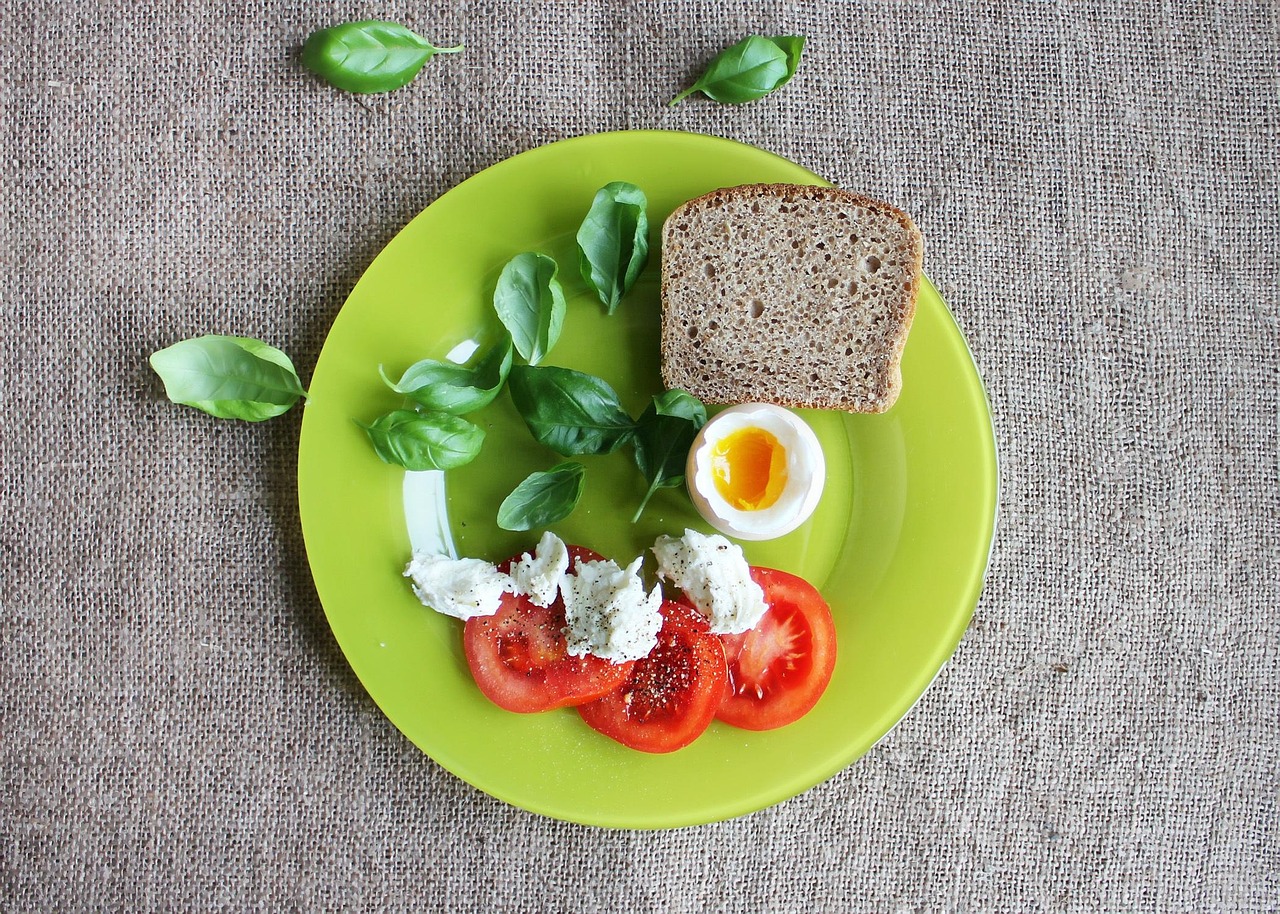
Fifteen high-protein breakfast recipes under 400 calories, each with 21 to 36 grams of protein, ranked by fiber and fullness, with USDA nutrition numbers.
Fact-checked against FDA labels and official sources; not yet reviewed by a licensed clinician. This page is education, not medical advice. Talk to your doctor before starting, stopping or changing any treatment.
Key takeaways
- All 15 breakfasts deliver 21 to 36 grams of protein in 237 to 374 calories, calculated from USDA FoodData Central.[1]
- In a crossover trial, a 35-gram protein breakfast increased fullness more than a 13-gram one with the same calories and reduced evening high-fat snacking compared with skipping breakfast.[2]
- Over 12 weeks, a high-protein breakfast prevented body-fat gain compared with skipping breakfast, but did not differ from a normal-protein breakfast when compared directly.[3]
- A research review suggested about 25 to 30 grams of protein per meal as part of a higher-protein diet.[4]
In short: A high-protein breakfast that helps with weight loss gives you about 20 to 35 grams of protein, some fiber and plenty of food on the plate for under 400 calories. Our top three are a chickpea shakshuka (21 g protein, 9 g fiber, 359 calories, for people who like a savory, warm plate), a Greek yogurt berry parfait (21 g protein in just 241 calories, a no-cook choice) and peanut butter protein oatmeal (25 g protein, 8.5 g fiber, for oatmeal lovers). All 15 recipes are our own, and every number comes from USDA nutrition data.
This list is about one meal: breakfast. If you want to eat more protein across the whole day, our guide to the high-protein diet covers how much, from which foods and what the research says about weight loss. Here you get 15 breakfasts, each 241 to 374 calories with 21 to 36 grams of protein, built and calculated from the USDA’s FoodData Central database. We did not test them in a lab or kitchen; we did the math so you can check it. There are eggs, Greek yogurt, cottage cheese, tofu, tempeh, edamame, smoked salmon and turkey sausage, savory and sweet, with dairy-free and no-cook options.
Why protein at breakfast helps
Protein is the most filling of the three macronutrients, and breakfast is the meal where many of us eat the least of it. A cereal-and-juice morning often has 10 grams or less. Researchers at the University of Missouri have studied what happens when that changes. In one trial, 20 young women who usually skipped breakfast ate either a 350-calorie cereal breakfast with 13 grams of protein, a 350-calorie egg-and-beef breakfast with 35 grams, or nothing, for six days at a time. Both breakfasts reduced hunger compared with skipping, but the higher-protein one increased fullness more and, unlike the cereal breakfast, reduced evening snacking on high-fat foods compared with skipping. Total calories for the day did not differ between the breakfasts.
A follow-up ran for 12 weeks in 57 young people with overweight or obesity who skipped breakfast. Compared with continuing to skip, the 35-gram protein breakfast prevented body-fat gain and was linked with eating less over the day and feeling less hungry. When the researchers compared the high-protein and normal-protein breakfasts directly, though, they found no differences. So the honest takeaway is modest: a protein-rich breakfast can help with fullness and may make the rest of the day easier, but it is one helpful habit, not a shortcut. A broader research review suggested about 25 to 30 grams of protein per meal as a useful target.
The breakfast trials at a glance
- 35 g vs 13 gprotein in the high- and normal-protein breakfasts, both about 350 caloriesLeidy et al., Obesity 2015
- 12 weekslength of the trial in 57 breakfast-skipping young people; the 35 g breakfast prevented fat gain compared with skippingLeidy et al., Obesity 2015
- 25-30 gprotein per meal suggested by a research review on higher-protein dietsLeidy et al., AJCN 2015
Checked on October 7, 2026
The 15 best high-protein breakfasts under 400 calories
How we ordered them: every breakfast had to stay at or under 400 calories and reach at least 20 grams of protein. Following our foods method (fullness and energy density first, then protein and fiber, then calories), the eight recipes with at least 5 grams of fiber come first, ordered by energy density: calories per gram of food, where lower means more food for the calories. The seven with less fiber follow in the same order. That’s why a 237-calorie cottage cheese bowl sits at number 9: it is very light, but it has 4 grams of fiber. Sugar listed is total sugar, almost all from fruit, milk and vegetables; no recipe uses added sugar, syrup or juice.
Our 15 high-protein breakfasts, ranked
1. Chickpea shakshuka
Best for A warm, savory plate with lots of volume
- 359 kcal
- 20.9 g protein
- 9.4 g fiber
- 0.69 kcal per gram
Maker-stated specs
Price Grocery staples (checked Oct 7, 2026)
Drawback The least protein on the list; takes about 20 minutes
2. Greek yogurt berry parfait
Best for A no-cook, sweet breakfast
- 241 kcal
- 21.0 g protein
- 7.2 g fiber
- 0.76 kcal per gram
Maker-stated specs
Price Grocery staples (checked Oct 7, 2026)
Drawback Contains milk and tree nuts; 16 g natural sugar
3. Peanut butter protein oatmeal
Best for Oatmeal lovers who want it to last
- 366 kcal
- 24.7 g protein
- 8.5 g fiber
- 0.83 kcal per gram
Maker-stated specs
Price Grocery staples (checked Oct 7, 2026)
Drawback Contains peanuts and milk; measure the peanut butter
4. Greek yogurt overnight oats
Best for Make-ahead mornings
- 369 kcal
- 28.3 g protein
- 8.6 g fiber
- 0.88 kcal per gram
Maker-stated specs
Price Grocery staples (checked Oct 7, 2026)
Drawback Needs to soak overnight; 19 g natural sugar
5. Tofu scramble tacos (dairy-free)
Best for Plant-based and dairy-free eaters
- 371 kcal
- 26.9 g protein
- 9.2 g fiber
- 1.09 kcal per gram
Maker-stated specs
Price Grocery staples (checked Oct 7, 2026)
Drawback Contains soy; one of the higher-calorie options
6. Black bean breakfast burrito
Best for A breakfast you can eat on the go
- 346 kcal
- 25.9 g protein
- 9.2 g fiber
- 1.23 kcal per gram
Maker-stated specs
Price Grocery staples (checked Oct 7, 2026)
Drawback Highest sodium here (about 872 mg) from the tortilla, salsa and cheese
7. Grab-and-go protein box
Best for No-cook mornings with eggs boiled ahead
- 374 kcal
- 22.4 g protein
- 5.1 g fiber
- 1.29 kcal per gram
Maker-stated specs
Price Grocery staples (checked Oct 7, 2026)
Drawback The highest-calorie recipe; contains eggs, milk and tree nuts
8. Edamame toast with poached eggs
Best for A fresh take on avocado toast
- 317 kcal
- 25.8 g protein
- 6.0 g fiber
- 1.52 kcal per gram
Maker-stated specs
Price Grocery staples (checked Oct 7, 2026)
Drawback A smaller plate for the calories; contains soy, eggs and wheat
9. Savory cottage cheese bowl
Best for The lightest breakfast on the list
- 237 kcal
- 26.6 g protein
- 4.0 g fiber
- 0.59 kcal per gram
Maker-stated specs
Price Grocery staples (checked Oct 7, 2026)
Drawback About 842 mg sodium; a no-salt-added cottage cheese cuts most of it
10. Egg-white frittata muffins with chicken sausage
Best for Meal prep for the week
- 315 kcal
- 36.0 g protein
- 3.4 g fiber
- 0.77 kcal per gram
Maker-stated specs
Price Grocery staples (checked Oct 7, 2026)
Drawback Low in fiber; bake and chill ahead
11. Veggie egg scramble with toast
Best for A classic diner-style breakfast at home
- 349 kcal
- 29.2 g protein
- 4.5 g fiber
- 0.97 kcal per gram
Maker-stated specs
Price Grocery staples (checked Oct 7, 2026)
Drawback Uses two whole eggs plus whites; a little under 5 g fiber
12. Smoked salmon toast
Best for A weekend brunch feel
- 293 kcal
- 27.7 g protein
- 4.6 g fiber
- 0.98 kcal per gram
Maker-stated specs
Price Grocery staples (checked Oct 7, 2026)
Drawback About 708 mg sodium; smoked fish isn't advised in pregnancy
13. Tempeh breakfast hash (dairy-free)
Best for A hearty plant-based skillet
- 326 kcal
- 23.6 g protein
- 4.7+ g fiber
- 1.01 kcal per gram
Maker-stated specs
Price Grocery staples (checked Oct 7, 2026)
Drawback USDA lists no fiber value for tempeh, so the true fiber is higher
14. Cottage cheese oat pancakes
Best for Pancake cravings
- 336 kcal
- 27.9 g protein
- 4.2 g fiber
- 1.11 kcal per gram
Maker-stated specs
Price Grocery staples (checked Oct 7, 2026)
Drawback Needs a blender; about 587 mg sodium
15. Turkey sausage and egg English muffin
Best for Fans of the drive-through sandwich
- 330 kcal
- 24.5 g protein
- 2.6 g fiber
- 1.66 kcal per gram
Maker-stated specs
Price Grocery staples (checked Oct 7, 2026)
Drawback The lowest fiber and highest energy density here; add fruit on the side
All 15 breakfasts side by side
| # | Pick | Best for | Key specs (maker-stated) | Price range | Last checked |
|---|---|---|---|---|---|
| 1 | Chickpea shakshuka | A warm, savory plate with lots of volume | 359 kcal; 20.9 g protein; 9.4 g fiber; 0.69 kcal per gram | Grocery staples | Oct 7, 2026 |
| 2 | Greek yogurt berry parfait | A no-cook, sweet breakfast | 241 kcal; 21.0 g protein; 7.2 g fiber; 0.76 kcal per gram | Grocery staples | Oct 7, 2026 |
| 3 | Peanut butter protein oatmeal | Oatmeal lovers who want it to last | 366 kcal; 24.7 g protein; 8.5 g fiber; 0.83 kcal per gram | Grocery staples | Oct 7, 2026 |
| 4 | Greek yogurt overnight oats | Make-ahead mornings | 369 kcal; 28.3 g protein; 8.6 g fiber; 0.88 kcal per gram | Grocery staples | Oct 7, 2026 |
| 5 | Tofu scramble tacos (dairy-free) | Plant-based and dairy-free eaters | 371 kcal; 26.9 g protein; 9.2 g fiber; 1.09 kcal per gram | Grocery staples | Oct 7, 2026 |
| 6 | Black bean breakfast burrito | A breakfast you can eat on the go | 346 kcal; 25.9 g protein; 9.2 g fiber; 1.23 kcal per gram | Grocery staples | Oct 7, 2026 |
| 7 | Grab-and-go protein box | No-cook mornings with eggs boiled ahead | 374 kcal; 22.4 g protein; 5.1 g fiber; 1.29 kcal per gram | Grocery staples | Oct 7, 2026 |
| 8 | Edamame toast with poached eggs | A fresh take on avocado toast | 317 kcal; 25.8 g protein; 6.0 g fiber; 1.52 kcal per gram | Grocery staples | Oct 7, 2026 |
| 9 | Savory cottage cheese bowl | The lightest breakfast on the list | 237 kcal; 26.6 g protein; 4.0 g fiber; 0.59 kcal per gram | Grocery staples | Oct 7, 2026 |
| 10 | Egg-white frittata muffins with chicken sausage | Meal prep for the week | 315 kcal; 36.0 g protein; 3.4 g fiber; 0.77 kcal per gram | Grocery staples | Oct 7, 2026 |
| 11 | Veggie egg scramble with toast | A classic diner-style breakfast at home | 349 kcal; 29.2 g protein; 4.5 g fiber; 0.97 kcal per gram | Grocery staples | Oct 7, 2026 |
| 12 | Smoked salmon toast | A weekend brunch feel | 293 kcal; 27.7 g protein; 4.6 g fiber; 0.98 kcal per gram | Grocery staples | Oct 7, 2026 |
| 13 | Tempeh breakfast hash (dairy-free) | A hearty plant-based skillet | 326 kcal; 23.6 g protein; 4.7+ g fiber; 1.01 kcal per gram | Grocery staples | Oct 7, 2026 |
| 14 | Cottage cheese oat pancakes | Pancake cravings | 336 kcal; 27.9 g protein; 4.2 g fiber; 1.11 kcal per gram | Grocery staples | Oct 7, 2026 |
| 15 | Turkey sausage and egg English muffin | Fans of the drive-through sandwich | 330 kcal; 24.5 g protein; 2.6 g fiber; 1.66 kcal per gram | Grocery staples | Oct 7, 2026 |
| Item | Protein | Fiber |
|---|---|---|
| Chickpea shakshuka | 20.9 g | 9.4 g |
| Berry parfait | 21 g | 7.2 g |
| PB protein oatmeal | 24.7 g | 8.5 g |
| Overnight oats | 28.3 g | 8.6 g |
| Tofu scramble tacos | 26.9 g | 9.2 g |
| Black bean burrito | 25.9 g | 9.2 g |
| Grab-and-go box | 22.4 g | 5.1 g |
| Edamame toast | 25.8 g | 6 g |
| Cottage cheese bowl | 26.6 g | 4 g |
| Frittata muffins | 36 g | 3.4 g |
| Veggie egg scramble | 29.2 g | 4.5 g |
| Smoked salmon toast | 27.7 g | 4.6 g |
| Tempeh hash | 23.6 g | 4.7 g |
| Cottage cheese pancakes | 27.9 g | 4.2 g |
| Turkey sausage muffin | 24.5 g | 2.6 g |
One serving of each recipe as written below. Tempeh fiber is a minimum because USDA lists no fiber value for tempeh.
Source: USDA FoodData Central (SR Legacy); InstaTuck calculation from the grams in each recipe (checked on October 7, 2026)
The recipes
Each recipe makes one serving. “Greek yogurt” means plain nonfat Greek yogurt, “milk” means fat-free (skim) milk and “bread” means commercial whole-wheat bread. Herbs, spices, lemon juice, black pepper and a light mist of cooking spray are not counted. Swap in your own brands and the numbers will shift a little; the label on your package is the final word.
1. Chickpea shakshuka
Soften 1/4 cup (40 g) chopped onion and 1/2 cup (74 g) chopped red bell pepper in 1 teaspoon (4.5 g) olive oil. Add 1 cup (240 g) no-salt-added canned tomatoes, 41 g (about 1.5 ounces) drained canned chickpeas, cumin and paprika, and simmer until thick. Make two wells, crack in 2 large eggs, cover and cook until the whites and yolks are firm, then top with about 2 tablespoons (17 g) crumbled feta. It’s the biggest plate on the list (517 g) for 359 calories, with 20.9 g protein and 9.4 g fiber.
2. Greek yogurt berry parfait
Layer 1 container (170 g) Greek yogurt with 1/2 cup (62 g) raspberries and 1/2 cup (74 g) blueberries, and finish with 2 tablespoons (11.5 g) sliced almonds. No cooking needed: 21 g protein with 7.2 g fiber for 241 calories. Raspberries carry most of the fiber; frozen berries thawed overnight work too.
3. Peanut butter protein oatmeal
Cook 1/2 cup (40.5 g) rolled oats in 1 cup (245 g) milk. Off the heat, stir in 1/2 container (85 g) Greek yogurt and 1/2 tablespoon (8 g) peanut butter, then top with 1/2 cup (62 g) raspberries. Cooking the oats in milk and stirring in yogurt takes a 150-calorie bowl of oats to 24.7 g protein and 8.5 g fiber for 366 calories. Peanut butter is calorie-dense, so level the spoon.
4. Greek yogurt overnight oats
In a jar, stir together 1/2 cup (40.5 g) rolled oats, 1 container (170 g) Greek yogurt, 1/2 cup (122.5 g) milk and 1/4 ounce (7 g) chia seeds. Top with 1/2 cup (77.5 g) frozen blueberries, close the lid and refrigerate overnight. In the morning it’s thick, cold and ready: 28.3 g protein and 8.6 g fiber for 369 calories. Our meal-prep containers list covers containers that make this easy.
5. Tofu scramble tacos (dairy-free)
Crumble 1/2 cup (126 g) firm tofu into a pan with 1 teaspoon (4.5 g) olive oil, 2 tablespoons (20 g) chopped onion and 1/2 cup (74 g) chopped red pepper. Season with turmeric, garlic powder and black pepper, wilt in 1 cup (30 g) spinach, and spoon into 2 warm corn tortillas (48 g) with 2 tablespoons (36 g) salsa. Firm tofu made with calcium sulfate has 17 g protein per 100 g. Total: 26.9 g protein, 9.2 g fiber, 371 calories, no dairy or eggs.
6. Black bean breakfast burrito
Scramble 1 large egg with 2 large egg whites (66 g) until firm. Fill a whole-wheat tortilla (41 g) with the eggs, 1/4 cup (60 g) rinsed low-sodium black beans, 1/2 cup (15 g) spinach, 1/2 ounce (14 g) reduced-fat cheddar and 2 tablespoons (36 g) salsa, then roll it up. 25.9 g protein, 9.2 g fiber, 346 calories. Sodium is the highest here (about 872 mg); a lower-sodium tortilla or salsa brings it down.
7. Grab-and-go protein box
Pack 2 hard-boiled large eggs, 1 part-skim mozzarella string cheese (1 ounce, 28 g), 1 small apple (149 g) and 10 almonds (12 g). Boil a batch of eggs on Sunday and this is a no-cook breakfast all week. 22.4 g protein, 5.1 g fiber, 374 calories. FoodSafety.gov says hard-cooked eggs keep for 1 week in the refrigerator.
8. Edamame toast with poached eggs
Mash 1/2 cup (77.5 g) cooked shelled edamame with lemon juice, chili flakes and a pinch of salt, spread it on 1 slice (32 g) toasted whole-wheat bread, and top with 2 poached large eggs, cooked until firm. Edamame gives the green, creamy look of avocado toast with 11.9 g protein per 100 g. 25.8 g protein, 6 g fiber, 317 calories.
9. Savory cottage cheese bowl
Spoon 3/4 cup (170 g) low-fat (1%) cottage cheese into a bowl with 1 cup (149 g) halved cherry tomatoes and 1/2 cup (52 g) cucumber slices. Add black pepper, dill or an everything-bagel seasoning, with 1 slice (32 g) whole-wheat toast on the side. It’s the lightest breakfast here (237 calories, 0.59 calories per gram) with 26.6 g protein. Regular cottage cheese is salty: USDA lists 406 mg sodium per 100 g, against 13 mg for the no-salt-added kind.
10. Egg-white frittata muffins with chicken sausage
Per serving, whisk 5 large egg whites (165 g) with 1 large egg, then add 1 ounce (28 g) chopped lower-sodium chicken sausage, 1 cup (30 g) spinach, 1/4 cup (37 g) red pepper, 1 tablespoon (10 g) onion and 1/2 ounce (14 g) reduced-fat cheddar. Pour into 3 greased muffin cups and bake at 350 °F until set and 160 °F in the center. Serve with 1/2 cup (74 g) blueberries. The most protein on the list (36 g) for 315 calories. Multiply by four for the week; FoodSafety.gov lists 3 to 4 days in the fridge for baked egg dishes, or 2 to 3 months in the freezer.
11. Veggie egg scramble with toast
Sauté 2 tablespoons (20 g) onion and 1/2 cup (74 g) red pepper in 1 teaspoon (4.5 g) olive oil, wilt 1 cup (30 g) spinach, then scramble in 2 large eggs and 3 large egg whites (99 g) until firm. Serve with 1 slice (32 g) whole-wheat toast. Mixing whole eggs with whites keeps the yolk flavor and adds protein without many calories (egg white has 52 calories per 100 g, whole egg 143). 29.2 g protein, 4.5 g fiber, 349 calories.
12. Smoked salmon toast
Stir dill and lemon into 1/2 container (85 g) Greek yogurt and spread it on 2 slices (64 g) toasted whole-wheat bread. Top with 2 ounces (57 g) smoked salmon, 1/2 cup (52 g) cucumber slices and 2 tomato slices (40 g); capers optional. 27.7 g protein, 4.6 g fiber, 293 calories. We used USDA’s regular smoked salmon (672 mg sodium per 100 g); lox-style salmon is far saltier (2,000 mg per 100 g).
13. Tempeh breakfast hash (dairy-free)
Dice 1/2 cup (75 g) potato and cook it in 1 teaspoon (4.5 g) olive oil until golden. Add 100 g (about 3.5 ounces) cubed tempeh, 1/4 cup (40 g) onion and 1/2 cup (74 g) red pepper, cook until the tempeh is browned and hot, and fold in 1 cup (30 g) spinach. Season with smoked paprika. 23.6 g protein and 326 calories. USDA’s tempeh entry has no fiber value, so the 4.7 g we list counts only the vegetables; the real total is higher.
14. Cottage cheese oat pancakes
Blend 1/2 cup (113 g) low-fat cottage cheese, 1 large egg, 1 large egg white (33 g), 1/3 cup (27 g) rolled oats, cinnamon and a little baking powder until smooth. Cook 3 small pancakes in a pan with 1 teaspoon (4.5 g) oil until set in the middle, and top with 1/2 cup (76 g) strawberry halves. 27.9 g protein, 4.2 g fiber, 336 calories.
15. Turkey sausage and egg English muffin
Cook a 2-ounce (57 g) turkey sausage patty to 165 °F and fry 1 large egg until firm. Stack them on a toasted whole-grain English muffin (57 g) with 1/2 cup (15 g) spinach and a tomato slice. 24.5 g protein and 330 calories, but only 2.6 g fiber, so add a piece of fruit or a handful of berries if you can. It’s last on our list because it’s the most calorie-dense, not because it’s a bad choice.
Build your own high-protein breakfast
The breakfast formula
- Pick a protein anchorEggs or egg whites, Greek yogurt, cottage cheese, tofu, tempeh, edamame, fish or lean sausage: enough for about 20 to 30 g protein.
- Add fiberOats, beans, chickpeas, berries, whole-grain bread or tortillas, or a big handful of vegetables.
- Add volumeVegetables, fruit, tomatoes and greens make the plate bigger without many calories.
- Keep the rich extras smallOil, cheese, nut butter and nuts by the teaspoon or tablespoon.
- Check the totalAim for about 250 to 400 calories, the size of a light meal.
How much protein you need over a day depends on your size, age and activity; our protein calculator gives an estimate, and the macro calculator shows how it fits with carbs and fat. A bigger breakfast helps most when it replaces something less filling, such as a pastry, rather than adding to what you already eat, because weight loss still comes down to a calorie deficit. The calorie calculator estimates your daily needs. Portions are easier to get right with a kitchen scale for the first couple of weeks.
- Short on time? The parfait, overnight oats, protein box and cottage cheese bowl need no cooking in the morning.
- Prefer to drink breakfast? Our high-protein smoothies use the same approach in a glass, and our best protein powders list covers certified powders if you want an extra scoop.
- Not hungry in the morning? That’s fine. Breakfast isn’t required for weight loss; if you prefer a later first meal, our intermittent fasting guide explains that approach, and any of these recipes works as a lunch.
- Batch it. Frittata muffins, boiled eggs, overnight oats and burritos all keep in the fridge for several days.
What a high-protein breakfast can’t do
No breakfast burns fat by itself, and protein is not magic. In the 12-week trial, the high-protein breakfast beat skipping breakfast, but it did not clearly beat a normal-protein breakfast of the same calories. What these recipes offer is a filling start that makes the rest of the day easier to manage. If you don’t feel full after a breakfast like these, try a recipe with more volume (the shakshuka, cottage cheese bowl or parfait), or look at our most filling foods and healthy snacks guide. More on eating well is in the nutrition hub.
If you take a GLP-1 medicine and have a small appetite, a compact protein breakfast such as the frittata muffins or the parfait can make your protein target easier to reach and help protect muscle; our GLP-1 diet guide has more, and strength training is the other half of keeping muscle.
Food safety and allergies
FoodSafety.gov says to cook eggs until the yolk and white are firm, to cook egg dishes such as frittatas to 160 °F, poultry sausage to 165 °F and other sausage to 160 °F, and to reheat leftovers to 165 °F. Every recipe here contains at least one of the nine major food allergens the FDA names: milk, eggs, fish, crustacean shellfish, tree nuts, peanuts, wheat, soybeans and sesame. The tofu tacos (on corn tortillas) and the tempeh hash avoid milk, eggs and wheat but are soy-based. Swaps are easy: oats or berries for almonds, corn tortillas for wheat, and egg-free recipes for egg ones. Check package labels too, since bread, tortillas and sausages can contain several allergens.
Records in this article

Related guides
 Online Dietitian Services Compared: Insurance, Cost and What’s IncludedFive online dietitian services compared, alphabetical and not ranked: insurance, self-pay prices, visit length, messaging, states…
 Weight-Loss Meal Plan: A 7-Day Plan at 1,500 and 1,800 CaloriesA free 7-day weight-loss meal plan at 1,500 and 1,800 calories, with grams and calories for…
 Fiber Supplements Compared: Psyllium vs Glucomannan vs Inulin (Rated by Evidence)Fiber supplements compared and rated by evidence for weight: psyllium, inulin, beta-glucan, glucomannan, guar gum, wheat…
 Alternate-Day Fasting vs 16:8 vs 5:2: Fasting Methods ComparedTypes of intermittent fasting compared: 16:8, 5:2 and alternate-day fasting, what a week looks like on…
Questions to ask a professional
- How much protein should I aim for at each meal, given my health?
- Do I need to limit protein, sodium or potassium because of my kidneys or medicines?
- How can I fit breakfast into my diabetes or GLP-1 treatment plan?
- Would a registered dietitian help me plan meals that keep me full?
Frequently asked questions
How much protein should a high-protein breakfast have?
About 20 to 30 grams is a practical target, in line with research suggesting 25 to 30 grams per meal. The breakfast trials summarized here used 35 grams. Every recipe on this list has at least 20 grams.
What is the best high-protein breakfast for weight loss?
One you enjoy that is filling for its calories. By our method, the chickpea shakshuka, Greek yogurt berry parfait and peanut butter protein oatmeal rank highest because they combine at least 20 grams of protein with fiber and a large portion for the calories.
Are eggs a good breakfast for weight loss?
They can be. Two large eggs provide about 12.6 grams of protein for 143 calories in USDA data, and adding egg whites, vegetables and a high-fiber side makes the meal more filling. Cook eggs until the yolk and white are firm.
What is a high-protein breakfast without eggs?
Try the Greek yogurt parfait, overnight oats, peanut butter protein oatmeal, savory cottage cheese bowl, tofu scramble tacos or tempeh hash. The tofu tacos and tempeh hash are also dairy-free.
Do I have to eat breakfast to lose weight?
No. What matters most is your overall eating pattern and calorie balance. A high-protein breakfast helps some people feel fuller and snack less later; if you prefer a later first meal, any of these recipes works as lunch.
References
- FoodData Central (SR Legacy, April 2018 release). U.S. Department of Agriculture, Agricultural Research Service, 2018. (accessed October 7, 2026) Government page
- Leidy HJ, Ortinau LC, Douglas SM, Hoertel HA. Beneficial effects of a higher-protein breakfast on the appetitive, hormonal, and neural signals controlling energy intake regulation in overweight/obese, “breakfast-skipping,” late-adolescent girls. American Journal of Clinical Nutrition, 2013. doi:10.3945/ajcn.112.053116 · PMID 23446906 · NCT01192100 (accessed October 7, 2026) Randomized trial
- Leidy HJ, Hoertel HA, Douglas SM, Higgins KA, Shafer RS. A high-protein breakfast prevents body fat gain, through reductions in daily intake and hunger, in “breakfast skipping” adolescents. Obesity, 2015. doi:10.1002/oby.21185 · PMID 26239831 (accessed October 7, 2026) Randomized trial
- Leidy HJ, Clifton PM, Astrup A, et al.. The role of protein in weight loss and maintenance. American Journal of Clinical Nutrition, 2015. doi:10.3945/ajcn.114.084038 · PMID 25926512 (accessed October 7, 2026) Review
- Safe Minimum Internal Temperature Chart. FoodSafety.gov (U.S. Department of Health and Human Services). (accessed October 7, 2026) Government page
- Cold Food Storage Chart. FoodSafety.gov (U.S. Department of Health and Human Services). (accessed October 7, 2026) Government page
- Food Allergies. U.S. Food and Drug Administration. (accessed October 7, 2026) Government page
- Listeria (Listeriosis). U.S. Food and Drug Administration. (accessed October 7, 2026) Government page
Facts checked on October 7, 2026
Educational information, not medical advice. Talk with a qualified healthcare professional about your own situation. In an emergency call 911.
Leave a Reply