Best picks
Ten of our own low-calorie, high-volume dinner recipes, each under 500 calories with 27-46 g protein, ranked by energy density, with USDA numbers and grams.
Fact-checked against FDA labels and official sources; not yet reviewed by a licensed clinician. This page is education, not medical advice. Talk to your doctor before starting, stopping or changing any treatment.
Key takeaways
- All 10 dinners give 27.6 to 45.7 grams of protein and 7.3 to 14 grams of fiber for 370 to 494 calories, calculated from USDA FoodData Central.[1]
- Lowering the energy density of meals by 25% cut daily intake by 24% (575 calories) without changing hunger, more than cutting portions by 25%.[2]
- Women counseled to eat more water-rich fruit and vegetables while cutting fat lost 7.9 kg in a year, vs 6.4 kg with fat cutting alone.[3]
- The chicken, lentil and vegetable soup gives 850 grams of food for 427 calories, the lowest energy density on the list.[1]
In short: A low-calorie, high-volume dinner fills a big plate or bowl, often more than a pound of food, for under 500 calories, using vegetables, beans and lean protein instead of extra fat. Our top three are a chicken, lentil and vegetable soup (850 grams of food, 46 grams of protein, 427 calories, for people who love a big bowl), turkey meatballs with spaghetti squash (642 grams, 410 calories, for pasta night) and a turkey and bean chili (692 grams, 14 grams of fiber, 449 calories, for cooking once and eating twice). All 10 recipes are our own, and every number comes from USDA nutrition data.
These are dinners built on one idea from nutrition research: energy density, the number of calories in each gram of food. Lower-density meals let you eat a satisfying amount for fewer calories. Each recipe here gives 27 to 46 grams of protein and 7 to 14 grams of fiber for 370 to 494 calories, at 0.50 to 0.88 calories per gram. If you want single foods rather than full meals, see our most filling foods and high-fiber foods lists; for whole days of eating, see our 7-day weight-loss meal plan, which uses seven of these dinners. We did the math from USDA data; we did not test these in a lab.
Why volume helps: the energy-density research
Barbara Rolls and her colleagues at Penn State have studied energy density for decades. In one study, 24 women ate all their meals in the lab for two days at a time. When the researchers quietly lowered the energy density of every food by 25%, mostly by adding vegetables and using leaner ingredients, the women ate 24% fewer calories (575 a day), and their hunger and fullness ratings did not change. Cutting portion sizes by 25% reduced intake by only 10%.
| Item | Value |
|---|---|
| Portions cut by 25% | 10% |
| Energy density cut by 25% | 24% |
Drop in daily calorie intake: 231 kcal with smaller portions, 575 kcal with lower energy density; hunger and fullness ratings did not differ.
Source: Rolls BJ, Roe LS, Meengs JS, American Journal of Clinical Nutrition 2006 (24 women, 2-day crossover) (checked on October 7, 2026)
Over a longer stretch, the same idea helped with weight loss. In a one-year trial, 97 women with obesity who were counseled to eat less fat and more water-rich fruit and vegetables lost 7.9 kg, compared with 6.4 kg for those who only cut fat, and they reported less hunger. Neither group had a calorie goal. Soup and salad are the classic examples: a vegetable soup before lunch cut total meal calories by 20% in one study, and a large, lightly dressed salad first cut them by 12% in another.
The 10 best low-calorie, high-volume dinners
How we ordered them: every dinner had to stay under 500 calories and give at least 25 grams of protein and 7 grams of fiber. Following our foods method, we then ranked them by energy density, lowest first, because that is what makes a plate feel generous. Each recipe makes one serving, so multiply for a family or for leftovers.
Our 10 high-volume dinners, ranked by energy density
1. Chicken, lentil and vegetable soup
Best for A big, warming bowl
- 427 kcal
- 45.7 g protein
- 13.9 g fiber
- 850 g of food (0.50 kcal per gram)
Maker-stated specs
Price Grocery staples (checked Oct 7, 2026)
Drawback Takes about 30 minutes; use low-sodium broth
2. Turkey meatballs with spaghetti squash
Best for Pasta night, lighter
- 410 kcal
- 29.5 g protein
- 8.7 g fiber
- 642 g (0.64 kcal per gram)
Maker-stated specs
Price Grocery staples (checked Oct 7, 2026)
Drawback Baking the squash takes time; make it ahead
3. Turkey and bean chili
Best for Cook once, eat twice
- 449 kcal
- 38.8 g protein
- 13.7 g fiber
- 692 g (0.65 kcal per gram)
Maker-stated specs
Price Grocery staples (checked Oct 7, 2026)
Drawback Chili seasoning blends can add a lot of sodium
4. Shrimp marinara with zucchini noodles
Best for A 20-minute weeknight dinner
- 370 kcal
- 37.2 g protein
- 7.3 g fiber
- 538 g (0.69 kcal per gram)
Maker-stated specs
Price Grocery staples (checked Oct 7, 2026)
Drawback Needs a spiralizer or peeler; contains shellfish
5. Greek chicken and chickpea salad
Best for No-cook summer dinners
- 429 kcal
- 39.6 g protein
- 11.9 g fiber
- 614 g (0.70 kcal per gram)
Maker-stated specs
Price Grocery staples (checked Oct 7, 2026)
Drawback Measure the oil and feta; they add up fast
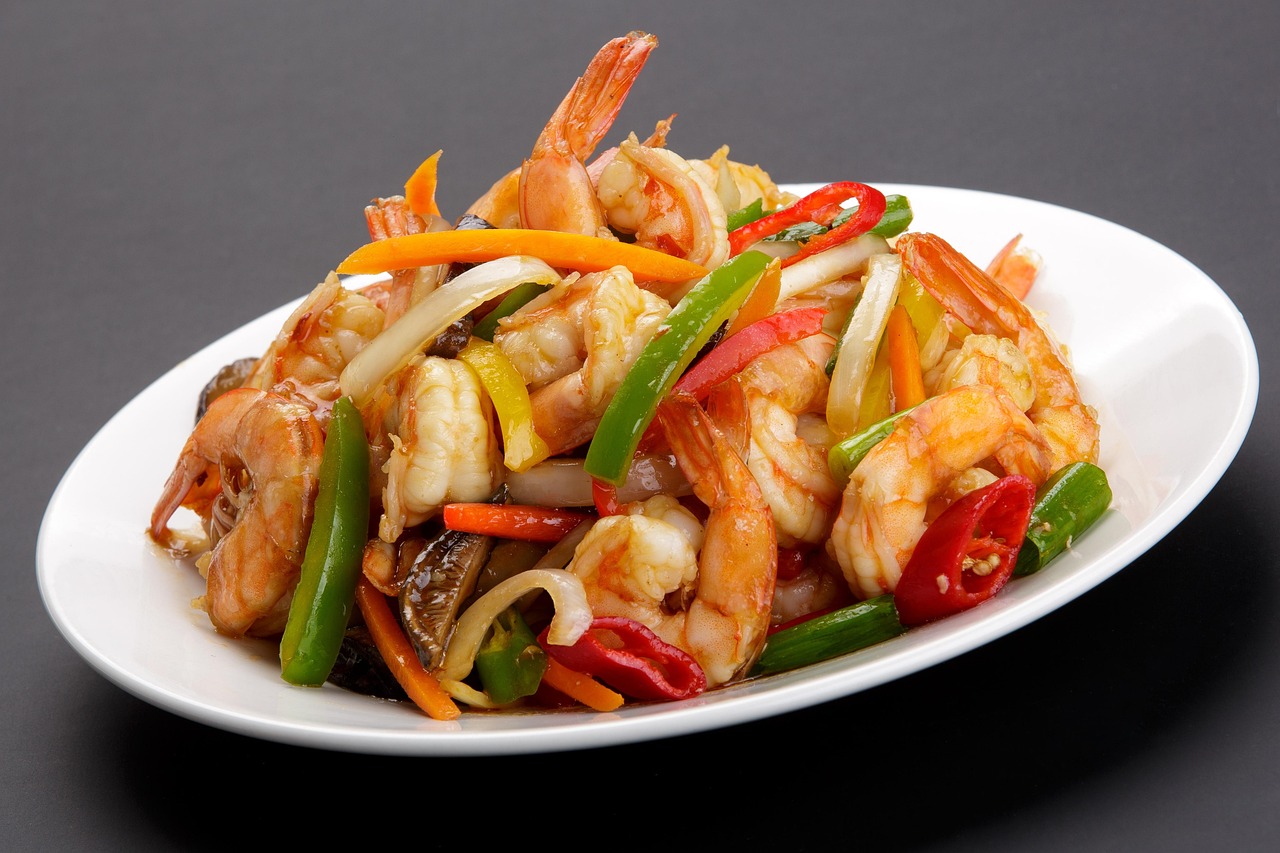
6. Chicken and vegetable stir-fry
Best for A takeout-style plate at home
- 473 kcal
- 43.3 g protein
- 12.6 g fiber
- 654 g (0.72 kcal per gram)
Maker-stated specs
Price Grocery staples (checked Oct 7, 2026)
Drawback About 715 mg sodium from the soy sauce
7. Cod with white beans, tomatoes and spinach
Best for One-pan fish
- 393 kcal
- 44.8 g protein
- 10.7 g fiber
- 514 g (0.77 kcal per gram)
Maker-stated specs
Price Grocery staples (checked Oct 7, 2026)
Drawback About 616 mg sodium from canned beans; rinse them
8. Chicken burrito bowl
Best for Build-your-own family dinners
- 443 kcal
- 43.5 g protein
- 14.0 g fiber
- 570 g (0.78 kcal per gram)
Maker-stated specs
Price Grocery staples (checked Oct 7, 2026)
Drawback About 603 mg sodium, mostly from salsa
9. Tofu and vegetable curry (dairy-free)
Best for Plant-based eaters
- 494 kcal
- 32.6 g protein
- 13.3+ g fiber
- 604 g (0.82 kcal per gram)
Maker-stated specs
Price Grocery staples (checked Oct 7, 2026)
Drawback The most calories and fat here, from coconut milk; contains soy
10. Sheet-pan salmon, broccoli and potatoes
Best for Easy omega-3 dinners
- 420 kcal
- 27.6 g protein
- 10.3 g fiber
- 476 g (0.88 kcal per gram)
Maker-stated specs
Price Grocery staples (checked Oct 7, 2026)
Drawback The smallest plate here; salmon is richer than white fish
All 10 dinners side by side
| # | Pick | Best for | Key specs (maker-stated) | Price range | Last checked |
|---|---|---|---|---|---|
| 1 | Chicken, lentil and vegetable soup | A big, warming bowl | 427 kcal; 45.7 g protein; 13.9 g fiber; 850 g of food (0.50 kcal per gram) | Grocery staples | Oct 7, 2026 |
| 2 | Turkey meatballs with spaghetti squash | Pasta night, lighter | 410 kcal; 29.5 g protein; 8.7 g fiber; 642 g (0.64 kcal per gram) | Grocery staples | Oct 7, 2026 |
| 3 | Turkey and bean chili | Cook once, eat twice | 449 kcal; 38.8 g protein; 13.7 g fiber; 692 g (0.65 kcal per gram) | Grocery staples | Oct 7, 2026 |
| 4 | Shrimp marinara with zucchini noodles | A 20-minute weeknight dinner | 370 kcal; 37.2 g protein; 7.3 g fiber; 538 g (0.69 kcal per gram) | Grocery staples | Oct 7, 2026 |
| 5 | Greek chicken and chickpea salad | No-cook summer dinners | 429 kcal; 39.6 g protein; 11.9 g fiber; 614 g (0.70 kcal per gram) | Grocery staples | Oct 7, 2026 |
| 6 | Chicken and vegetable stir-fry | A takeout-style plate at home | 473 kcal; 43.3 g protein; 12.6 g fiber; 654 g (0.72 kcal per gram) | Grocery staples | Oct 7, 2026 |
| 7 | Cod with white beans, tomatoes and spinach | One-pan fish | 393 kcal; 44.8 g protein; 10.7 g fiber; 514 g (0.77 kcal per gram) | Grocery staples | Oct 7, 2026 |
| 8 | Chicken burrito bowl | Build-your-own family dinners | 443 kcal; 43.5 g protein; 14.0 g fiber; 570 g (0.78 kcal per gram) | Grocery staples | Oct 7, 2026 |
| 9 | Tofu and vegetable curry (dairy-free) | Plant-based eaters | 494 kcal; 32.6 g protein; 13.3+ g fiber; 604 g (0.82 kcal per gram) | Grocery staples | Oct 7, 2026 |
| 10 | Sheet-pan salmon, broccoli and potatoes | Easy omega-3 dinners | 420 kcal; 27.6 g protein; 10.3 g fiber; 476 g (0.88 kcal per gram) | Grocery staples | Oct 7, 2026 |
| Item | Calories (kcal) | Protein (g) |
|---|---|---|
| Soup | 427 | 45.7 |
| Meatballs | 410 | 29.5 |
| Chili | 449 | 38.8 |
| Shrimp marinara | 370 | 37.2 |
| Greek salad | 429 | 39.6 |
| Stir-fry | 473 | 43.3 |
| Cod and beans | 393 | 44.8 |
| Burrito bowl | 443 | 43.5 |
| Tofu curry | 494 | 32.6 |
| Salmon sheet pan | 420 | 27.6 |
All 10 dinners are 370 to 494 calories with 27.6 to 45.7 g of protein.
Source: USDA FoodData Central (SR Legacy); InstaTuck calculation (checked on October 7, 2026)
The recipes
Each recipe makes one serving. Meat and fish weights are cooked weights. “Greek yogurt” means plain nonfat Greek yogurt, “brown rice” means cooked long-grain brown rice, and “canned tomatoes” are no-salt-added. Herbs, spices, vinegar and a light mist of cooking spray are not counted. Your brands will shift the numbers a little; the label on your package is the final word.
1. Chicken, lentil and vegetable soup
Soften 1/4 cup (40 g) chopped onion, 1/2 cup (61 g) sliced carrot and 1/2 cup (50 g) chopped celery in 1 teaspoon (4.5 g) olive oil. Add 1 1/2 cups (360 g) low-sodium chicken broth, 1/2 cup (120 g) canned tomatoes and 1/2 cup (99 g) cooked lentils, and simmer for 15 minutes. Stir in 3 ounces (85 g) diced cooked chicken breast and 1 cup (30 g) spinach until hot. 850 g of food for 427 calories, with 45.7 g protein and 13.9 g fiber. It’s the lowest energy density on the list, 0.50 calories per gram, because broth and vegetables make up most of the bowl.
2. Turkey meatballs with spaghetti squash
Roll seasoned 93% lean ground turkey into small meatballs and bake until 165 °F inside; a serving is 3 ounces (85 g) cooked. Warm them in 1/2 cup (128 g) low-sodium marinara and spoon over 2 cups (310 g) baked spaghetti squash strands, with 1 tablespoon (5 g) grated parmesan. Serve with a side salad of 2 cups (94 g) romaine dressed with 1 teaspoon (4.5 g) olive oil and 1 tablespoon (15 g) lemon juice. 410 calories, 29.5 g protein, 8.7 g fiber. Two cups of spaghetti squash have 84 calories, compared with about 349 in two cups of cooked whole-wheat spaghetti in USDA data. (We counted the turkey on its own; breadcrumbs or egg in the meatballs add a little.)
3. Turkey and bean chili
Brown 93% lean ground turkey in 1 teaspoon (4.5 g) olive oil with 1/4 cup (40 g) chopped onion and 1/2 cup (74.5 g) chopped red bell pepper; a serving is 3 ounces (85 g) cooked. Add 1 cup (240 g) canned tomatoes, 1/2 cup (89 g) cooked kidney beans, 1 cup (124 g) chopped zucchini, chili powder and cumin, and simmer for 20 minutes. Top with about 2 tablespoons (35 g) Greek yogurt. 449 calories, 38.8 g protein and 13.7 g fiber in 692 g of food. Chili keeps well, so make four servings and freeze some.
4. Shrimp marinara with zucchini noodles
Spiralize 1 medium zucchini (196 g). Saute 4 ounces (113 g) peeled shrimp with a clove of garlic (3 g) in 1 teaspoon (4.5 g) olive oil until pearly and opaque, add 1/2 cup (128 g) low-sodium marinara and 1 cup (30 g) spinach, then toss with the zucchini noodles and 1/2 cup (58.5 g) cooked whole-wheat spaghetti. Finish with 1 tablespoon (5 g) parmesan. Mixing real pasta with zucchini keeps the pasta feel for 370 calories, with 37.2 g protein. USDA lists no fiber value for this shrimp entry, so the 7.3 g we show comes from the vegetables and pasta.
5. Greek chicken and chickpea salad
Fill a big bowl with 3 cups (141 g) chopped romaine, 1 cup (104 g) sliced cucumber, 1 cup (149 g) cherry tomatoes and 2 tablespoons (20 g) sliced red onion. Add 3 ounces (85 g) sliced cooked chicken breast, 1/2 cup (82 g) cooked chickpeas and 1/2 ounce (14 g) crumbled feta. Dress with 1 teaspoon (4.5 g) olive oil, 1 tablespoon (15 g) lemon juice and oregano. 614 g of food, 429 calories, 39.6 g protein and 11.9 g fiber. A full tablespoon of oil instead of a teaspoon would add about 80 calories.
6. Chicken and vegetable stir-fry
Stir-fry 3.5 ounces (100 g) sliced chicken breast in 1 teaspoon (4.5 g) oil with a clove of garlic (3 g) until 165 °F. Add 1 cup (156 g) broccoli, 1/2 cup (74.5 g) red pepper, 1 cup (70 g) sliced mushrooms, 1 cup (70 g) shredded cabbage and 1/2 cup (61 g) sliced carrot, and cook until crisp-tender. Season with 1 tablespoon (14 g) low-sodium soy sauce and serve over 1/2 cup (101 g) brown rice. 473 calories, 43.3 g protein, 12.6 g fiber. Five vegetables make up more than half the plate by weight.
7. Cod with white beans, tomatoes and spinach
Soften 1/4 cup (40 g) onion and a clove of garlic (3 g) in 1 teaspoon (4.5 g) olive oil. Add 1/2 cup (120 g) canned tomatoes and 1/2 cup (131 g) rinsed canned white beans and simmer, then nestle in a cod fillet (about 5 ounces, 140 g cooked) and cover until the fish reaches 145 °F and flakes easily. Wilt in 2 cups (60 g) spinach and finish with 1 tablespoon (15 g) lemon juice. 393 calories with 44.8 g protein, the most protein per calorie on the list.
8. Chicken burrito bowl
Layer 2 cups (94 g) shredded romaine, 1/3 cup (67 g) brown rice, 1/2 cup (86 g) cooked black beans, 1/4 cup (41 g) corn kernels and 1/2 cup (90 g) chopped tomato. Top with 3 ounces (85 g) sliced cooked chicken breast, 1/4 cup (72 g) salsa and about 2 tablespoons (35 g) Greek yogurt in place of sour cream. 443 calories, 43.5 g protein and 14 g fiber. Set out the parts and let everyone build their own.
9. Tofu and vegetable curry (dairy-free)
Soften 1/4 cup (40 g) onion in 1 teaspoon (4.5 g) oil with curry powder and ginger. Add 1/2 cup (126 g) cubed firm tofu, 1 cup (107 g) cauliflower florets, 1/2 cup (120 g) canned tomatoes and 2 tablespoons (30 g) canned coconut milk, and simmer until the cauliflower is tender. Stir in 1/2 cup (80 g) frozen peas and 1 cup (30 g) spinach, and serve over 1/3 cup (67 g) brown rice. 494 calories, 32.6 g protein. USDA lists no fiber value for coconut milk, so the true fiber is a little above the 13.3 g shown. Light coconut milk would cut calories further.
10. Sheet-pan salmon, broccoli and potatoes
Toss 1 small red potato (138 g), cut into wedges, with 1 teaspoon (4.5 g) olive oil and roast at 425 °F for 15 minutes. Add 1 1/2 cups (234 g) broccoli florets and a 3-ounce (85 g cooked) salmon fillet, then roast until the fish reaches 145 °F. Squeeze over 1 tablespoon (15 g) lemon juice. 420 calories, 27.6 g protein, 10.3 g fiber. Salmon is the richest protein on this list, which is why it ranks last for energy density, and the Dietary Guidelines name omega-3-rich seafood as a source of healthy fats. (We used USDA’s boiled broccoli values for the roasted broccoli.)
How to make any dinner higher in volume
The high-volume dinner formula
- Start with half a plate of vegetablesNon-starchy vegetables give the most food for the fewest calories.
- Add a palm or two of lean proteinChicken, fish, shrimp, lean turkey, tofu, beans or lentils.
- Add a smaller scoop of whole grains or beansAbout 1/3 to 1/2 cup cooked rice, pasta, quinoa or beans.
- Measure the rich extrasOil, cheese, nuts and creamy sauces by the teaspoon or tablespoon.
- Make it brothy or saucySoups, stews and tomato sauces add volume with water, not fat.
The 2025-2030 Dietary Guidelines for Americans suggest protein foods at every meal, vegetables and fruits throughout the day and whole grains in place of refined ones, and they advise less than 2,300 mg of sodium a day for people 14 and older. All 10 dinners stay well under that, at 129 to 715 mg each. To see how many calories fit your day, try our calorie calculator; for protein, our protein calculator. If you’d rather not cook every night, our meal delivery picks compare portion-controlled services, and our meal-prep containers make leftovers easy to pack. A kitchen scale helps you match the grams in these recipes.
What a high-volume dinner can’t do
A big, light plate makes a calorie deficit easier to live with, but it doesn’t burn fat by itself. These dinners help most when they replace richer meals, not when they’re added on top. If you take a GLP-1 medicine and feel full quickly, a very large plate may be more than you want; our GLP-1 diet guide covers smaller, protein-first meals. For more on eating well, start at our nutrition hub, and our Mediterranean diet guide covers a style of eating these recipes fit into.
Food safety and allergies
FoodSafety.gov lists 165 °F for chicken and turkey (including ground poultry), 145 °F for fish or until it flakes easily, shrimp cooked until pearly and opaque, and 165 °F for reheated leftovers. The recipes contain several of the nine major allergens the FDA names: milk (yogurt, cheese), fish (cod, salmon), shellfish (shrimp), wheat (pasta, soy sauce) and soy (tofu, soy sauce). The soup, meatballs (without parmesan), chili (without yogurt) and curry are easy to make dairy-free.
Records in this article
Related guides
 Online Dietitian Services Compared: Insurance, Cost and What’s IncludedFive online dietitian services compared, alphabetical and not ranked: insurance, self-pay prices, visit length, messaging, states…
 Weight-Loss Meal Plan: A 7-Day Plan at 1,500 and 1,800 CaloriesA free 7-day weight-loss meal plan at 1,500 and 1,800 calories, with grams and calories for…
 Fiber Supplements Compared: Psyllium vs Glucomannan vs Inulin (Rated by Evidence)Fiber supplements compared and rated by evidence for weight: psyllium, inulin, beta-glucan, glucomannan, guar gum, wheat…
 Alternate-Day Fasting vs 16:8 vs 5:2: Fasting Methods ComparedTypes of intermittent fasting compared: 16:8, 5:2 and alternate-day fasting, what a week looks like on…
Questions to ask a professional
- How many calories and how much protein should my dinners have?
- Do I need to limit sodium, potassium or protein because of my health or medicines?
- How can I adjust these recipes for diabetes or a GLP-1 medicine?
- Would a registered dietitian help me plan dinners for my family?
Frequently asked questions
What is a good low-calorie dinner for weight loss?
One that fills you up for its calories: plenty of vegetables, a lean protein and a modest portion of whole grains or beans. Our top-ranked dinners, a chicken and lentil soup, turkey meatballs with spaghetti squash and a turkey and bean chili, each give 410 to 449 calories with 30 to 46 grams of protein.
How many calories should dinner be when losing weight?
It depends on your daily target and how you spread your meals. Many people on 1,500 to 1,800 calories a day eat dinners of about 400 to 600 calories. Our calorie calculator estimates your daily needs, and a dietitian can help you plan.
What does high-volume eating mean?
Choosing foods with few calories per gram, such as vegetables, fruit, broth-based soups and lean proteins, so you can eat a larger portion for the same calories. Research by Barbara Rolls and colleagues found that lowering energy density reduced calorie intake without increasing hunger.
Can I make these dinners ahead?
Yes. The soup, chili, meatballs, curry and cod with beans reheat well; refrigerate leftovers and reheat them to 165 degrees F, as FoodSafety.gov advises. Keep salad dressing separate until you eat.
Are these dinners suitable for a family?
Yes. Each recipe makes one serving, so multiply the ingredients. Children and more active adults can add more rice, pasta, potatoes or bread to their own plates.
References
- FoodData Central (SR Legacy, April 2018 release). U.S. Department of Agriculture, Agricultural Research Service, 2018. (accessed October 7, 2026) Government page
- Rolls BJ, Roe LS, Meengs JS. Reductions in portion size and energy density of foods are additive and lead to sustained decreases in energy intake. American Journal of Clinical Nutrition, 2006. doi:10.1093/ajcn/83.1.11 · PMID 16400043 (accessed October 7, 2026) Randomized trial
- Ello-Martin JA, Roe LS, Ledikwe JH, et al.. Dietary energy density in the treatment of obesity: a year-long trial comparing 2 weight-loss diets. American Journal of Clinical Nutrition, 2007. doi:10.1093/ajcn/85.6.1465 · PMID 17556681 (accessed October 7, 2026) Randomized trial
- Flood JE, Rolls BJ. Soup preloads in a variety of forms reduce meal energy intake. Appetite, 2007. doi:10.1016/j.appet.2007.04.002 · PMID 17574705 (accessed October 7, 2026) Randomized trial
- Rolls BJ, Roe LS, Meengs JS. Salad and satiety: energy density and portion size of a first-course salad affect energy intake at lunch. Journal of the American Dietetic Association, 2004. doi:10.1016/j.jada.2004.07.001 · PMID 15389416 (accessed October 7, 2026) Randomized trial
- Dietary Guidelines for Americans, 2025-2030. U.S. Department of Agriculture and U.S. Department of Health and Human Services, 2026. (accessed October 7, 2026) Guideline
- Safe Minimum Internal Temperature Chart. FoodSafety.gov (U.S. Department of Health and Human Services). (accessed October 7, 2026) Government page
- Food Allergies. U.S. Food and Drug Administration. (accessed October 7, 2026) Government page
Facts checked on October 7, 2026
Educational information, not medical advice. Talk with a qualified healthcare professional about your own situation. In an emergency call 911.
Leave a Reply