Category: Best Picks

  • 10 Best Fitness Trackers for Weight Loss (2026)

    10 Best Fitness Trackers for Weight Loss (2026)

    In short: Our top researched pick for weight loss is the Fitbit Charge 6 ($159.95): a slim band with built-in GPS, 24/7 heart rate and a battery the maker rates at 7 days. Garmin users will feel at home with the Garmin vivosmart 5 ($149.99), and the Amazfit Bip 6 ($69.99 to $79.99) offers up to 14 days of battery and a free app at the lowest price. Whatever you choose, trust a tracker’s step count far more than its calorie count.
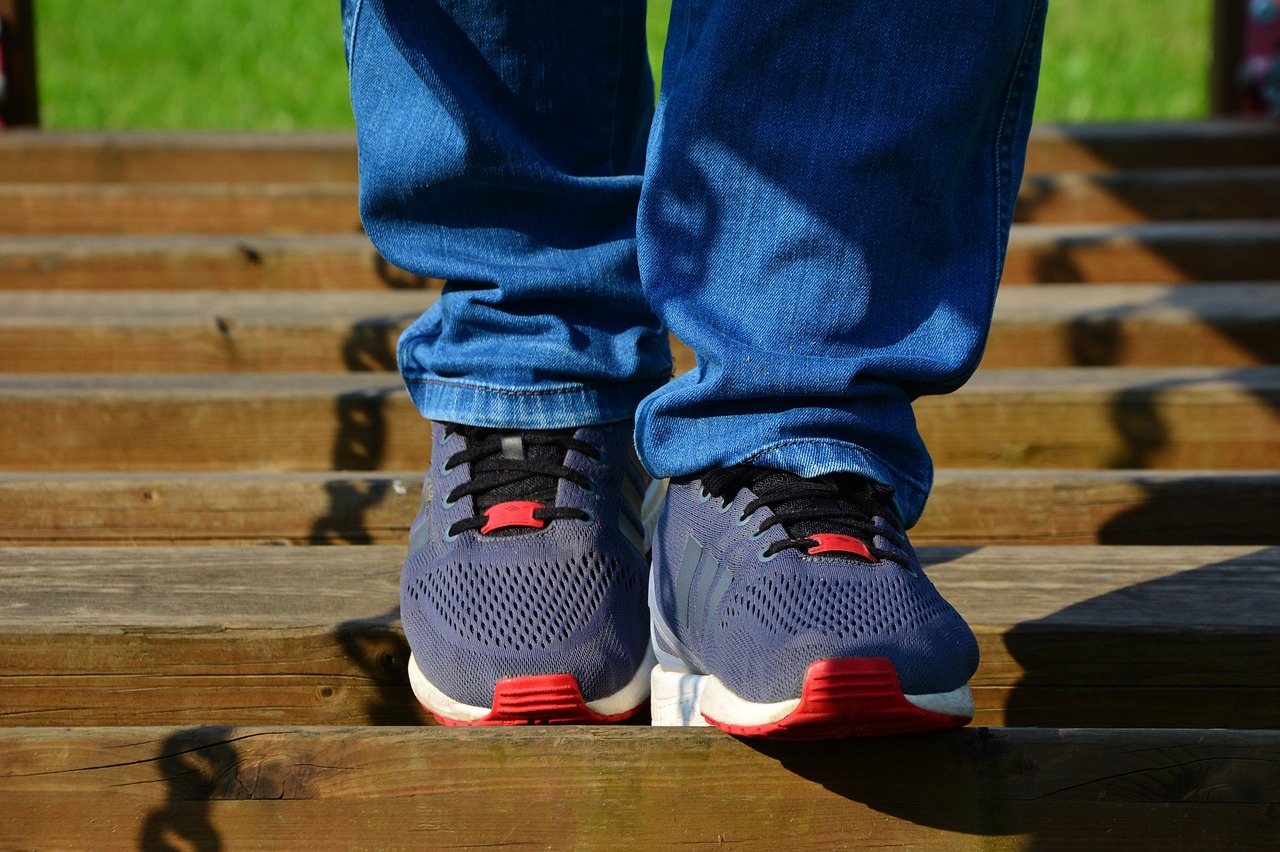
    Walk, legs, running, feet, shoes, move, young man, balance, wooden planks, corridor, feet, feet, feet, feet, feet
    Photo: congerdesign / Pixabay

    Specifications and prices are maker-stated and were checked on October 6, 2026. We research; we don’t test. A tracker is a nudge, not a calorie meter: it helps most when you use it to walk more and sit less, as our guide to walking for weight loss explains.

    The picks

    We checked the U.S. Consumer Product Safety Commission’s recalls on October 6, 2026. The one relevant recall we found was for the Fitbit Ionic smartwatch in 2022 (battery overheating and burns); the Ionic is discontinued and is not on this list, and we found no recall for the current models below.

    10 fitness trackers, researched

    1. 1. Fitbit Charge 6

      Best for Most people: a slim band that tracks walks without a phone

      • Built-in GPS
      • 24/7 heart rate, steps and Active Zone Minutes
      • up to 7 days of battery

      Maker-stated specs

      Price $159.95 (checked Oct 6, 2026)

      Drawback Some insights, such as the daily readiness score, need a paid Google Health Premium membership

    2. 2. Garmin vivosmart 5

      Best for A simple band in the Garmin app ecosystem

      • Up to 7 days of battery
      • water rated 5 ATM
      • connected GPS through your phone

      Maker-stated specs

      Price $149.99 (checked Oct 6, 2026)

      Drawback No GPS of its own: your phone must come along to map a walk

    3. 3. Amazfit Bip 6

      Best for The lowest price with long battery life

      • Up to 14 days of battery
      • AMOLED display, 140+ workout modes
      • free Zepp app with food tracking

      Maker-stated specs

      Price $69.99 to $79.99 (checked Oct 6, 2026)

      Drawback A watch-size body, bulkier than a slim band

    4. 4. Fitbit Inspire 3

      Best for A light, low-cost band for steps and sleep

      • Up to 10 days of battery
      • 24/7 heart rate
      • water rated 5 ATM

      Maker-stated specs

      Price $99.95 (checked Oct 6, 2026)

      Drawback Uses your phone's GPS for pace and distance

    5. 5. Garmin vivoactive 5

      Best for Walkers who also run, ride or swim

      • Up to 11 days in smartwatch mode
      • up to 21 hours with GPS
      • built-in GPS

      Maker-stated specs

      Price $269.99 (checked Oct 6, 2026)

      Drawback Nearly twice the price of the bands above

    6. 6. Apple Watch SE 3

      Best for iPhone users who want a full smartwatch

      • Up to 18 hours of normal use
      • built-in GPS
      • workout tracking

      Maker-stated specs

      Price From $249 (checked Oct 6, 2026)

      Drawback Needs an iPhone and a charge most days

    7. 7. Google Fitbit Air

      Best for A newer Fitbit tracker at a band price

      • 24/7 heart rate, steps, distance and Active Zone Minutes
      • water-resistant design
      • up to a week of battery

      Maker-stated specs

      Price $99.99 (checked Oct 6, 2026)

      Drawback A new model, with little independent accuracy research yet

    8. 8. Fitbit Versa 4

      Best for A Fitbit smartwatch with a larger screen

      • Built-in GPS
      • 6+ days of battery
      • a day's charge in about 12 minutes

      Maker-stated specs

      Price $199.95 (checked Oct 6, 2026)

      Drawback Shorter battery than the Fitbit bands

    9. 9. Apple Watch Series 12

      Best for iPhone users who want the longest Apple battery

      • Up to 24 hours of normal use
      • up to 10 hours of workout tracking
      • built-in GPS

      Maker-stated specs

      Price From $399 (checked Oct 6, 2026)

      Drawback Needs an iPhone, at the highest price for a watch here

    10. 10. Oura Ring 5

      Best for People who would rather wear a ring than a band

      • 6 to 9 days of battery
      • water resistant to 100 m
      • heart rate and sleep tracking

      Maker-stated specs

      Price $399 plus $5.99 a month (checked Oct 6, 2026)

      Drawback Requires an Oura Membership ($5.99 a month or $69.99 a year) for most insights

    All 10 picks compared

    #PickBest forKey specs (maker-stated)Price rangeLast checked
    1Fitbit Charge 6Most people: a slim band that tracks walks without a phoneBuilt-in GPS; 24/7 heart rate, steps and Active Zone Minutes; up to 7 days of battery$159.95Oct 6, 2026
    2Garmin vivosmart 5A simple band in the Garmin app ecosystemUp to 7 days of battery; water rated 5 ATM; connected GPS through your phone$149.99Oct 6, 2026
    3Amazfit Bip 6The lowest price with long battery lifeUp to 14 days of battery; AMOLED display, 140+ workout modes; free Zepp app with food tracking$69.99 to $79.99Oct 6, 2026
    4Fitbit Inspire 3A light, low-cost band for steps and sleepUp to 10 days of battery; 24/7 heart rate; water rated 5 ATM$99.95Oct 6, 2026
    5Garmin vivoactive 5Walkers who also run, ride or swimUp to 11 days in smartwatch mode; up to 21 hours with GPS; built-in GPS$269.99Oct 6, 2026
    6Apple Watch SE 3iPhone users who want a full smartwatchUp to 18 hours of normal use; built-in GPS; workout trackingFrom $249Oct 6, 2026
    7Google Fitbit AirA newer Fitbit tracker at a band price24/7 heart rate, steps, distance and Active Zone Minutes; water-resistant design; up to a week of battery$99.99Oct 6, 2026
    8Fitbit Versa 4A Fitbit smartwatch with a larger screenBuilt-in GPS; 6+ days of battery; a day's charge in about 12 minutes$199.95Oct 6, 2026
    9Apple Watch Series 12iPhone users who want the longest Apple batteryUp to 24 hours of normal use; up to 10 hours of workout tracking; built-in GPSFrom $399Oct 6, 2026
    10Oura Ring 5People who would rather wear a ring than a band6 to 9 days of battery; water resistant to 100 m; heart rate and sleep tracking$399 plus $5.99 a monthOct 6, 2026

    Why these picks, and in this order

    • Fitbit Charge 6 (1). Built-in GPS on a slim band is rare. It means outdoor walks record distance and pace without your phone, and a 7-day battery means you can wear it to bed and track sleep. The paid Premium tier is optional.
    • Garmin vivosmart 5 (2). A comparable band for people who prefer Garmin’s app, with the same 7-day battery and a 5 ATM water rating. It ranks second because it lacks built-in GPS.
    • Amazfit Bip 6 (3). The best specs for the money we found: up to 14 days of battery, an AMOLED screen and a free app that includes food logging, for under $80.
    • Fitbit Inspire 3 (4). The simplest and lightest choice, with up to 10 days of battery at $99.95; it borrows your phone’s GPS.
    • Picks 5 to 10. Full smartwatches and a ring. They add GPS sports modes, apps, calls or a different form, and cost more. The Apple Watches need an iPhone, and the Oura Ring needs a monthly membership.
    Maker-stated battery life of each pickValues in days
    Maker-stated battery life of each pick
    ItemLowHigh
    Apple Watch SE 30.75 days0.75 days
    Apple Watch Series 121 days1 days
    Fitbit Versa 46 days6 days
    Oura Ring 56 days9 days
    Fitbit Charge 67 days7 days
    Garmin vivosmart 57 days7 days
    Google Fitbit Air7 days7 days
    Fitbit Inspire 310 days10 days
    Garmin vivoactive 511 days11 days
    Amazfit Bip 614 days14 days

    Apple rates the SE 3 at up to 18 hours and the Series 12 at up to 24 hours of normal use. Figures are the makers' best case; GPS and always-on screens shorten them.

    Source: Maker product pages and manuals (Google Store, Garmin, Apple, Amazfit, Oura) (checked on October 6, 2026)

    What trackers measure well, and what they don’t

    A large review of 158 studies found that, in lab settings, wrist wearables from the major brands counted steps accurately, measured heart rate with variable accuracy, and estimated energy expenditure inaccurately for every brand studied. A Stanford study of seven wrist devices in 60 volunteers found the same split: the median heart-rate error was as low as 2.0% for the best device, but no device estimated calories with less than 20% error, and the range ran from 27% to 93%.

    Median error in a lab study of 7 wrist devicesValues in %
    Median error in a lab study of 7 wrist devices
    ItemValue
    Heart rate, most accurate device2%
    Heart rate, least accurate device6.8%
    Calories, most accurate device27.4%
    Calories, least accurate device92.6%

    Older models than those on this list; newer devices may do better, but no brand in later reviews estimated calories accurately.

    Source: Shcherbina et al., Journal of Personalized Medicine 2017 (60 adults, indirect calorimetry) (checked on October 6, 2026)

    That is why we suggest ignoring the “calories burned” number when deciding how much to eat. If you add those calories back as food, you can cancel out the calorie deficit you are working toward. A better approach is to estimate your daily needs with our TDEE calculator or calorie calculator, and to use the tracker for what it does well: steps, active minutes and trends. For a specific activity, our calories burned calculator uses published energy costs instead of a wrist estimate.

    Do fitness trackers help with weight loss?

    Yes, modestly, by helping people move more. An umbrella review in The Lancet Digital Health pooled 39 systematic reviews covering about 164,000 participants. Activity trackers were linked with about 1,800 more steps a day, about 40 more minutes of walking a day and roughly 1 kg (about 2 lb) less body weight. The benefit came from more activity, not from the device itself.

    What tracker studies found, pooled

    Checked on October 6, 2026

    How many steps should you aim for?

    The famous 10,000-step goal is a round number, not a research threshold. A meta-analysis of 15 cohorts with 47,471 adults found that more daily steps were linked with a progressively lower risk of death, leveling off at about 6,000 to 8,000 steps a day in adults 60 and older and 8,000 to 10,000 steps a day in younger adults. For weight loss, the practical goal is simply more than you do now: if you average 4,000 steps, aim for 5,000, then build.

    Where the benefit of more steps leveled offValues in steps a day
    Where the benefit of more steps leveled off
    ItemValue
    Adults 60 and older (low end)6,000 steps a day
    Adults 60 and older (high end)8,000 steps a day
    Adults under 60 (low end)8,000 steps a day
    Adults under 60 (high end)10,000 steps a day

    Associations with all-cause mortality in observational studies, not a weight-loss target.

    Source: Paluch et al., Lancet Public Health 2022 (15 cohorts, 47,471 adults) (checked on October 6, 2026)

    How to choose a fitness tracker

    1. Your phone. Apple Watches need an iPhone (iPhone 11 or later for the current watchOS). Oura’s app runs on iOS and Android; for the other brands, check the maker’s compatibility page for your phone model.
    2. Battery you’ll actually live with. If you want sleep tracking, a battery of 7 days or more means fewer gaps. Daily charging suits some people and not others.
    3. GPS. Built-in GPS (Fitbit Charge 6 and Versa 4, Garmin vivoactive 5, Apple Watch) records outdoor walks without a phone. Bands without it borrow your phone’s GPS.
    4. Total cost. Add any membership to the price: Oura’s is $5.99 a month, and Google Health Premium starts at $9.99 on the Google Store. Amazfit describes its Zepp app as free.
    5. Privacy. Trackers collect heart rate, sleep and location. Read the app’s privacy settings, turn off sharing you don’t need and check how to delete your data.
    6. Comfort. The best tracker is the one you keep wearing. A slim band or ring may suit you better than a large watch.

    What a tracker can’t do

    Trackers sold for fitness are general wellness products, not medical devices, unless a specific feature has its own FDA clearance. They can’t tell you how many calories you should eat, and their sleep and “readiness” scores are estimates. They also can’t make up for the basics: eating in a modest deficit, walking more, and two or more days a week of strength training to protect muscle, as the Physical Activity Guidelines for Americans recommend for adults.

    Getting more out of a tracker

    • Find your baseline first. Wear it normally for a week before setting goals, so your target starts from your real average rather than a number from an ad.
    • Raise the goal in small steps. An extra 500 to 1,000 steps a day is easier to keep than a jump to 10,000. A short walk after each meal adds up quickly.
    • Use the reminders. Most trackers can buzz after a long stretch of sitting. A two-minute walk every hour breaks up a desk day.
    • Look at weeks, not days. Rest days, travel and bad weather happen. The weekly average tells you whether your activity is really changing.
    • Check your privacy settings once. Turn off public sharing and location history you don’t need, and note how to export or delete your data if you switch brands.

    Related gear and guides

    A walking pad is a simple way to add steps to a workday, and our walking pad guide explains how to set one up. A smart scale shows the weight trend that your extra activity supports. Our metabolism guide explains why calorie needs differ from person to person, the exercise hub covers other ways to move, and our guide to keeping weight off explains why staying active matters long term. For equipment more broadly, see the gear hub.

    Sources and last checked

    Specifications and prices were read on October 6, 2026 on the Google Store (Fitbit Charge 6, Inspire 3, Versa 4, Google Fitbit Air), garmin.com and Garmin’s owner’s manuals (vivosmart 5, vivoactive 5), apple.com (Apple Watch SE 3 and Series 12), us.amazfit.com (Bip 6) and ouraring.com (Oura Ring 5 and membership). Recall checks were run on cpsc.gov the same day. Updated: first published October 2026.

  • How We Choose Our Best Picks (Methodology)

    How We Choose Our Best Picks (Methodology)

    In short: InstaTuck researches products; we don’t test them. Every “best” list is a set of researched picks built from published, checkable information: fit for the goal, safety and recalls, maker-stated specifications, value, usability and privacy, and patterns in what buyers report. Commissions, free samples, advertising and brand requests never change the order. Medical treatments are never ranked, and supplements are rated by evidence instead of “best”.

    This page is the full method behind every list in our Best Picks section. Each list shows a short version of it in a box above the first pick and links here. It sits alongside our editorial standards, which cover how we source and review all of our content, and our about page, which explains who we are. If something on a list looks wrong to you, please tell us through the contact page; corrections are listed at the bottom of each list.

    We research. We don’t test.

    InstaTuck does not run a product lab, and we have not used every item on our lists. Plenty of sites say “we tested” when they mean “we read the box”. We would rather be plain about it. We call our choices “researched picks”: each one comes from published, checkable information, and we show you where it came from so you can check it too.

    That has a practical upside. Because we don’t rely on a few hours with one sample, we can look at a much wider set of products, compare what each maker actually states, read the safety record and look for patterns across many buyers instead of one tester’s impression. It also has limits: we can’t tell you how a walking pad’s belt feels under your feet or how a pair of leggings wears after six months. Where hands-on details matter, we say so and point you to the return policy.

    What we look at, in this order

    The order matters. A product that does well on price but poorly on safety never moves ahead of a safer one. We work through six criteria, in this sequence:

    The six criteria, in order

    1. Fit for the goalDoes it help with losing weight, building or keeping muscle, or keeping weight off? We say how strong the evidence is for the category, not for any brand.
    2. SafetyRecalls (CPSC, FDA), warnings, user-weight limits, certifications such as UL for electrical gear or NSF Certified for Sport and Informed Choice for protein powders, and food-safety materials.
    3. Maker-stated specsSize, capacity, speed, accuracy claims, nutrition labels, ingredients and price, copied from the maker's own pages. Independent validation is cited where it exists.
    4. ValueThe price on the day we checked, subscription or refill costs, the warranty and the return policy.
    5. Usability and supportSetup, app quality, data privacy (what is collected and shared), US availability and customer service policies.
    6. What buyers reportRecurring issues in public reviews, read as patterns. One review is never treated as proof.

    1. Fit for the goal

    We start with the question you care about: will this help? For most products the honest answer depends on how you use them. A fitness tracker doesn’t burn calories; it can help you notice and nudge your activity. So we describe the evidence for the kind of product (trackers, smart scales, meal replacements, calorie apps) and keep it separate from any one brand’s marketing. When a maker claims more than the research supports, we leave the claim out.

    2. Safety

    Before a product makes a list, we search the U.S. Consumer Product Safety Commission (CPSC) recalls and warnings for consumer products, and FDA recalls, warning letters and tainted-product alerts for foods and supplements. We check user-weight limits for equipment, electrical certifications for anything you plug in, and third-party testing programs for protein powders and other products where contamination is a known concern. A product with an unresolved recall or an active government warning doesn’t appear on our lists.

    3. Maker-stated specifications

    We copy specifications from the maker’s own product page on the day we check, and we label them “maker-stated”. We don’t take specs from resellers or other review sites, because they are often out of date. If we can’t confirm a product’s specifications or that it is still sold, we leave it out, even if that means a list has fewer than 10 picks. When independent research has tested the accuracy of a product type (for example, how well consumer body-fat scales agree with lab scans), we cite it next to the maker’s claims.

    4. Value

    We show a price range with the date we checked it, because prices change often. We also count the costs that come later: subscriptions, refills, replacement parts and memberships. A warranty and a fair return window add real value, especially for items you can’t try before buying, like shapewear or a walking pad.

    5. Usability, support and privacy

    Connected devices collect personal data: your weight, heart rate, sleep and location. We look at whether a product works without an account or app, what the privacy policy says about sharing, and whether you can export or delete your data. We also check that the product is sold and supported in the United States.

    6. What buyers report, as a pattern

    Public reviews are useful for spotting repeated problems, such as “the belt slips after a few months” or “the waistband rolls when sitting”. We read them for patterns and mention a pattern as an honest drawback. We never quote a single review as proof, and we never use star ratings as scores.

    How each kind of list is ordered

    Different products need different priorities, so each list family has its own order. It is fixed in advance and shown on every list, so the order can’t drift toward whatever pays best.

    List familyOrder by
    Gear (walking pads, bikes, dumbbells, scales, trackers, rings)Safety and recalls, then fit for the use case, maker-stated specs against price, warranty and returns, and data privacy for connected devices
    Protein, bars, meal replacements, electrolytesThird-party certification, then protein (or the key nutrient) per 100 calories, sugar and added ingredients, and price per serving
    Meal deliveryCalorie and protein transparency, then portion control, menu range for different diets, price per meal and delivery area
    Apps and non-prescription programsPublished evidence for the approach (or the program itself), then self-monitoring features, privacy, total cost and cancellation terms
    Shapewear, compression, shoesSize range and fit tools, then fabric and comfort, stated compression, returns and price
    DietsWeight-loss evidence at 12 months or more, then health markers, how easy it is to stick to, nutrient adequacy and cost
    Exercises and workoutsEnergy cost (Compendium METs), then muscle and strength benefit, joint load and accessibility, and equipment needed
    Foods, recipes, drinksSatiety and energy density, then protein and fiber, calories per serving, and cost and availability
    HabitsStrength of evidence (trials and registry data), then how easy it is to start and how long it lasts
    The order for each family is set in advance and printed in the method box on every list.

    What never affects the order

    Commissions, free samples, advertising and brand requests never affect which products appear or where they sit. We don’t take payment for placement. Today our lists carry no affiliate links at all. When we later earn from links, every list will say so above the first link, and the order will not change. We would pick the same items with no links at all.

    That follows the spirit of the Federal Trade Commission’s Endorsement Guides, which say that a connection between a reviewer and a brand that readers wouldn’t expect, such as a commission, has to be disclosed clearly and close to the recommendation, not hidden behind a link. We go one step further: the connection can’t change the recommendation in the first place.

    What we leave out

    • Products with unresolved safety recalls or active government warnings.
    • Weight-loss claims without diet or activity changes. Anything that promises results while you sit still is out.
    • “Research peptides” and unapproved drugs, including products sold as “not for human use” and imitations of prescription medications.
    • Medical claims a product can’t make. The FTC expects health benefit claims to be backed by competent and reliable scientific evidence, generally randomized, controlled human trials. A scale, a garment or a snack that claims to treat a disease doesn’t make our lists.
    • Products we couldn’t verify. If the maker’s page doesn’t state the specs, or we can’t confirm the product is still sold, it stays off the list.

    Medical topics are never ranked

    We don’t publish “best” lists of medications, procedures, surgeons, clinics or telehealth prescribers. Choosing among them depends on your health history, and that decision belongs to you and your clinician. For these topics we compare every option side by side in our comparisons hub, explain what the FDA label or the guidelines say, and suggest questions to ask. You can start with our guides to weight-loss medications and weight-loss procedures, or use Find My Options to see which approaches match your situation. Our Learn hub explains how to read the studies behind them.

    Supplements are rated by evidence, never by “best”. Our supplements guide labels each ingredient’s evidence for weight loss as established, partly established or not established, and lists known risks and drug interactions. We never place supplement content next to prescription-medication content.

    Connected devices: privacy and the limits of wellness gear

    Smart scales, fitness trackers and rings sold for fitness are, in general, low-risk wellness products. The FDA’s general wellness guidance, most recently updated in January 2026, describes its approach to products that promote a healthy lifestyle without claiming to diagnose or treat disease. That means these devices are not reviewed by the FDA the way medical devices are, and their body-fat or calorie numbers are estimates. Our lists say how accurate each type of reading tends to be, using independent studies, and treat the readings as trends rather than diagnoses.

    Dates, updates and corrections

    Every list shows “Last checked: <date>” on each pick. We re-check prices, availability and recalls every 3 months, and the whole list once a year or when something important changes, such as a new recall or a discontinued model. The “Last checked” date only changes when we actually re-checked. A short “Updated: what changed” note goes at the bottom of each list.

    How often we re-check

    • 3 monthsprices, availability, recalls, maker specs, privacy labels and cancellation terms on every list
    • 12 monthsfull refresh of every list: picks, order and sources
    • 7 daysfor medication and procedure comparisons, after any FDA action

    Checked on October 6, 2026

    Who does the research

    The author and, when a topic needs one, the reviewer are named with their credentials on every list. Lists that touch nutrition are reviewed against registered dietitian standards, and anything that touches prescription treatment follows the medical review process in our editorial standards. Until a clinician has signed off, those pages say “Fact-checked against FDA labels and official sources; not yet reviewed by a licensed clinician.”

    Start with a list

    Our first lists cover the gear people ask about most: walking pads, smart scales, fitness trackers, weighted vests, compression leggings and tummy-control shapewear. For how to choose equipment in general, see our gear hub.

  • 8 Best Protein Powders for Weight Loss (Third-Party Certified, 2026)

    8 Best Protein Powders for Weight Loss (Third-Party Certified, 2026)

    In short: Every powder on this list is listed in NSF’s Certified for Sport database, which checks that the label matches what’s inside and screens for banned substances and contaminants. Ranked by protein per calorie, the top three are BulkSupplements Casein Protein Powder (unflavored, lowest cost per serving), Momentous Whey Protein Isolate (20 g protein for 90 calories) and Transparent Labs Grass-Fed Whey Protein Isolate (28 g for 130). For plant protein, Thorne Plant Protein and Bare Performance Nutrition Vegan Protein made the list.

    We research; we don’t test. Every number below is maker-stated, copied from the maker’s own nutrition label on October 6, 2026, and every certification was checked in NSF’s public registry the same day. We found eight powders that passed every check, so this is an honest list of eight rather than a padded ten. Nothing here is sold by InstaTuck, and the order never depends on commissions. Protein powder is food, not a weight-loss treatment: it helps when it replaces a less filling snack or makes it easier to reach your protein target, which our protein calculator estimates.

    Why we only list third-party certified powders

    Protein powders are sold as foods or dietary supplements, and the FDA states that it “does not have the authority to approve dietary supplements before they are marketed”; makers are responsible for safety and truthful labels. Independent certification fills part of that gap. NSF’s Certified for Sport program verifies that a product contains none of 290 substances banned by major athletic organizations, that the contents match the label, that there are no unsafe levels of contaminants, and that it is made in a GMP-certified facility audited by NSF.

    Heavy metals are a real concern. In tests published in October 2025 (updated January 2026), Consumer Reports found that plant-based protein products averaged about nine times as much lead as dairy-based ones. We used those results as a safety check: two NSF-listed plant powders we considered were left out because Consumer Reports advised limiting them (see “What we left out” below).

    Lead per serving as a share of Consumer Reports' daily level of concernValues in %
    Lead per serving as a share of Consumer Reports' daily level of concern
    ItemValue
    Momentous Whey Isolate30%
    Optimum Nutrition Gold Standard 100% Whey56%
    Vega Premium Sport (left out)185%
    Momentous 100% Plant Protein (left out)476%
    Garden of Life Sport Organic Plant-Based (left out)564%

    CR's level of concern is 0.5 micrograms of lead a day. Only products CR tested are shown; the other picks on this list were not in CR's test.

    Source: Consumer Reports, Protein Powders and Shakes Contain High Levels of Lead (Oct 2025, updated Jan 2026) (checked on October 6, 2026)

    The 8 best protein powders for weight loss

    8 third-party certified protein powders, ranked

    1. 1. BulkSupplements Casein Protein Powder (unflavored)

      Best for Lowest cost per serving; slow-digesting protein to mix into food

      • 25 g protein, 110 kcal per 30 g serving (22.7 g per 100 kcal)
      • 0 g sugar
      • one ingredient: casein

      Maker-stated specs

      Price $20.97 (100 g) to $194.97 (5 kg); about $1.24 per serving in the 1 kg bag (checked Oct 6, 2026)

      Drawback Unflavored and plain; NSF lists it as "Casein Powder", so check the NSF mark on the bag you buy

    2. 2. Momentous Whey Protein Isolate

      Best for The fewest calories per serving

      • 20 g protein, 90 kcal per scoop (22.2 g per 100 kcal, chocolate)
      • less than 1 g sugar
      • sweetened with monk fruit and stevia

      Maker-stated specs

      Price $69.99 for 25 servings (about $2.80 each) (checked Oct 6, 2026)

      Drawback Highest price per serving on this list

    3. 3. Transparent Labs Grass-Fed Whey Protein Isolate

      Best for The most protein per scoop

      • 28 g protein, 130 kcal per scoop (21.5 g per 100 kcal, milk chocolate)
      • 1 g sugar, 0 g added
      • sweetened with stevia

      Maker-stated specs

      Price $64.99 for 30 servings (about $2.17 each) (checked Oct 6, 2026)

      Drawback Some flavors were out of stock on the day we checked

    4. 4. Thorne Whey Protein Isolate

      Best for A short ingredient list with natural sweeteners

      • 21 g protein, 100 kcal per scoop (21.0 g per 100 kcal, vanilla)
      • 3 g sugar
      • sweetened with cane sugar and stevia

      Maker-stated specs

      Price $65 for 30 scoops (about $2.17 each) (checked Oct 6, 2026)

      Drawback Contains some cane sugar, unlike most isolates here

    5. 5. Bare Performance Nutrition Grass-Fed Whey Protein Isolate

      Best for A high-protein isolate with no added sugar

      • 25 g protein, 120 kcal per scoop (20.8 g per 100 kcal, vanilla)
      • less than 1 g sugar, 0 g added
      • sweetened with stevia (Reb M)

      Maker-stated specs

      Price $64.99 for 25 servings (about $2.60 each) (checked Oct 6, 2026)

      Drawback Only three flavors

    6. 6. Optimum Nutrition Gold Standard 100% Whey (Double Rich Chocolate)

      Best for Wide availability and the best value in big tubs

      • 24 g protein, 120 kcal per 31 g scoop (20.0 g per 100 kcal)
      • 1 g sugar
      • whey isolate, concentrate and hydrolyzed whey

      Maker-stated specs

      Price $26.49 (10 servings) to $229.99 (149 servings); about $1.78 per serving in the 5 lb tub (checked Oct 6, 2026)

      Drawback Uses an artificial sweetener (acesulfame potassium); NSF lists only certain flavors, so check yours

    7. 7. Thorne Plant Protein (Chocolate)

      Best for Dairy-free with a higher protein count

      • 22 g protein, 140 kcal per serving (15.7 g per 100 kcal)
      • 0 g added sugar
      • pea, brown rice and chia protein, sweetened with stevia (Reb M) and monk fruit

      Maker-stated specs

      Price $49 per container (40 scoops; a serving is 2 scoops) (checked Oct 6, 2026)

      Drawback Plant powders tend to carry more lead than dairy ones; this product was not in Consumer Reports' test

    8. 8. Bare Performance Nutrition Vegan Protein (Chocolate)

      Best for Dairy-free at a lower price per serving

      • 20 g protein, 140 kcal per scoop (14.3 g per 100 kcal)
      • less than 1 g sugar, 0 g added, 3 g fiber
      • pea, pumpkin and watermelon seed protein

      Maker-stated specs

      Price $49.99 for 27 servings (about $1.85 each) (checked Oct 6, 2026)

      Drawback Fewest grams of protein per calorie here; contains coconut (a tree nut allergen on the label)

    All 8 powders side by side

    #PickBest forKey specs (maker-stated)Price rangeLast checked
    1BulkSupplements Casein Protein Powder (unflavored)Lowest cost per serving; slow-digesting protein to mix into food25 g protein, 110 kcal per 30 g serving (22.7 g per 100 kcal); 0 g sugar; one ingredient: casein$20.97 (100 g) to $194.97 (5 kg); about $1.24 per serving in the 1 kg bagOct 6, 2026
    2Momentous Whey Protein IsolateThe fewest calories per serving20 g protein, 90 kcal per scoop (22.2 g per 100 kcal, chocolate); less than 1 g sugar; sweetened with monk fruit and stevia$69.99 for 25 servings (about $2.80 each)Oct 6, 2026
    3Transparent Labs Grass-Fed Whey Protein IsolateThe most protein per scoop28 g protein, 130 kcal per scoop (21.5 g per 100 kcal, milk chocolate); 1 g sugar, 0 g added; sweetened with stevia$64.99 for 30 servings (about $2.17 each)Oct 6, 2026
    4Thorne Whey Protein IsolateA short ingredient list with natural sweeteners21 g protein, 100 kcal per scoop (21.0 g per 100 kcal, vanilla); 3 g sugar; sweetened with cane sugar and stevia$65 for 30 scoops (about $2.17 each)Oct 6, 2026
    5Bare Performance Nutrition Grass-Fed Whey Protein IsolateA high-protein isolate with no added sugar25 g protein, 120 kcal per scoop (20.8 g per 100 kcal, vanilla); less than 1 g sugar, 0 g added; sweetened with stevia (Reb M)$64.99 for 25 servings (about $2.60 each)Oct 6, 2026
    6Optimum Nutrition Gold Standard 100% Whey (Double Rich Chocolate)Wide availability and the best value in big tubs24 g protein, 120 kcal per 31 g scoop (20.0 g per 100 kcal); 1 g sugar; whey isolate, concentrate and hydrolyzed whey$26.49 (10 servings) to $229.99 (149 servings); about $1.78 per serving in the 5 lb tubOct 6, 2026
    7Thorne Plant Protein (Chocolate)Dairy-free with a higher protein count22 g protein, 140 kcal per serving (15.7 g per 100 kcal); 0 g added sugar; pea, brown rice and chia protein, sweetened with stevia (Reb M) and monk fruit$49 per container (40 scoops; a serving is 2 scoops)Oct 6, 2026
    8Bare Performance Nutrition Vegan Protein (Chocolate)Dairy-free at a lower price per serving20 g protein, 140 kcal per scoop (14.3 g per 100 kcal); less than 1 g sugar, 0 g added, 3 g fiber; pea, pumpkin and watermelon seed protein$49.99 for 27 servings (about $1.85 each)Oct 6, 2026
    Protein per 100 calories (maker-stated labels)Values in g
    Protein per 100 calories (maker-stated labels)
    ItemValue
    BulkSupplements Casein22.7 g
    Momentous Whey Isolate22.2 g
    Transparent Labs Whey Isolate21.5 g
    Thorne Whey Isolate21 g
    BPN Whey Isolate20.8 g
    Optimum Nutrition Gold Standard20 g
    Thorne Plant Protein15.7 g
    BPN Vegan Protein14.3 g

    Flavor shown on each card; other flavors differ slightly. All eight were listed in NSF's Certified for Sport registry on the date checked.

    Source: Maker nutrition labels on each maker's site; InstaTuck calculation (protein grams / calories x 100) (checked on October 6, 2026)

    How we ranked them

    Certification came first: every pick had to appear in NSF’s Certified for Sport registry on the day we checked. After that, we ordered them by grams of protein per 100 calories, because a powder that delivers more protein for fewer calories fits a calorie deficit best. Ties and near-ties went to the powder with less sugar and fewer added ingredients, then the lower price per serving. Prices are the maker’s list price on its own site on October 6, 2026; they change often, and stores may charge more or less.

    How much protein you need while losing weight

    Protein and weight loss

    Checked on October 6, 2026

    Higher-protein diets help you feel fuller and keep more muscle while losing fat, the goal of body recomposition. In a meta-analysis of 24 trials, people on higher-protein diets with the same calories lost 0.79 kg more weight and 0.87 kg more fat, and kept 0.43 kg more lean mass, than those on standard-protein diets. Food can supply all of it; a scoop of powder is simply a convenient way to add 20 to 28 grams. Our high-protein diet guide explains the approach, and the macro calculator splits your calories into protein, carbs and fat. If you are losing weight on a GLP-1 medicine, protein and strength training are the two main tools for protecting muscle.

    How to choose a protein powder

    • Look for a third-party mark, then check it. Search the product and flavor in NSF’s Certified for Sport registry. Certification can be flavor-specific: for Optimum Nutrition Gold Standard, only some flavors appear in NSF’s list.
    • Divide protein by calories. About 20 grams or more per 100 calories is typical of an isolate; blends with added carbs or fats score lower.
    • Read the sugar line and the sweeteners. Most picks have 1 gram of sugar or less. Choose between stevia, monk fruit, cane sugar or an artificial sweetener based on your taste and tolerance.
    • Whey, casein or plant. Whey isolate mixes thin and is very high in protein per calorie. Casein is thicker and suits puddings and oats. Plant powders avoid dairy but usually have fewer grams per calorie and, on average, more lead.
    • Check allergens. Labels on this list mention milk, soy or coconut. Read yours if you have an allergy.
    • Compare price per serving, not per tub. Big tubs often cost less per serving, but only if you will finish them.

    Easy ways to use protein powder for weight loss

    Three simple uses

    1. Upgrade breakfastStir a scoop into oatmeal or Greek yogurt for a filling, high-protein start.
    2. Swap a snackA shake with water or milk instead of chips or pastries adds protein for similar calories.
    3. After strength workA scoop after a workout is a simple way to reach your daily protein target.

    Pair powders with whole foods from our list of the best filling foods, and build them into one of the best diets for weight loss. More ideas are in the nutrition hub.

    What we left out, and why

    • Vega Performance Protein + Recovery (formerly Vega Sport Premium Protein) is NSF-listed and has 30 g of protein, but Consumer Reports measured lead at 185% of its daily level of concern in Vega Premium Sport and advised only occasional use.
    • Momentous 100% Plant Protein is NSF-listed, but Consumer Reports measured lead at 476% of its level of concern and suggested no more than once a week.
    • Klean Athlete Klean Isolate and Garden of Life Sport powders are NSF-listed, but the makers’ websites blocked our checks, so we could not confirm current labels and prices on their own pages. Garden of Life’s Sport plant protein was also flagged by Consumer Reports (564%).
    • Products without NSF Certified for Sport or Informed Choice certification, and mass gainers, which add hundreds of extra calories.

    We also checked FDA recall notices for protein powders; the 2026 recalls we found (for undeclared allergens) involved other brands, not the products on this list. Protein powder does not cause weight loss on its own and is no substitute for meals planned around whole foods. For evidence ratings of supplements sold for weight loss, see our supplements hub.

  • 10 Best Smart Scales for Tracking Weight Loss (2026)

    10 Best Smart Scales for Tracking Weight Loss (2026)

    In short: Our top researched pick is the Withings Body Smart ($129.95): Wi-Fi and Bluetooth syncing, up to 8 users, a 440 lb capacity and a battery the maker rates at about 15 months. On a budget, the Wyze Scale X ($38.98) covers 8 users and 400 lb. If you’d rather keep your data off your phone, the Renpho Elis 3X lets you set up profiles on the scale itself. Treat any scale’s body-fat number as a rough trend; weight is the reading to trust.

    All specifications and prices below are maker-stated and were checked on October 6, 2026. We research; we don’t test. If you want to know how body-fat estimates compare with other methods first, our body fat calculator page explains the main ways to measure it, and our gear hub covers the other equipment we write about.

    The picks

    We searched the U.S. Consumer Product Safety Commission’s recalls on October 6, 2026 and found none for these scales. Because safety issues are rare for scales, the order mostly reflects fit for tracking weight loss, specifications against price, warranty and returns, and how each one handles your data.

    10 smart scales, researched

    1. 1. Withings Body Smart

      Best for Most people tracking weight at home

      • Wi-Fi and Bluetooth
      • up to 8 users, 440 lb capacity
      • about 15 months on 4 AAA batteries

      Maker-stated specs

      Price $129.95 (checked Oct 6, 2026)

      Drawback Body-fat readings come from the feet only, which studies find less precise for individuals

    2. 2. Wyze Scale X

      Best for The lowest price for a full-featured scale

      • Up to 8 users
      • 11 to 400 lb range
      • up to 22 months on 4 AAA batteries

      Maker-stated specs

      Price $38.98 (checked Oct 6, 2026)

      Drawback Bluetooth only, so your phone has to be nearby to sync

    3. 3. Renpho Elis 3X Smart Body Scale

      Best for Using a scale without a phone

      • Profiles set up on the scale with a dial, app optional
      • 400 lb capacity
      • USB-C rechargeable, up to 100 days per charge

      Maker-stated specs

      Price $69.99 to $139.99 (checked Oct 6, 2026)

      Drawback Needs recharging every few months instead of a battery swap

    4. 4. Garmin Index S2

      Best for People who already use a Garmin watch

      • Wi-Fi sync to Garmin Connect
      • up to 16 users, 400 lb maximum load
      • up to 9 months on 4 AAA batteries

      Maker-stated specs

      Price $199.99 (checked Oct 6, 2026)

      Drawback The shortest battery life here, at a mid-to-high price

    5. 5. Tanita BC-730F FitScan Body Composition Monitor

      Best for Keeping your data private

      • No app needed, stores 5 users on the scale
      • 330 lb capacity
      • 1-year warranty

      Maker-stated specs

      Price $59.99 (checked Oct 6, 2026)

      Drawback The lowest weight capacity on this list (330 lb)

    6. 6. Withings Body Comp

      Best for Extra readings such as visceral fat

      • Wi-Fi and Bluetooth
      • up to 8 users, 440 lb capacity
      • about 15 months on 4 AAA batteries

      Maker-stated specs

      Price $229.95 (checked Oct 6, 2026)

      Drawback The extra health readings are estimates, at nearly twice the Body Smart's price

    7. 7. Wyze Scale Ultra BodyScan

      Best for Hand-and-foot readings on a budget

      • 8 electrodes with a handle
      • Wi-Fi and Bluetooth
      • 11 to 400 lb range, 4.3 in color screen

      Maker-stated specs

      Price $119.98 (checked Oct 6, 2026)

      Drawback Using the handle adds a step to every weigh-in

    8. 8. Etekcity EFS-C651 Smart Fitness Scale

      Best for A low-cost scale that also works phone-free

      • 400 lb capacity
      • phone-free mode set with a switch
      • battery up to 416 days

      Maker-stated specs

      Price $39.99 (checked Oct 6, 2026)

      Drawback The maker page lists fewer technical details than most

    9. 9. Renpho MorphoScan Nova Body Composition Scale

      Best for Detailed body-composition reports

      • 8 electrodes with a retractable handle
      • 400 lb capacity
      • rechargeable

      Maker-stated specs

      Price $199.99 to $219.99 (checked Oct 6, 2026)

      Drawback Must be used with the Renpho Health app

    10. 10. Tanita RD-953 InnerScan PRO

      Best for Detailed muscle-quality readings

      • Bluetooth
      • 440 lb capacity
      • 0.2 lb increments

      Maker-stated specs

      Price $229.99 (checked Oct 6, 2026)

      Drawback The highest price here for foot-only readings

    All 10 picks compared

    #PickBest forKey specs (maker-stated)Price rangeLast checked
    1Withings Body SmartMost people tracking weight at homeWi-Fi and Bluetooth; up to 8 users, 440 lb capacity; about 15 months on 4 AAA batteries$129.95Oct 6, 2026
    2Wyze Scale XThe lowest price for a full-featured scaleUp to 8 users; 11 to 400 lb range; up to 22 months on 4 AAA batteries$38.98Oct 6, 2026
    3Renpho Elis 3X Smart Body ScaleUsing a scale without a phoneProfiles set up on the scale with a dial, app optional; 400 lb capacity; USB-C rechargeable, up to 100 days per charge$69.99 to $139.99Oct 6, 2026
    4Garmin Index S2People who already use a Garmin watchWi-Fi sync to Garmin Connect; up to 16 users, 400 lb maximum load; up to 9 months on 4 AAA batteries$199.99Oct 6, 2026
    5Tanita BC-730F FitScan Body Composition MonitorKeeping your data privateNo app needed, stores 5 users on the scale; 330 lb capacity; 1-year warranty$59.99Oct 6, 2026
    6Withings Body CompExtra readings such as visceral fatWi-Fi and Bluetooth; up to 8 users, 440 lb capacity; about 15 months on 4 AAA batteries$229.95Oct 6, 2026
    7Wyze Scale Ultra BodyScanHand-and-foot readings on a budget8 electrodes with a handle; Wi-Fi and Bluetooth; 11 to 400 lb range, 4.3 in color screen$119.98Oct 6, 2026
    8Etekcity EFS-C651 Smart Fitness ScaleA low-cost scale that also works phone-free400 lb capacity; phone-free mode set with a switch; battery up to 416 days$39.99Oct 6, 2026
    9Renpho MorphoScan Nova Body Composition ScaleDetailed body-composition reports8 electrodes with a retractable handle; 400 lb capacity; rechargeable$199.99 to $219.99Oct 6, 2026
    10Tanita RD-953 InnerScan PRODetailed muscle-quality readingsBluetooth; 440 lb capacity; 0.2 lb increments$229.99Oct 6, 2026

    Why these picks, and in this order

    • Withings Body Smart (1) does the core job well for a household: automatic Wi-Fi syncing, up to 8 users, a high 440 lb capacity and a long battery life, at a mid-range price.
    • Wyze Scale X (2) offers most of the same essentials (8 users, 400 lb, a very long battery life) for about a third of the price, plus a 30-day return window and an 18-month warranty when bought from Wyze.
    • Renpho Elis 3X (3) is the pick if you don’t want to share your data with an app: you create profiles on the scale with a dial, and the app is optional.
    • Garmin Index S2 (4) is the natural choice if your activity already lives in Garmin Connect, and it supports the most users (16).
    • Tanita BC-730F (5) has no app at all, which is the most private option. Its 330 lb capacity keeps it lower on the list.
    • Picks 6 to 10 add features most people don’t need for weight-loss tracking (visceral fat estimates, hand electrodes, segmental readings) or cost more for similar readings.

    How accurate is a smart scale?

    A smart scale measures two different things, and they are not equally reliable. Weight is a direct measurement, and a good scale is consistent from day to day. Body fat, muscle and water are estimates: the scale sends a tiny electrical current through your body (bioelectrical impedance) and uses a formula, plus the age, height and sex you entered, to estimate composition.

    A study of 106 adults compared four consumer impedance devices against MRI and DXA scans. On average, three of the four were close (a mean difference of under 1.5 percentage points of body fat), but for any one person the readings could be far off. For the device that used hand and foot electrodes, 95% of readings fell within a span of about 11 percentage points; for the least accurate foot-only scale, the span was about 23 points. The authors concluded that hand-and-foot devices should be preferred for individuals and that foot-only scales work better for group estimates.

    How far body-fat readings can stray for one personValues in points
    How far body-fat readings can stray for one person
    ItemValue
    Hand-and-foot device11.2 points
    Least accurate foot-only scale23.1 points

    Width of the 95% limits of agreement for body fat %, in percentage points (-6.6 to +4.6 and -14.5 to +8.6).

    Source: Bosy-Westphal et al., Obesity Facts 2008 (106 adults vs MRI and DXA) (checked on October 6, 2026)

    Those devices are older than the ones on this list, and newer scales may do better, but the principle holds: use body fat as a long-term trend under the same conditions (same time of day, before eating, barefoot), not as a precise number. If you want to measure your body in more than one way, our body fat calculator uses tape-measure methods, and our guide to visceral fat explains why waist size matters.

    Does weighing yourself help you lose weight?

    Regular self-weighing is a common part of weight-loss programs because it gives quick feedback. In one 6-month trial of daily weighing with a connected scale, participants who weighed every day lost more weight than those who weighed most days (a difference of about 6.1 kg, or 13 lb) and adopted more weight-control habits. That was an analysis of 47 people within one trial arm, so it shows an association, not proof that daily weighing alone caused the difference.

    Daily weighing in one 6-month trial

    Checked on October 6, 2026

    Daily numbers bounce around with water, salt and meal timing, so the trend over a week or two matters more than any one day. A scale’s app, or our weight loss calculator, helps you see whether you are moving toward your goal at a steady pace. If weighing often makes you anxious, weighing less often, or tracking your waist and how your clothes fit, is a perfectly good alternative. A scale only reports the result; the change itself comes from a steady calorie deficit and more movement, and our guide to losing weight walks through where to start.

    Weight capacity at a glance

    Maker-stated maximum weight of each pickValues in lb
    Maker-stated maximum weight of each pick
    ItemValue
    Withings Body Smart440 lb
    Withings Body Comp440 lb
    Tanita RD-953440 lb
    Wyze Scale X400 lb
    Renpho Elis 3X400 lb
    Garmin Index S2400 lb
    Wyze Ultra BodyScan400 lb
    Etekcity EFS-C651400 lb
    Renpho MorphoScan Nova400 lb
    Tanita BC-730F330 lb

    Source: Maker product pages and manuals (Withings, Wyze, Renpho, Garmin, Tanita, Etekcity) (checked on October 6, 2026)

    Features compared

    ScaleConnectionUsersWorks without a phone?Electrodes
    Withings Body SmartWi-Fi + BluetoothUp to 8Needs app setupFeet
    Wyze Scale XBluetoothUp to 8Needs app setupFeet
    Renpho Elis 3XBluetooth (app optional)Profiles on the scaleYesFeet
    Garmin Index S2Wi-FiUp to 16Needs app setupFeet
    Tanita BC-730FNone5 storedYes (no app)Feet
    Withings Body CompWi-Fi + BluetoothUp to 8Needs app setupFeet
    Wyze Scale Ultra BodyScanWi-Fi + BluetoothNot stated on page checkedNeeds app setupHands and feet (8)
    Etekcity EFS-C651App (VeSync)Auto-recognizedYes (phone-free mode)Feet
    Renpho MorphoScan NovaApp requiredVia appNoHands and feet (8)
    Tanita RD-953BluetoothNot stated on page checkedNeeds app for syncFeet
    Maker-stated features, checked October 6, 2026. “Not stated” means the maker page we read did not list it.

    How to choose a smart scale

    1. Capacity with room to spare. Every pick here handles at least 330 lb, and most handle 400 lb or more.
    2. Where your data goes. Wi-Fi scales upload automatically to the maker’s cloud. Bluetooth scales sync through your phone. Scales that work without an app (Tanita BC-730F, Renpho Elis 3X, Etekcity in phone-free mode) keep readings at home. Read the privacy policy of any app before you create an account.
    3. The apps you already use. If you track activity in Garmin Connect, Apple Health or another app, check that the scale syncs with it.
    4. Household size. Most scales here recognize several users automatically; the Garmin supports the most.
    5. Don’t pay extra for metrics you won’t use. Visceral-fat, metabolic-age and segmental readings are estimates. For weight loss, a consistent weight trend matters most.

    What a smart scale can’t do

    Smart scales sold for fitness are general wellness products. The FDA’s general wellness guidance, updated in January 2026, covers low-risk products that promote a healthy lifestyle without claiming to diagnose or treat disease, which means their body-composition readings have not been reviewed the way a medical device’s would be. A scale can’t tell you whether you have a health problem, and its “metabolic age” is not a medical measurement.

    It also can’t separate fat loss from muscle loss reliably day to day. That matters if you are losing weight quickly, for example on a GLP-1 medication; our page on muscle loss on weight-loss medications explains why strength training and enough protein help. For a fuller picture of changing shape while you lose fat, see body recomposition, and for a quick check of where you stand, our BMI calculator.

    A scale works best alongside other tools: a fitness tracker for daily steps, a walking pad to add movement to a workday, and our guide to keeping weight off once you reach your goal.

    Sources and last checked

    Specifications and prices were read on each maker’s site on October 6, 2026: withings.com (through its search listings, because the site blocked direct page reads), wyze.com, renpho.com, garmin.com and Garmin’s owner’s manual, tanita.com and etekcity.com. Recall checks were run on cpsc.gov the same day. Updated: first published October 2026.
  • 10 Best Tummy-Control Shapewear Picks (2026)

    10 Best Tummy-Control Shapewear Picks (2026)

    In short: Our top researched pick for tummy control is the SPANXsculpt OnCore High-Waisted Brief ($68): strong compression, a full brief and sizes from XS to 3X, with a 30-day return window. The Honeylove SuperPower Brief ($84) is a strong alternative in the same size range with side boning at the waist, and the Miraclesuit Look Smoother in Seconds 2-Pack ($48 for two) is the gentlest everyday option. Shapewear smooths your shape while you wear it; it doesn’t remove fat or cause weight loss.

    Sizes, fabrics, control levels and prices are maker-stated and were checked on October 6, 2026. We research; we don’t test. For the basics of types, sizing and comfort, start with our shapewear guide; this page is the dated list of specific pieces that goes with it. Feeling good in your clothes is a perfectly good reason to wear shapewear.

    The picks

    Our apparel lists put size range and fit tools first, then fabric and comfort, stated control level, returns and price. Every piece below targets the tummy; we left out rigid waist trainers, which are a different product (see below).

    10 tummy-control shapewear picks, researched

    1. 1. SPANXsculpt OnCore High-Waisted Brief

      Best for Strong tummy control under fitted outfits

      • XS to 3X
      • strong compression (SPANXsculpt level) with bonded front panels
      • 76% nylon, 24% elastane

      Maker-stated specs

      Price $68 (checked Oct 6, 2026)

      Drawback Strong compression is more than many people want for a full day

    2. 2. Honeylove SuperPower Brief

      Best for A defined waist with pieces that stay put

      • XS to 3X
      • targeted midsection compression with side boning
      • mesh brief bottom without panty lines

      Maker-stated specs

      Price $84 (checked Oct 6, 2026)

      Drawback The highest price for a brief on this list

    3. 3. SPANXshape Suit Your Fancy Strapless Mid-Thigh Bodysuit

      Best for Special occasions and strapless dresses

      • XS to 3X
      • medium compression (SPANXshape level) with an integrated bra
      • 77% nylon, 23% elastane

      Maker-stated specs

      Price $148 (checked Oct 6, 2026)

      Drawback The most expensive pick, and a bodysuit takes more effort to put on

    4. 4. SPANXsculpt GoFigure High-Waisted Mid-Thigh Short

      Best for Tummy and thighs under dresses

      • Strong compression (SPANXsculpt level)
      • high waist, mid-thigh length
      • 67% nylon, 33% Lycra elastane

      Maker-stated specs

      Price $78 (checked Oct 6, 2026)

      Drawback Strong compression around the waist; not for long days if you have reflux

    5. 5. Honeylove No-Show High-Waist Short

      Best for Smoothing under thin or clingy fabrics

      • XS to 3X
      • strong compression with bonded sculpting panels and side boning
      • 6.25 in inseam with gusset opening

      Maker-stated specs

      Price $89 (checked Oct 6, 2026)

      Drawback Priced near the top of the list

    6. 6. Miraclesuit Flex Ability High-Waist Brief

      Best for Firm control at a mid-range price

      • S to 2XL
      • firm control with bonded tummy panels and a back panel
      • silicone grip waistband

      Maker-stated specs

      Price $58 (checked Oct 6, 2026)

      Drawback The size range stops at 2XL

    7. 7. Miraclesuit Look Smoother in Seconds 2-Pack Light Shaping Brief

      Best for Light, everyday smoothing

      • S to XL
      • light control with a 2-ply front panel
      • 82% nylon, 18% spandex

      Maker-stated specs

      Price $48 for two (checked Oct 6, 2026)

      Drawback Light control only, in four sizes

    8. 8. Leonisa High-Waisted Mid-Thigh Shaper Short

      Best for Moderate control at the lowest price

      • S to XL
      • moderate compression with a double-layered front
      • seamless leg bands

      Maker-stated specs

      Price $42 to $60 (checked Oct 6, 2026)

      Drawback Four sizes only, S to XL

    9. 9. Miraclesuit Instant Tummy Tuck Extra Firm Brief

      Best for The firmest hold for a few hours

      • S to 2XL
      • extra firm control with double front panels
      • 64% nylon, 36% spandex body

      Maker-stated specs

      Price $53 (checked Oct 6, 2026)

      Drawback The firmest piece here, so the least comfortable for long wear

    10. 10. Leonisa Extra High-Waisted Moderate Shaper Panty

      Best for Smoothing from the waist up to the bra line

      • S to XL
      • moderate compression with anti-slip grip
      • loops to attach bra straps

      Maker-stated specs

      Price $49 to $70 (checked Oct 6, 2026)

      Drawback Marked no-returns on the maker site at the sale price

    All 10 picks compared

    #PickBest forKey specs (maker-stated)Price rangeLast checked
    1SPANXsculpt OnCore High-Waisted BriefStrong tummy control under fitted outfitsXS to 3X; strong compression (SPANXsculpt level) with bonded front panels; 76% nylon, 24% elastane$68Oct 6, 2026
    2Honeylove SuperPower BriefA defined waist with pieces that stay putXS to 3X; targeted midsection compression with side boning; mesh brief bottom without panty lines$84Oct 6, 2026
    3SPANXshape Suit Your Fancy Strapless Mid-Thigh BodysuitSpecial occasions and strapless dressesXS to 3X; medium compression (SPANXshape level) with an integrated bra; 77% nylon, 23% elastane$148Oct 6, 2026
    4SPANXsculpt GoFigure High-Waisted Mid-Thigh ShortTummy and thighs under dressesStrong compression (SPANXsculpt level); high waist, mid-thigh length; 67% nylon, 33% Lycra elastane$78Oct 6, 2026
    5Honeylove No-Show High-Waist ShortSmoothing under thin or clingy fabricsXS to 3X; strong compression with bonded sculpting panels and side boning; 6.25 in inseam with gusset opening$89Oct 6, 2026
    6Miraclesuit Flex Ability High-Waist BriefFirm control at a mid-range priceS to 2XL; firm control with bonded tummy panels and a back panel; silicone grip waistband$58Oct 6, 2026
    7Miraclesuit Look Smoother in Seconds 2-Pack Light Shaping BriefLight, everyday smoothingS to XL; light control with a 2-ply front panel; 82% nylon, 18% spandex$48 for twoOct 6, 2026
    8Leonisa High-Waisted Mid-Thigh Shaper ShortModerate control at the lowest priceS to XL; moderate compression with a double-layered front; seamless leg bands$42 to $60Oct 6, 2026
    9Miraclesuit Instant Tummy Tuck Extra Firm BriefThe firmest hold for a few hoursS to 2XL; extra firm control with double front panels; 64% nylon, 36% spandex body$53Oct 6, 2026
    10Leonisa Extra High-Waisted Moderate Shaper PantySmoothing from the waist up to the bra lineS to XL; moderate compression with anti-slip grip; loops to attach bra straps$49 to $70Oct 6, 2026

    Why these picks, and in this order

    • Size range comes first. Spanx and Honeylove offer 8 sizes from XS to 3X on the pieces we checked, so picks 1 to 5 come from those two brands. Miraclesuit goes to 2XL and Leonisa to XL.
    • Then comfort and control. Within each size group we favored pieces that list their fabric and a clear control level, and full briefs and shorts that are easier to wear than bodysuits.
    • Then returns and price. Spanx’s product pages state a 30-day return window. A sale item marked no-returns (Leonisa’s panty, pick 10) ranks lower, because fit is hard to judge before you try it on.

    Control levels, from light to extra firm

    Shapewear makers describe pressure in words, not numbers, and each brand uses its own scale. Spanx, for example, describes three levels: SPANXsmooth (light compression for barely-there smoothing), SPANXshape (medium compression that defines your shape) and SPANXsculpt (strong compression that cinches). Here is how the picks line up:

    Light: Miraclesuit Look Smoother in SecondsLight

    Medium or moderate: Spanx Suit Your Fancy, Leonisa shorts and pantyMedium

    Firm or strong: Spanx OnCore and GoFigure, Honeylove SuperPower and No-Show, Miraclesuit Flex AbilityFirm

    Extra firm: Miraclesuit Instant Tummy TuckExtra firm

    Light control is the most comfortable for all-day wear and smooths lines under clothes. Firm control holds in more but is harder to wear for long hours, especially sitting down. If you are choosing your first piece, medium control in your true size is a sensible middle ground.

    How to read a size chart

    Finding your size in five steps

    1. MeasureUse a soft tape at your natural waist (the narrowest point) and your hips (the widest point), standing relaxed.
    2. Use the brand's own chartSpanx, Honeylove, Miraclesuit and Leonisa each publish their own; your dress size won't translate reliably.
    3. Don't size downA smaller size rolls and digs in. Choose a firmer level in your true size instead.
    4. Between sizes, go upThe larger size is usually more comfortable for long days and for sitting.
    5. Try it sittingIf the waistband cuts in when you sit or you can't take a full breath, it is too tight.

    Check the return policy before you buy, and try new shapewear on over underwear at home first so you can still return it.

    Brief, short or bodysuit: choosing by outfit

    StyleSmoothsWorks well underPicks on this list
    High-waisted briefTummy and waist, sometimes the backTrousers, jeans, fitted skirtsSpanx OnCore, Honeylove SuperPower, Miraclesuit Flex Ability, Look Smoother, Instant Tummy Tuck
    Extra-high-waisted pantyFrom the hips up toward the bra lineFitted tops tucked in, dressesLeonisa Extra High-Waisted Moderate Shaper Panty
    Mid-thigh shortTummy, hips and thighs; reduces thigh chafingDresses and skirtsSpanx GoFigure, Honeylove No-Show, Leonisa Mid-Thigh
    BodysuitBust to thighs in one pieceStrapless and fitted dressesSpanx Suit Your Fancy
    Style guide based on the makers’ descriptions, checked October 6, 2026.

    For everyday wear, a brief or short is usually easier than a bodysuit: it is quicker to put on, and you don’t have to undo anything for bathroom breaks. Several pieces here (the Spanx OnCore brief and the Honeylove No-Show short among them) are designed with a gusset opening for that reason. Save bodysuits for outfits that need smoothing from the bust down.

    Making shapewear last

    Shapewear works through stretch fabric, and heat and rough washing wear that stretch out. Follow each piece’s care label; many makers recommend washing cold on a gentle cycle and letting pieces dry flat or on a line rather than in a hot dryer. Rotating two pieces gives each one time to recover its shape. When a waistband starts rolling or the fabric looks shiny and thin, the compression has usually faded, and it is time to replace it.

    Comfort and health: when tight is too tight

    Firm pressure around the belly pushes up on the stomach. In a 2017 study in Gastroenterology, 14 people with reflux disease wore a tight inflatable belt around the abdomen; it raised the pressure inside the stomach and increased acid reflux after a meal about eightfold. Firm tummy-control shapewear works on the same principle. A separate report described 12 people with burning or numbness on the outer thigh (meralgia paresthetica, pressure on a sensory nerve near the hip) linked to tight low-cut trousers; all improved with conservative care, including avoiding the tight clothing.

    What the studies found

    Checked on October 6, 2026

    Give your skin breaks, choose breathable fabrics in hot weather and don’t sleep in firm pieces. After surgery, wear only the garment your surgeon recommends, for as long as they recommend.

    Shapewear vs waist trainers

    Shapewear is flexible underwear for smoothing. Waist trainers are rigid, corset-style garments sold with slimming claims that the evidence doesn’t support, which is why none appear on this list. Our waist trainer guide looks at those claims and the risks of very tight cinching.

    What shapewear can’t do

    If a lower belly that stays after weight loss is the concern, the cause may be loose skin rather than fat; our loose skin guide explains the difference and the options. Our guide to belly fat covers what actually reduces it, and non-surgical treatments are explained in our body contouring guide, which is clear that localized fat reduction is not weight loss. For feeling good in your body at any stage, see shaping and looking better.

    Related gear and guides

    If you want something you can move and exercise in, our list of compression leggings covers leggings with stated compression. For losing weight in the first place, our guide to losing weight is the place to start, and our gear hub covers the other equipment we write about.

    Sources and last checked

    Sizes, fabrics, control levels, prices and return terms were read on October 6, 2026 on spanx.com, honeylove.com, miraclesuit.com and leonisa.com. Research sources are listed below. Updated: first published October 2026.
  • 10 Best Walking Pads (2026): Researched Picks by Use Case

    10 Best Walking Pads (2026): Researched Picks by Use Case

    In short: For most home offices, the WalkingPad C2 is our top researched pick: it folds in half, runs 1 to 4 mph and has a 30-day return window. If you will walk for hours every day or need a higher weight limit, the LifeSpan TX6-GlowUp is built for it (400 lb, rated for 7 hours a day), and on a tight budget the UREVO SpaceWalk E1L covers the basics for under $200. All prices and specs below are maker-stated and were checked on October 6, 2026.

    This list names specific models. If you are still deciding whether a walking pad suits you at all, or what features matter, start with our walking pad buying guide, which explains the criteria in depth. This page is the dated shortlist that goes with it.

    The picks

    Every model here was checked against the U.S. Consumer Product Safety Commission’s recalls and warnings on October 6, 2026; we found no recall or warning for any of these brands. Specifications come from each maker’s own product page on that date. We have not used these machines ourselves.

    10 walking pads, researched

    1. 1. WalkingPad C2 Foldable Walking Treadmill

      Best for Most home offices: folds away after work

      • 1 to 4 mph
      • 220 lb max user weight
      • 47.2 x 15.7 in running area, folds in half

      Maker-stated specs

      Price $429 to $599 (checked Oct 6, 2026)

      Drawback The lowest weight limit on this list (220 lb)

    2. 2. LifeSpan TX6-GlowUp Under Desk Treadmill

      Best for Walking for hours every workday

      • 0.4 to 6 mph
      • 400 lb max user weight
      • 20 x 48 in belt, rated for 7 hours a day

      Maker-stated specs

      Price $1,499 (checked Oct 6, 2026)

      Drawback Costs about three times the others and weighs 98.5 lb; it doesn't fold

    3. 3. UREVO SpaceWalk E1L Smart Walking Pad

      Best for A tight budget and a small space

      • 0.6 to 4 mph
      • 265 lb max user weight
      • 35.4 x 15 in belt, 4.2 in high, 36.6 lb

      Maker-stated specs

      Price $170 to $190 (checked Oct 6, 2026)

      Drawback Short belt for tall walkers or long strides; 14-day return window

    4. 4. UREVO CyberPad for Office

      Best for Higher weight limits plus incline

      • 0.6 to 4 mph with 0 to 14% incline
      • 400 lb max user weight
      • 39.4 x 16.5 in running area, 6.3 in high

      Maker-stated specs

      Price $390 to $480 (checked Oct 6, 2026)

      Drawback 14-day return window; 63 lb to move around

    5. 5. WalkingPad A1 Pro Foldable Under Desk Treadmill

      Best for Taller walkers who still want to fold it

      • 0.5 to 3.75 mph
      • 300 lb max user weight
      • 47 x 16.5 in running area, folds to 5 in high

      Maker-stated specs

      Price $529 to $699 (checked Oct 6, 2026)

      Drawback Tops out below 4 mph, so brisk walks are limited

    6. 6. WalkingPad Z1 Folding Treadmill

      Best for The lowest price for a folding pad

      • 1 to 4 mph
      • 242 lb max user weight
      • 47.6 x 15.7 in running area, folds to 5.4 in high

      Maker-stated specs

      Price $299 to $329 (checked Oct 6, 2026)

      Drawback 242 lb limit; check it against your weight with room to spare

    7. 7. Sunny Health & Fitness Pacer Auto Incline Under Desk TreadPad (SF-T722069)

      Best for Incline at an under-desk height

      • 0.5 to 3.7 mph with auto incline
      • 265 lb max user weight
      • 45.7 x 16 in running surface

      Maker-stated specs

      Price $500 (checked Oct 6, 2026)

      Drawback Parts warranty is 180 days (3 years on the frame)

    8. 8. WalkingPad R2 Walk&Run 2-in-1 Foldable Treadmill

      Best for Adding short jogs away from the desk

      • Up to 7.5 mph in running mode
      • 240 lb max user weight
      • 47 x 17 in running area

      Maker-stated specs

      Price $599 to $799 (checked Oct 6, 2026)

      Drawback The heaviest folding pad here at 81 lb

    9. 9. UREVO SpaceWalk E1L Pro Smart Walking Pad

      Best for Budget incline with a higher weight limit

      • Up to 12% incline
      • 350 lb max user weight
      • 35.5 lb, 2.25 HP motor

      Maker-stated specs

      Price $160 to $190 (checked Oct 6, 2026)

      Drawback The maker page doesn't list the belt size; 14-day return window

    10. 10. Sunny Health & Fitness Treadpad 100 Smart Treadmill (SF-T724064)

      Best for A simple, app-connected starter pad

      • 0.5 to 3.7 mph
      • 245 lb max user weight
      • 4.3 in high, 1 HP motor

      Maker-stated specs

      Price $300 (checked Oct 6, 2026)

      Drawback The smallest motor on this list, for slow walking only

    All 10 picks compared

    #PickBest forKey specs (maker-stated)Price rangeLast checked
    1WalkingPad C2 Foldable Walking TreadmillMost home offices: folds away after work1 to 4 mph; 220 lb max user weight; 47.2 x 15.7 in running area, folds in half$429 to $599Oct 6, 2026
    2LifeSpan TX6-GlowUp Under Desk TreadmillWalking for hours every workday0.4 to 6 mph; 400 lb max user weight; 20 x 48 in belt, rated for 7 hours a day$1,499Oct 6, 2026
    3UREVO SpaceWalk E1L Smart Walking PadA tight budget and a small space0.6 to 4 mph; 265 lb max user weight; 35.4 x 15 in belt, 4.2 in high, 36.6 lb$170 to $190Oct 6, 2026
    4UREVO CyberPad for OfficeHigher weight limits plus incline0.6 to 4 mph with 0 to 14% incline; 400 lb max user weight; 39.4 x 16.5 in running area, 6.3 in high$390 to $480Oct 6, 2026
    5WalkingPad A1 Pro Foldable Under Desk TreadmillTaller walkers who still want to fold it0.5 to 3.75 mph; 300 lb max user weight; 47 x 16.5 in running area, folds to 5 in high$529 to $699Oct 6, 2026
    6WalkingPad Z1 Folding TreadmillThe lowest price for a folding pad1 to 4 mph; 242 lb max user weight; 47.6 x 15.7 in running area, folds to 5.4 in high$299 to $329Oct 6, 2026
    7Sunny Health & Fitness Pacer Auto Incline Under Desk TreadPad (SF-T722069)Incline at an under-desk height0.5 to 3.7 mph with auto incline; 265 lb max user weight; 45.7 x 16 in running surface$500Oct 6, 2026
    8WalkingPad R2 Walk&Run 2-in-1 Foldable TreadmillAdding short jogs away from the deskUp to 7.5 mph in running mode; 240 lb max user weight; 47 x 17 in running area$599 to $799Oct 6, 2026
    9UREVO SpaceWalk E1L Pro Smart Walking PadBudget incline with a higher weight limitUp to 12% incline; 350 lb max user weight; 35.5 lb, 2.25 HP motor$160 to $190Oct 6, 2026
    10Sunny Health & Fitness Treadpad 100 Smart Treadmill (SF-T724064)A simple, app-connected starter pad0.5 to 3.7 mph; 245 lb max user weight; 4.3 in high, 1 HP motor$300Oct 6, 2026

    Why these picks, and in this order

    Our gear lists put safety first, then fit for the job, then specifications against price, then warranty and returns. Every model on this list cleared the safety check, so the order mostly reflects how well each one fits a common use case for the money.

    • WalkingPad C2 (1). It combines the things most desk walkers need: a 47-inch running area, a 1 to 4 mph range that covers slow desk walking and brisk walks, a fold-in-half design for small rooms, and the longest return window we found (30 days). Its 220 lb limit is the main reason it might not suit you.
    • LifeSpan TX6-GlowUp (2). It is the only model here that states a daily-use rating (7 hours), and it has the widest belt (20 inches), a 400 lb limit and the longest frame warranty (10 years). If you plan to walk most of the workday, those specs matter more than price.
    • UREVO SpaceWalk E1L (3). At under $200 it is the least expensive way to try desk walking, with a 265 lb limit and a 4.2-inch height that slides under most sofas. The 35-inch belt is short, which suits shorter strides at slow speeds.
    • UREVO CyberPad for Office (4). It pairs a 400 lb limit with up to 14% incline at a mid-range price. Incline raises the effort of a walk without raising the speed, which is easier to manage at a desk.
    • WalkingPad A1 Pro (5) and Z1 (6). Both fold to about 5 inches high. The A1 Pro adds a 300 lb limit and a slightly wider running area; the Z1 is the least expensive folding pad we found.
    • Sunny Pacer (7), WalkingPad R2 (8), UREVO E1L Pro (9) and Sunny Treadpad 100 (10). Each fills a narrower need: incline under the desk, light jogging, a budget incline pad with a 350 lb limit, or a basic connected pad.

    Price at a glance

    Price ranges of the 10 picksValues in USD
    Price ranges of the 10 picks
    ItemLowHigh
    UREVO E1L Pro$160 USD$190 USD
    UREVO E1L$170 USD$190 USD
    WalkingPad Z1$299 USD$329 USD
    Sunny Treadpad 100$300 USD$300 USD
    UREVO CyberPad Office$390 USD$480 USD
    WalkingPad C2$429 USD$599 USD
    Sunny Pacer Incline$500 USD$500 USD
    WalkingPad A1 Pro$529 USD$699 USD
    WalkingPad R2$599 USD$799 USD
    LifeSpan TX6-GlowUp$1,499 USD$1,499 USD

    Ranges run from the sale price to the regular price shown on each maker's page on the day we checked.

    Source: Maker product pages (WalkingPad, LifeSpan, UREVO, Sunny Health & Fitness) (checked on October 6, 2026)

    Most of the list falls between about $160 and $800. The step up to the LifeSpan buys a longer warranty, a wider belt, a higher speed and a daily-use rating rather than more features on screen.

    How to choose between them

    1. Weight limit first. Pick a model whose maker-stated maximum comfortably exceeds your weight. On this list that ranges from 220 lb (WalkingPad C2) to 400 lb (LifeSpan TX6 and UREVO CyberPad).
    2. Belt length for your stride. Tall walkers and anyone who takes long steps will be more comfortable on a 47-inch-plus belt (WalkingPad C2, A1 Pro, Z1, R2, LifeSpan). The 35-inch UREVO belts suit slow, shorter strides.
    3. How many hours a day. For a few hours a week, any pad here will do. For most of a workday, look for a stated daily-use rating and a longer motor and parts warranty.
    4. Storage. Measure the gap under your bed or sofa. Folding pads go to about 5 inches high; flat pads sit between 4.2 and 6.3 inches.
    5. Incline or speed. To make a walk harder at a desk, incline is easier to work with than speed. To jog, you need a pad with a running mode, such as the WalkingPad R2, or a full treadmill.
    6. Returns. Return windows on this list run from 14 days (UREVO) to 30 days (WalkingPad, LifeSpan). A walking pad is hard to judge until you have used it for a week or two.

    Our walking pad guide covers motors, noise and desk height in more detail, and our gear hub lists the other equipment we cover.

    What a walking pad can and can’t do for weight loss

    A walking pad turns sitting time into light activity. The 2024 Adult Compendium of Physical Activities rates walking at a treadmill desk at 1 to 2 mph at 2.8 METs, compared with 1.0 MET for sitting quietly. That is almost three times the energy of sitting, but it is still well below a brisk outdoor walk at 3.5 to 3.9 mph (4.8 METs).

    How hard each activity is, in METsValues in METs
    How hard each activity is, in METs
    ItemValue
    Sitting quietly1 METs
    Treadmill desk, 1 mph or less2 METs
    Treadmill desk, 1 to 2 mph2.8 METs
    Brisk walk, 3.5 to 3.9 mph4.8 METs
    Walking uphill, 6 to 10% grade7 METs

    1 MET is the energy you use sitting at rest.

    Source: 2024 Adult Compendium of Physical Activities (checked on October 6, 2026)

    In practice, a walking pad works best as one part of a plan: a modest calorie deficit, some brisker walking for weight loss and two or more days of strength training a week, in line with the Physical Activity Guidelines for Americans. Our calories burned calculator estimates what an hour of desk walking adds for your body weight.

    Safety: what to check before and after you buy

    Walking pads are motorized machines, and some have failed badly. On April 16, 2026, the CPSC warned consumers to stop using certain Sperax walking pads and treadmills (models Pro, Q1, RM-01 and RM-02) immediately, after reports of sudden speed changes, abrupt stops, falls, overheating and fires. The importer had not agreed to an acceptable recall. No Sperax model appears on this list.

    The 2026 Sperax walking pad warning

    Checked on October 6, 2026

    Treadmills can also hurt children and pets. The CPSC’s 2021 recall of the Peloton Tread+ followed one child’s death and dozens of incidents of people, pets or objects being pulled under the rear of the machine. The agency’s advice applies to any belt machine: keep children and pets away while it runs, unplug it after use and keep the safety key out of reach.

    A safe setup in five steps

    1. Search the modelLook up the exact model on the CPSC recalls site before you buy and again from time to time.
    2. Plug it in directlyFollow the maker's instructions on outlets and extension cords; LifeSpan's TX6 page, for example, asks for a non-GFI 115V circuit.
    3. Use the safety keyClip it to your clothing so the belt stops if you slip, and store it out of reach of children.
    4. Start slow and shortBegin with 15 to 30 minutes at an easy pace and build up over a couple of weeks.
    5. Stop if it misbehavesStop using any machine that overheats, smells of burning or changes speed by itself, and contact the maker.

    If you have balance problems, joint pain, or a heart or lung condition, or you have been inactive for a long time, ask your clinician whether walking on a moving belt is right for you before you start.

    Pairing a walking pad with other tools

    Many people track desk walking with a step counter; our list of fitness trackers for weight loss explains what they measure well (steps) and what they don’t (calories). A smart scale shows weight trends over weeks rather than day-to-day swings, and a weighted vest is another way to make a walk harder once you are comfortable. Our exercise hub has more ways to move, and Find My Options helps you see which weight-loss approaches match your situation.

    Desk walking can stay useful after the weight comes off: regular activity is one of the habits covered in our guide to maintaining weight loss. To see how much daily movement adds to your energy needs, try the TDEE calculator, and if your goal is to lose fat while keeping muscle, our page on body recomposition shows how walking and strength work fit together.

    Sources and last checked

    Specifications, prices, warranties and return windows were read on each maker’s product page on October 6, 2026: walkingpad.com (C2, A1 Pro, Z1, R2), lifespanfitness.com (TX6-GlowUp), urevo.com (SpaceWalk E1L, E1L Pro, CyberPad for Office) and sunnyhealthfitness.com (SF-T722069, SF-T724064). Recall checks were run on cpsc.gov the same day. The full list of references is below. Updated: first published October 2026.
  • The 10 Best Weight-Loss and Calorie-Tracking Apps (2026)

    The 10 Best Weight-Loss and Calorie-Tracking Apps (2026)

    In short: Tracking what you eat is one of the most reliable habits linked with weight loss, and any of these ten apps can do it. WeightWatchers and Noom rank first because their programs have been tested in randomized trials. Among plain trackers, MacroFactor (no cross-app tracking on its privacy label, but no free tier) and Cronometer (a free tier and detailed nutrients) lead. If you want a free, no-frills log, fatsecret is the simplest privacy-friendly choice.

    We research; we don’t test. We read each app’s own App Store listing, in-app purchase prices and Apple privacy label on October 6, 2026, and searched the medical literature for trials of each app or program. Prices change often and can differ on Android and the web. Several of these companies also sell prescription weight-loss services; those are medical care, which we never rank, so this list covers only the non-prescription app features. For prescription options, see our medical weight loss guide. For a broader look at commercial programs, see our programs hub.

    Why tracking works (and why an app alone isn’t enough)

    Self-monitoring, meaning keeping a record of food, activity or weight, is the core of behavioral weight-loss programs. A 2011 systematic review found a consistent link between self-monitoring and weight loss, and a 2021 review of 39 trials found that more digital self-monitoring went with more weight loss in 74% of the comparisons. A 2019 study added that frequency matters: people who logged in to their food diary more times a day lost more, and the time needed fell from about 23 minutes a day in the first month to 15 minutes by month six.

    An app on its own is a weaker tool. In a 2014 randomized trial, primary-care patients who were simply helped to download MyFitnessPal lost no more weight over six months than those who weren’t, and logins dropped sharply after the first month. The difference between apps matters less than whether you keep using one, ideally as part of a plan with a clear calorie deficit.

    What the app trials found

    Checked on October 6, 2026

    The 10 best weight-loss and calorie-tracking apps

    The 10 best weight-loss and calorie-tracking apps, ranked

    1. 1. WeightWatchers Program

      Best for A structured program with points, coaching and community

      • Digital program beat standard nutrition advice in a 2025 randomized trial (-5.4% vs -1.5% at 6 months)
      • Points tracking with barcode scanner plus protein, fiber and calorie tracking
      • privacy label lists contact info, identifiers and usage data as used to track you

      Maker-stated specs

      Price $19.99 to $24.99 for monthly plans; $108.99 for 6 months (App Store in-app prices) (checked Oct 6, 2026)

      Drawback One of the higher ongoing costs, and its privacy label lists cross-app tracking

    2. 2. Noom

      Best for Psychology-based lessons and habit change

      • Coached Noom program led to 2.64 kg more loss than usual care at 6 months in a 2020 trial, lasting to 12 months
      • AI food logging with 1M+ foods, daily lessons, optional 1:1 coaching
      • privacy label lists purchases, financial info, location, user content, identifiers and sensitive info as used to track you

      Maker-stated specs

      Price $44.99 to $199.99 per plan (App Store in-app prices) (checked Oct 6, 2026)

      Drawback The broadest tracking categories on any privacy label in this list

    3. 3. MacroFactor

      Best for Data-minded people who want calorie targets that adjust automatically

      • Algorithm estimates your energy expenditure and adjusts calorie and macro targets weekly
      • verified food database and barcode scan
      • privacy label has no "Data Used to Track You" section

      Maker-stated specs

      Price $11.99 a month, $47.99 for 6 months, $59.99 to $71.99 a year (checked Oct 6, 2026)

      Drawback No free tier (7-day trial), and no published trial of the app itself

    4. 4. Cronometer

      Best for Detailed nutrition, including vitamins and minerals

      • Free tier tracks calories, macros and 95+ vitamins and minerals
      • curated database of 1.1M+ verified foods
      • privacy label lists contact info, identifiers and usage data as used to track you

      Maker-stated specs

      Price Free; Gold $10.99 a month or $59.99 a year (checked Oct 6, 2026)

      Drawback The level of detail can feel like a lot if you only want calories; no published trial of the app itself

    5. 5. fatsecret

      Best for A free, simple food and weight diary

      • Free food diary with barcode scanner and photo recognition, exercise diary and weight log
      • syncs with Apple Health and Fitbit
      • privacy label has no "Data Used to Track You" section

      Maker-stated specs

      Price Free; premium $10.49 to $14.99 a month or $38.99 to $59.99 a year (checked Oct 6, 2026)

      Drawback No published trial of the app itself; fewer reviews than the big apps (about 15,000 ratings)

    6. 6. Yazio

      Best for Calorie counting plus an intermittent fasting tracker

      • Free calorie counter with barcode scanner
      • fasting tracker, meal planning and step tracking
      • privacy label lists identifiers as used to track you

      Maker-stated specs

      Price Free; PRO $23.90 to $47.90 for 12 months (App Store offers vary) (checked Oct 6, 2026)

      Drawback No published trial of the app itself; many different prices in the App Store list

    7. 7. MyFitnessPal

      Best for The biggest food database and the most integrations

      • Over 100 billion food logs (maker-stated)
      • food, macro, water and workout tracking plus an intermittent fasting tracker
      • privacy label lists identifiers and usage data as used to track you

      Maker-stated specs

      Price Free to download; Premium $19.99 a month or $79.99 a year (lower offers also listed) (checked Oct 6, 2026)

      Drawback In the one randomized trial, simply being given the app did not change weight

    8. 8. Lose It!

      Best for An easy calorie budget for beginners

      • Free personalized calorie budget and food, weight and activity logs
      • voice and photo meal logging
      • privacy label lists contact info, identifiers and usage data as used to track you

      Maker-stated specs

      Price Free; Premium options from $9.99 to $79.99 in the App Store list (checked Oct 6, 2026)

      Drawback Privacy label lists data used for third-party advertising; no published trial of the app itself

    9. 9. Carb Manager

      Best for People following a low-carb or keto plan

      • Free net-carb tracking and unlimited barcode scans
      • 5,000+ recipes and a fasting tracker
      • privacy label has no "Data Used to Track You" section

      Maker-stated specs

      Price Free; Premium $8.49 a month or $29.99 to $59.99 a year (checked Oct 6, 2026)

      Drawback Built around low-carb eating, which is only one of many diets that work

    10. 10. Lifesum

      Best for Photo, voice and barcode logging with meal plans

      • Food rating, macro tracker, water and fruit-and-vegetable tracker
      • meal plans with grocery lists
      • privacy label lists identifiers as used to track you

      Maker-stated specs

      Price Free to download; Premium $29.99 to $39.99 for 3 months or $99.99 to $119.99 a year (checked Oct 6, 2026)

      Drawback The highest yearly price of the plain trackers here; no published trial of the app itself

    All 10 apps side by side

    #PickBest forKey specs (maker-stated)Price rangeLast checked
    1WeightWatchers ProgramA structured program with points, coaching and communityDigital program beat standard nutrition advice in a 2025 randomized trial (-5.4% vs -1.5% at 6 months); Points tracking with barcode scanner plus protein, fiber and calorie tracking; privacy label lists contact info, identifiers and usage data as used to track you$19.99 to $24.99 for monthly plans; $108.99 for 6 months (App Store in-app prices)Oct 6, 2026
    2NoomPsychology-based lessons and habit changeCoached Noom program led to 2.64 kg more loss than usual care at 6 months in a 2020 trial, lasting to 12 months; AI food logging with 1M+ foods, daily lessons, optional 1:1 coaching; privacy label lists purchases, financial info, location, user content, identifiers and sensitive info as used to track you$44.99 to $199.99 per plan (App Store in-app prices)Oct 6, 2026
    3MacroFactorData-minded people who want calorie targets that adjust automaticallyAlgorithm estimates your energy expenditure and adjusts calorie and macro targets weekly; verified food database and barcode scan; privacy label has no "Data Used to Track You" section$11.99 a month, $47.99 for 6 months, $59.99 to $71.99 a yearOct 6, 2026
    4CronometerDetailed nutrition, including vitamins and mineralsFree tier tracks calories, macros and 95+ vitamins and minerals; curated database of 1.1M+ verified foods; privacy label lists contact info, identifiers and usage data as used to track youFree; Gold $10.99 a month or $59.99 a yearOct 6, 2026
    5fatsecretA free, simple food and weight diaryFree food diary with barcode scanner and photo recognition, exercise diary and weight log; syncs with Apple Health and Fitbit; privacy label has no "Data Used to Track You" sectionFree; premium $10.49 to $14.99 a month or $38.99 to $59.99 a yearOct 6, 2026
    6YazioCalorie counting plus an intermittent fasting trackerFree calorie counter with barcode scanner; fasting tracker, meal planning and step tracking; privacy label lists identifiers as used to track youFree; PRO $23.90 to $47.90 for 12 months (App Store offers vary)Oct 6, 2026
    7MyFitnessPalThe biggest food database and the most integrationsOver 100 billion food logs (maker-stated); food, macro, water and workout tracking plus an intermittent fasting tracker; privacy label lists identifiers and usage data as used to track youFree to download; Premium $19.99 a month or $79.99 a year (lower offers also listed)Oct 6, 2026
    8Lose It!An easy calorie budget for beginnersFree personalized calorie budget and food, weight and activity logs; voice and photo meal logging; privacy label lists contact info, identifiers and usage data as used to track youFree; Premium options from $9.99 to $79.99 in the App Store listOct 6, 2026
    9Carb ManagerPeople following a low-carb or keto planFree net-carb tracking and unlimited barcode scans; 5,000+ recipes and a fasting tracker; privacy label has no "Data Used to Track You" sectionFree; Premium $8.49 a month or $29.99 to $59.99 a yearOct 6, 2026
    10LifesumPhoto, voice and barcode logging with meal plansFood rating, macro tracker, water and fruit-and-vegetable tracker; meal plans with grocery lists; privacy label lists identifiers as used to track youFree to download; Premium $29.99 to $39.99 for 3 months or $99.99 to $119.99 a yearOct 6, 2026

    How we ranked them

    Published evidence came first. WeightWatchers and Noom have randomized trials of their own programs showing more weight loss than a comparison group, so they lead. MyFitnessPal is the only plain tracker with its own trial, but that trial found no difference, so it ranks with the trackers that rely on the general evidence for self-monitoring. Among those, we looked next at self-monitoring features (food database quality, barcode scanning, weight and activity logs, adaptive targets), then privacy, then total cost, then cancellation terms. Cancellation works through your App Store or Google Play subscription settings for in-app purchases; plans bought on a company’s website follow that company’s terms, so read them before you pay.

    Privacy: what each app says it collects

    Apple’s privacy labels are filled in by each developer and are not verified by Apple, but they are the easiest way to compare apps. “Data used to track you” means data that may be combined with data from other companies’ apps and websites, usually for advertising. Health and weight data are sensitive, so this is worth a look before you sign up.

    Data categories each app lists as 'used to track you'
    Data categories each app lists as 'used to track you'
    ItemValue
    MacroFactor0
    fatsecret0
    Carb Manager0
    Yazio1
    Lifesum1
    MyFitnessPal2
    Cronometer3
    Lose It!3
    WeightWatchers3
    Noom6

    Categories such as identifiers, usage data, contact info, location or financial info. Fewer is more private. Every app also collects some data linked to you to run the service.

    Source: Apple App Store privacy labels for each app (developer-reported, U.S. store) (checked on October 6, 2026)

    What a year of premium costs

    Yearly premium prices listed in the U.S. App StoreValues in USD
    Yearly premium prices listed in the U.S. App Store
    ItemLowHigh
    Yazio$23.90 USD$47.90 USD
    Carb Manager$29.99 USD$59.99 USD
    fatsecret$38.99 USD$59.99 USD
    MyFitnessPal$49.99 USD$79.99 USD
    Cronometer$59.99 USD$59.99 USD
    MacroFactor$59.99 USD$71.99 USD
    Lifesum$99.99 USD$119.99 USD

    Annual plans only. App Store lists can include introductory offers. WeightWatchers ($19.99 to $24.99 a month) and Noom ($44.99 to $199.99 per plan) sell plans of other lengths, and Lose It! does not label plan lengths in its list. Prices on the web or Android may differ.

    Source: Apple App Store in-app purchase lists for each app (U.S. store) (checked on October 6, 2026)

    Every plain tracker on this list except MacroFactor is free to download, and Cronometer, fatsecret, Yazio, Lose It! and Carb Manager describe free food logging. That is enough for most people starting out. Pay for premium when a specific feature (adaptive targets, detailed nutrients, coaching) will help you keep logging.

    How to choose an app

    Pick an app in four steps

    1. Decide on structureWant lessons and coaching? Look at WeightWatchers or Noom. Just want a log? Start with a free tracker.
    2. Check the food databaseSearch five foods you eat often and see whether the entries look right.
    3. Read the privacy labelOn the App Store page, scroll to App Privacy before you create an account.
    4. Try it for two weeksLog every day; if it feels like a chore, switch apps rather than stop tracking.

    Before you set a target in any app, our calorie calculator and TDEE calculator give a neutral starting estimate, the macro calculator splits it into protein, carbs and fat, and the weight loss calculator shows a realistic timeline. If you prefer an eating window to counting, read our comparison of intermittent fasting vs calorie counting; low-carb fans can read our keto diet guide before choosing Carb Manager.

    What an app can’t do

    Apps estimate calories; they don’t measure them. Food databases contain user-entered items, portions are easy to misjudge, and photo or AI logging adds its own errors. An app also cannot choose foods that keep you full; for that, see our best filling foods and best diets for weight loss. After you reach your goal, keep weighing in regularly; our guide to keeping weight off explains why.

  • 10 Best Weighted Vests for Walking (2026)

    10 Best Weighted Vests for Walking (2026)

    In short: For walking, our top researched pick is the Hyperwear Hyper Vest FIT ($72 to $98), a women-specific vest that adjusts in half-pound steps up to 10 lb, which suits the usual advice to start at about 5% of your body weight. The Sunny Health & Fitness Adjustable Weighted Vest ($50 to $90) is the budget adjustable pick, and the Hyperwear Hyper Vest PRO ($204 to $280) is a thin, adjustable vest for people who will progress to heavier loads. A vest makes walking harder; it doesn’t replace strength training.

    Weights, sizes and prices are maker-stated and were checked on October 6, 2026. We research; we don’t test. Weighted-vest walking is one way to make your walks for weight loss more demanding; our strength training guide covers the other half of keeping muscle while you lose fat.

    The picks

    We searched the U.S. Consumer Product Safety Commission’s recalls on October 6, 2026 and found no weighted-vest recalls for these brands. With safety equal, the order reflects fit for walking (adjustable, light starting weights, a close fit), then specs against price, then warranty and returns.

    10 weighted vests for walking, researched

    1. 1. Hyperwear Hyper Vest FIT Weighted Vest for Women

      Best for Starting light and adding weight slowly

      • Up to 10 lb in half-pound steel-pellet weights
      • women-specific cut with no weights over the bust
      • sizes S to L

      Maker-stated specs

      Price $72 to $98 (checked Oct 6, 2026)

      Drawback Tops out at 10 lb, so stronger walkers may outgrow it

    2. 2. Sunny Health & Fitness Adjustable Weighted Vest

      Best for Adjustable weight on a budget

      • Three ranges: 4 to 10, 11 to 20 or 20 to 32 lb
      • built-in base weight plus 6 removable inserts

      Maker-stated specs

      Price $50 to $90 (checked Oct 6, 2026)

      Drawback Each range is a separate vest, so moving up a range means buying again

    3. 3. Hyperwear Hyper Vest PRO Weight Vest

      Best for A thin vest for progressing to heavier loads

      • Sold with 10, 15 or 20 lb
      • maker-stated capacity of 20 to 40 lb
      • sizes S to XL with side laces

      Maker-stated specs

      Price $204 to $280 (checked Oct 6, 2026)

      Drawback About three times the price of the budget picks

    4. 4. GORUCK Spy Ruck Women's Weighted Vest

      Best for A contoured, fixed-weight vest built to last

      • 8, 12 or 16 lb
      • contoured profile designed not to restrict breathing
      • Scars Lifetime Guarantee

      Maker-stated specs

      Price $79 to $119 (checked Oct 6, 2026)

      Drawback Fixed weight: progressing means a second vest

    5. 5. Sunny Health & Fitness Fixed Weighted Vest

      Best for The widest choice of fixed weights at a low price

      • 8 options from 4 to 30 lb
      • recommended weight guide
      • one weight per vest

      Maker-stated specs

      Price $25 to $90 (checked Oct 6, 2026)

      Drawback No way to fine-tune the load

    6. 6. REP Fitness Strata Weight Vest

      Best for People who want to add plates over time

      • 2.3 lb vest
      • takes REP plate pairs from 5 to 20 lb
      • precision 5.85 and 8.85 lb pairs for competition standards

      Maker-stated specs

      Price $88 to $110 (vest only) (checked Oct 6, 2026)

      Drawback Plates are sold separately and add to the cost

    7. 7. GORUCK Rucking Weight Vest

      Best for Rucking-style walks with heavier plates

      • S/M or L/XL
      • uses curved Ruck Plates with a center cutout
      • rucksack-style shoulder straps

      Maker-stated specs

      Price $155 (vest only) (checked Oct 6, 2026)

      Drawback Plates sold separately, and GORUCK says the L fits most men

    8. 8. CAP Barbell Women's 30-lb Adjustable Weighted Vest

      Best for A low-cost vest with removable weights

      • Up to 30 lb with removable weights
      • adjustable belt
      • reflective strips

      Maker-stated specs

      Price $60 (checked Oct 6, 2026)

      Drawback One size only

    9. 9. TONE Fitness 12-lb Weighted Vest

      Best for The lowest price for a simple fixed vest

      • 12 lb fixed
      • soft neoprene
      • phone pocket and reflective strips

      Maker-stated specs

      Price $37 (checked Oct 6, 2026)

      Drawback 12 lb is more than 5% of body weight for anyone under 240 lb

    10. 10. Hyperwear Hyper Vest ELITE Weighted Vest

      Best for Experienced walkers and runners who want more weight

      • Sold with 10 to 25 lb depending on size
      • sizes S to XL
      • CORDURA fabric with reflective strips

      Maker-stated specs

      Price $221 to $336 (checked Oct 6, 2026)

      Drawback The highest price on the list, built more for athletic training than easy walks

    All 10 picks compared

    #PickBest forKey specs (maker-stated)Price rangeLast checked
    1Hyperwear Hyper Vest FIT Weighted Vest for WomenStarting light and adding weight slowlyUp to 10 lb in half-pound steel-pellet weights; women-specific cut with no weights over the bust; sizes S to L$72 to $98Oct 6, 2026
    2Sunny Health & Fitness Adjustable Weighted VestAdjustable weight on a budgetThree ranges: 4 to 10, 11 to 20 or 20 to 32 lb; built-in base weight plus 6 removable inserts$50 to $90Oct 6, 2026
    3Hyperwear Hyper Vest PRO Weight VestA thin vest for progressing to heavier loadsSold with 10, 15 or 20 lb; maker-stated capacity of 20 to 40 lb; sizes S to XL with side laces$204 to $280Oct 6, 2026
    4GORUCK Spy Ruck Women's Weighted VestA contoured, fixed-weight vest built to last8, 12 or 16 lb; contoured profile designed not to restrict breathing; Scars Lifetime Guarantee$79 to $119Oct 6, 2026
    5Sunny Health & Fitness Fixed Weighted VestThe widest choice of fixed weights at a low price8 options from 4 to 30 lb; recommended weight guide; one weight per vest$25 to $90Oct 6, 2026
    6REP Fitness Strata Weight VestPeople who want to add plates over time2.3 lb vest; takes REP plate pairs from 5 to 20 lb; precision 5.85 and 8.85 lb pairs for competition standards$88 to $110 (vest only)Oct 6, 2026
    7GORUCK Rucking Weight VestRucking-style walks with heavier platesS/M or L/XL; uses curved Ruck Plates with a center cutout; rucksack-style shoulder straps$155 (vest only)Oct 6, 2026
    8CAP Barbell Women's 30-lb Adjustable Weighted VestA low-cost vest with removable weightsUp to 30 lb with removable weights; adjustable belt; reflective strips$60Oct 6, 2026
    9TONE Fitness 12-lb Weighted VestThe lowest price for a simple fixed vest12 lb fixed; soft neoprene; phone pocket and reflective strips$37Oct 6, 2026
    10Hyperwear Hyper Vest ELITE Weighted VestExperienced walkers and runners who want more weightSold with 10 to 25 lb depending on size; sizes S to XL; CORDURA fabric with reflective strips$221 to $336Oct 6, 2026

    Why these picks, and in this order

    • Hyper Vest FIT (1) fits the way most people should start: very light, with small half-pound steps, and a cut designed for women that keeps weight off the bust.
    • Sunny Adjustable (2) brings adjustable weight under $90, with a choice of starting range.
    • Hyper Vest PRO (3) is the adjustable choice for people who expect to carry more over time, with four sizes and side laces for a snug fit.
    • GORUCK Spy Ruck (4) and Sunny Fixed (5) are good fixed-weight vests; the Spy Ruck comes with GORUCK’s lifetime guarantee, and Sunny offers the most weight options.
    • Picks 6 to 10 suit narrower needs: plate vests for heavier rucking (REP Strata, GORUCK Rucking), low-cost one-size vests (CAP, TONE) and a high-capacity athletic vest (Hyper Vest ELITE).
    Weight options sold with each vestValues in lb
    Weight options sold with each vest
    ItemLowHigh
    Hyper Vest FIT5 lb10 lb
    TONE Fitness12 lb12 lb
    GORUCK Spy Ruck8 lb16 lb
    Hyper Vest PRO10 lb20 lb
    Hyper Vest ELITE10 lb25 lb
    Sunny Fixed4 lb30 lb
    CAP Women's 30-lb30 lb30 lb
    Sunny Adjustable4 lb32 lb

    REP Strata and GORUCK Rucking are left out because their plates are sold separately.

    Source: Maker product pages (Hyperwear, Sunny Health & Fitness, GORUCK, CAP Barbell) (checked on October 6, 2026)

    How heavy should your vest be?

    UCLA Health’s general advice is to start with a vest of about 5% of your body weight, so no more than 7.5 lb if you weigh 150 lb, and to build distance, weight and intensity gradually. If you are new to exercise, it suggests starting with unweighted walking, then, after several weeks, trying a weighted walk less than half as long as your usual one.

    What a 5% starting vest weighsValues in lb
    What a 5% starting vest weighs
    ItemValue
    If you weigh 130 lb6.5 lb
    160 lb8 lb
    200 lb10 lb
    250 lb12.5 lb

    A starting point, not a target; build up gradually and stop if your back, neck, hips or knees hurt.

    Source: UCLA Health, starting guidance of about 5% of body weight (our arithmetic) (checked on October 6, 2026)

    That is why adjustable vests with small steps (the Hyper Vest FIT and Sunny Adjustable) and fixed vests that come in light weights (Sunny Fixed from 4 lb, Spy Ruck from 8 lb) suit most beginners better than a 20 lb or 30 lb vest.

    What the research says about weighted vests

    Energy cost. A vest raises the effort of a walk, but a light one adds less than you might think on flat ground. In a lab study of 20 adults, a 14 lb (women) or 20 lb (men) vest raised the physiological demand of walking on a 10% incline but not on flat ground or a 5% incline. Hills, a brisker pace or a longer walk often add as much effort as the vest itself. Our calories burned calculator estimates walking at different speeds.

    Bones and muscle during weight loss. Weight loss in older adults is linked with some loss of bone and muscle, and a vest has been studied as a way to “replace” the lost weight. In the INVEST in Bone Health trial, 150 adults with obesity (average age 66) lost about 9% to 11% of their weight over 12 months. One group wore a weighted vest about 7 hours a day, replacing most of the lost weight. Hip bone density fell in every group, and the vest did not prevent that loss compared with weight loss alone. A follow-up analysis found that the group doing supervised resistance training kept thigh muscle better than the vest group.

    The INVEST in Bone Health trial (JAMA Network Open, 2025)

    Checked on October 6, 2026

    So a weighted vest is a reasonable way to make walking harder, but the evidence doesn’t support it as a substitute for strength training or as a way to protect bones during weight loss on its own. If you are losing weight quickly, for example on a GLP-1 medication, our page on muscle loss on weight-loss medications explains why resistance training and protein matter, and body recomposition covers losing fat while keeping muscle.

    How to choose a weighted vest for walking

    Fit checklist

    1. Weight you can adjustSmall steps let you start near 5% of your body weight and build up.
    2. A close fitA vest that hugs your torso doesn't bounce or shift; check the size chart, side laces or straps.
    3. Weight spread evenlyWeight around the torso, front and back, is easier to carry than a heavy front panel.
    4. Room to breatheYou should be able to take a full breath; a contoured or open-front design helps.
    5. VisibilityReflective strips matter for early-morning and evening walks.

    UCLA Health also points out that a vest spreads weight evenly over the torso, while a rucksack moves your center of gravity back. If stability or your back is a concern, a vest may be the steadier choice. Walk with your back straight and shoulders back, and start with a short loop near home rather than an out-and-back route you might struggle to finish.

    A gentle way to start

    1. Weeks 1 to 2: keep walking without the vest until your usual walk feels comfortable.
    2. Next: wear a vest of about 5% of your body weight for a walk less than half as long as your usual one, on flat ground near home.
    3. Then build one thing at a time: a little more distance first, then a little more weight, then hills or pace. If your back, neck, hips or knees ache the next day, go back a step.

    Where a vest fits in a weight-loss plan

    Think of a vest as a way to progress your walks once regular walking feels easy, alongside a modest calorie deficit and two or more days a week of strength training. Indoors, it works on a walking pad too; our list of the best walking pads notes each model’s weight limit, and the vest counts toward it. A fitness tracker helps you see your walks add up. For more ways to move, see the exercise hub, and for the habits that help once you reach your goal, our guide to keeping weight off. Our gear hub covers other equipment.

    Sources and last checked

    Weights, sizes, prices and guarantees were read on October 6, 2026 on hyperwear.com, sunnyhealthfitness.com, goruck.com, repfitness.com and capbarbell.com. Recall checks were run on cpsc.gov the same day. Research sources are listed below. Updated: first published October 2026.